

Quick Answer: Best Herbal Remedies for Bloating
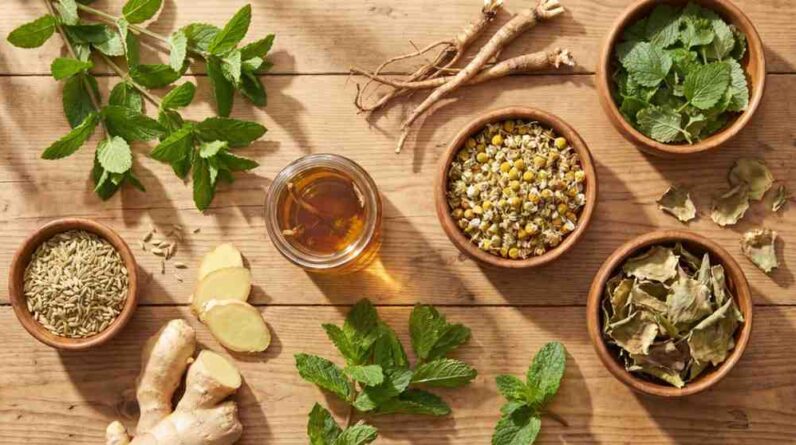
The most effective herbal remedies for bloating include peppermint, ginger, fennel, chamomile, and lemon balm. These herbs work by relaxing intestinal muscles, reducing gas buildup, and supporting healthy digestion. Peppermint oil is particularly well-studied for IBS-related abdominal distension, while fennel seeds help expel trapped gas quickly.
That tight, pressurised feeling after a meal or sometimes for no obvious reason at all is one of the most common digestive complaints people deal with daily. Bloating affects an estimated 10–30% of the general population, and for many people, it’s a recurring issue that disrupts comfort, confidence, and daily routine.
This guide covers eight well-researched herbal remedies for bloating. You’ll find out how each one works in the digestive tract, how to use them at home, and what to do when natural relief isn’t quite enough. Whether you’re dealing with occasional gas after eating or more persistent abdominal discomfort, herbal remedies for bloating offer a plant-based option worth trying.
This is written for adults who prefer natural approaches and want to understand why something works, not just what to take.
Why Your Stomach Gets Bloated (And Why Herbs Can Help)
Herbal remedies for bloating work best when you understand what’s causing the problem in the first place. Abdominal distension isn’t one single issue; it’s a symptom with several possible causes. Understanding what’s behind your abdominal discomfort makes it easier to pick the right herbal remedy rather than guessing.
Common Causes of Gas and Bloating
Excess gas in the digestive tract is usually the main culprit. Gas can come from swallowing air while eating or from fermentation of undigested food by bacteria in the large intestine. Common culprits include cruciferous vegetables (which contain raffinose, a fermentable sugar), dairy products for those with lactose intolerance, and high-fibre legumes.
Other common triggers include:
- Irritable bowel syndrome (IBS) — a functional gut condition where the intestines are hypersensitive to gas and movement
- Small intestinal bacterial overgrowth (SIBO) — excess bacteria in the small intestine causing fermentation higher up in the gut
- Constipation — slowed movement through the bowel lets gas accumulate
- Celiac disease — where gluten triggers an immune response that damages the small intestine
How Herbs Work on the Digestive Tract
Many herbs used to relieve bloating are classified as carminatives, meaning plants that help dispel intestinal gas and reduce spasm in the gut wall. They do this through volatile oils like menthol in peppermint or anethole in fennel. These compounds interact directly with smooth muscle in the digestive tract, reducing cramping and allowing gas to pass more freely.
Others work through anti-inflammatory properties that calm an irritated gut lining or by supporting bile production and enzyme activity that improves food breakdown before fermentation has a chance to occur.
The 8 Best Herbal Remedies for Bloating
1. Peppermint (Mentha piperita)
Peppermint is arguably the most evidence-backed herb for digestive bloating. Its active compound, L-menthol, relaxes the smooth muscle lining of the intestinal wall. Which is exactly what’s needed when trapped gas causes cramping and that tight, pressurised sensation.
A 2014 meta-analysis published in the Journal of Clinical Gastroenterology found that enteric-coated peppermint oil capsules significantly reduced abdominal pain and bloating in people with IBS compared to placebo. This makes it one of the few herbal remedies with proper clinical trial data behind it.
The tea form is a gentler, more accessible option for everyday use. It’s calming, warming, and most people find it easy to incorporate after meals. Oil capsules (enteric-coated) are better suited for more persistent stomach distension because they bypass the stomach and release in the small intestine, where they’re most needed.
One honest caveat: peppermint can relax the lower oesophageal sphincter, which may worsen acid reflux or heartburn in some people. If you experience both gas and reflux, start with a small amount of peppermint tea and monitor how you feel.
2. Ginger (Zingiber officinale)
Ginger has been used as a digestive aid across Asian and Ayurvedic traditions for thousands of years, and modern research is starting to explain why it works. Its key compounds, gingerols and shogaols, have demonstrated effects on gastrointestinal motility, meaning ginger helps food and gas move through the digestive system more efficiently.
A study in the European Journal of Gastroenterology & Hepatology found that ginger accelerated stomach emptying in healthy volunteers. A sluggish digestive system is one of the most common contributors to gas and abdominal fullness after eating.
Ginger tea is one of the easiest home remedies to prepare. Fresh ginger root simmered in hot water for 10 minutes produces a far more potent drink than commercial tea bags. Many people find that drinking a cup 20–30 minutes before a meal is more helpful than drinking it afterward when digestive discomfort is food-related.
It’s also worth considering if your abdominal pressure comes with nausea or diarrhea, as it addresses multiple digestive symptoms at once.
3. Fennel (Foeniculum vulgare)
Fennel is a classic bloat remedy across Mediterranean and South Asian cultures. The volatile oil anethole, along with fenchone and estragole, gives fennel its characteristic flavour and its carminative action. These compounds help relax intestinal muscles and allow trapped gas to pass.
Fennel seeds are particularly useful for the kind of abdominal fullness that builds up during or after meals, the kind associated with a distended abdomen and flatulence. Chewing half a teaspoon of fennel seeds after eating is one of the simplest home remedies for gas and fullness you can try, with no preparation required.
The tea form is the other popular option. Steep a teaspoon of crushed seeds in boiling water for 10 minutes. Fennel has a long history of use as a traditional carminative herb and remains one of the most widely used natural remedies for trapped gas and digestive discomfort.
Important note: Fennel contains phytoestrogen-like compounds, so pregnant women should consult their healthcare provider before using concentrated fennel supplements or teas. Culinary amounts used in food are generally considered safe.
4. Chamomile (Matricaria chamomilla)
Chamomile is best known as a calming bedtime tea, but its benefits extend well into the digestive system. It contains compounds like apigenin and bisabolol that have documented anti-inflammatory and antispasmodic properties, making chamomile useful for stomach distension tied to gut inflammation, IBS, or stress-triggered digestive trouble.
The gut-brain axis is real: stress and anxiety directly affect gut motility and sensitivity, and chamomile works on both ends. It eases muscle spasms in the intestinal wall while also reducing nervous tension that can contribute to gas and abdominal discomfort.
For gas-related discomfort accompanied by abdominal pain, a warm cup of chamomile tea after meals is a reliable home remedy. It’s gentle enough for daily use, widely available, and pairs well with other digestive herbs like lemon balm.
A limitation worth naming: chamomile is a member of the daisy family (Asteraceae). People with allergies to ragweed, chrysanthemums, or related plants may experience allergic reactions, so introduce it cautiously if you have known sensitivities.
5. Lemon Balm (Melissa officinalis)
Lemon balm is less talked about than peppermint or ginger, but it deserves more attention, especially for people whose abdominal discomfort is linked to stress, anxiety, or IBS. It belongs to the mint family and shares some of peppermint’s antispasmodic qualities, while also having a calming effect on the nervous system.
A clinical study published in Phytomedicine found that a lemon balm and peppermint combination significantly reduced abdominal pain, cramping, and nausea in patients with functional dyspepsia. The frequency and severity of abdominal distension dropped noticeably, too. The two herbs appear to work synergistically, which is why blended herbal teas often include both.
Lemon balm tea has a mild, citrusy flavour that most people find pleasant. It’s one of the easier herbal teas to drink daily without the strong taste profile of ginger or fennel. For digestive relief at home, steeping fresh or dried lemon balm leaves for 5–7 minutes produces a gentle but effective tea.
6. Dandelion Root (Taraxacum officinale)
Dandelion root works on bloating through a different mechanism than most of the herbs on this list. Rather than targeting gas directly, it has traditionally been used as a digestive bitter and mild diuretic. It may help support bile flow and digestive function, making it particularly useful for abdominal heaviness and bloating associated with sluggish digestion.
It’s particularly useful for abdominal heaviness that feels more like water retention than sharp gas pain. Dandelion root tea or tincture taken before meals can help prime the digestive system for food.
One thing to note: because dandelion root increases bile flow and diuretic activity, people taking diuretic medications or blood thinners should check with their GP before using it regularly.
7. Caraway (Carum carvi)
Caraway seeds are a time-tested herbal remedy for intestinal gas in European herbal medicine, particularly in German and Eastern European traditions. Like fennel, caraway contains volatile oils, principally carvone and limonene, that have well-established carminative effects.
A German clinical trial found that a combination of caraway oil and peppermint oil significantly reduced symptoms of functional dyspepsia, including bloating, fullness, and abdominal pain. Caraway seeds can be added to cooking (they’re common in rye bread and cabbage dishes for exactly this reason) or brewed as a tea.
8. Artichoke Leaf Extract (Cynara scolymus)
Artichoke leaf extract is one of the more underrated herbal remedies for digestive discomfort, particularly bloating that comes with a feeling of fullness, nausea, or sluggish digestion after meals. It is thought to support bile production, which may contribute to improved digestion, particularly after rich or fatty meals.
A randomised controlled trial published in Alimentary Pharmacology & Therapeutics found that artichoke leaf extract significantly reduced symptoms of functional dyspepsia, including abdominal fullness, flatulence, and nausea, compared to placebo. Participants took it for six weeks, suggesting it’s better suited to ongoing digestive support than quick, one-off relief.
It’s a particularly good fit if your digestive trouble tends to follow fatty meals, or if sluggish digestion is the pattern rather than acute gas. Artichoke leaf extract is widely available in capsule form.
(Prices vary — check current price for artichoke leaf extract capsules)
Herbal Remedies Comparison Table
| Herb | Best For | Form | Speed of Relief | Notes |
|---|---|---|---|---|
| Peppermint | IBS bloating, gas cramps | Tea, enteric capsule | 30–60 min | Avoid with acid reflux |
| Ginger | Post-meal bloating, nausea | Tea, capsule, fresh root | 20–45 min | Also helps motility |
| Fennel | Gas buildup, flatulence | Seeds, tea | 15–30 min | Avoid during pregnancy |
| Chamomile | Stress-related bloating, IBS | Tea | 30–60 min | Check for a daisy allergy |
| Lemon Balm | Stress + bloating combined | Tea, tincture | 30–60 min | Works well with peppermint |
| Dandelion Root | Heaviness, water retention | Tea, tincture | Ongoing use | Check with GP if on meds |
| Caraway | General gas, fullness | Seeds, tea, capsule | 30–60 min | Good in cooking too |
| Artichoke Leaf | Post-meal fullness, sluggish digestion | Capsule | Ongoing use | Best for fatty-meal bloating |
How to Use These Herbs at Home
Herbal Teas for Bloating
Herbal teas are the most accessible form for most people and a genuinely effective delivery method for these plant compounds. A few tips for getting the most out of them:
- Use loose herbs or high-quality tea bags — cheap tea bags often contain low-potency material with little therapeutic effect.
- Cover the cup while steeping — this traps the volatile oils (responsible for much of the carminative action) rather than letting them evaporate.
- Steep for 7–10 minutes — most digestive herbs need longer than the 2–3 minutes most people allow.
- Drink after or shortly before meals for best results with food-related bloating.
A simple blend that covers multiple angles: equal parts peppermint, chamomile, and lemon balm. This combination targets intestinal spasm, gut inflammation, and nervous tension simultaneously.
Tinctures, Capsules, and Oils
For more consistent or therapeutic use, tinctures and capsules often deliver more predictable amounts of the active compounds. Enteric-coated peppermint oil capsules are the gold standard for IBS-related bloating. They bypass the stomach and are released directly into the small intestine.
Tinctures (alcohol-based herbal extracts) are absorbed quickly and are convenient if you prefer not to prepare tea. A typical dose is 2–4ml in a small glass of water, 2–3 times daily.
When buying any herbal supplement, look for products that list standardised extracts on the label. This tells you the percentage of the key active compound, not just the weight of dried herb.
When Home Remedies Aren’t Enough
Herbal remedies can work well for occasional gas and bloating, mild IBS symptoms, and digestive discomfort with a plain food-related cause. But some underlying causes don’t respond to herbs and need proper investigation.
Signs of a More Serious Health Condition
See a doctor if your abdominal discomfort is accompanied by:
- Unexplained weight loss — this can indicate a more serious gastrointestinal health problem
- Blood in your stool or changes in bowel habits that persist for more than a few weeks
- Severe abdominal pain that comes on suddenly
- Vomiting alongside recurring digestive distress
- A family history of celiac disease, Crohn’s disease, or colorectal cancer
Persistent abdominal distension that doesn’t respond to dietary changes or herbal remedies may also be a sign of SIBO, which requires a specific breath test and often a course of antibiotics, along with probiotics and dietary changes, to resolve.
Frequently Asked Questions
What is the fastest herbal remedy for bloating?
Fennel seeds and peppermint tea tend to produce the fastest relief, often within 15–30 minutes. Chewing a small amount of fennel seeds immediately after eating is one of the quickest home remedies for gas and bloating because the volatile oils are released as soon as you chew. Peppermint tea is equally effective for cramping and spasm-type bloating.
Is peppermint tea good for a bloated stomach?
Yes, peppermint tea is one of the most consistently effective herbal teas for a bloated stomach. The menthol in peppermint relaxes smooth muscle in the gut wall, which helps release trapped gas and reduces the cramping that often comes with it. It’s best for gas-related bloating rather than water retention or bloating caused by constipation.
Can herbal remedies help with chronic bloating?
They can help manage symptoms, but chronic bloating usually has an underlying cause that needs to be identified. If you experience bloating relief at home but it keeps returning, it’s worth keeping a food and symptom diary to look for patterns. Herbs like dandelion root and ginger can support digestion long-term, but persistent bloating warrants a conversation with your GP to rule out conditions like IBS, SIBO, or celiac disease.
Are there herbal remedies safe to take every day for bloating?
Ginger tea, chamomile tea, and lemon balm tea are all well-tolerated for daily use by most adults. Peppermint tea is generally safe to use daily, though people with reflux should use it cautiously. Fennel in food quantities is fine daily; as a concentrated supplement or tea, it’s better used as needed. Artichoke leaf extract is generally used in 4–6-week courses for digestive support and is well tolerated by most adults.
What herbs help with bloating caused by IBS?
Peppermint oil (enteric-coated capsules) has the strongest evidence specifically for IBS-related bloating. It’s even mentioned in some clinical guidelines for functional gut disorders. Lemon balm and chamomile also show benefits for IBS symptoms by addressing both gut spasm and the nervous system component of IBS. A blend of peppermint and lemon balm has been studied clinically and found effective for reducing IBS-associated abdominal pain and bloating.
Which herb works fastest for trapped gas?
Fennel seeds are the fastest-acting trapped gas remedy in this list. Chewing half a teaspoon directly after eating releases its volatile oils immediately — most people notice relief within 15–20 minutes. Peppermint tea is a close second, particularly for gas that comes with cramping or spasm rather than simple pressure.
What tea is best for bloating and gas?
Peppermint tea is the best-researched herbal tea for bloating and gas — its active compound, L-menthol, relaxes the intestinal wall and helps trapped gas pass. For stress-related gas, a blend of peppermint and lemon balm works better than either herb alone. Fennel tea is the strongest option if the main symptom is flatulence and abdominal fullness after eating.
Is ginger or peppermint better for bloating?
It depends on the type. Peppermint is better for IBS-related bloating, cramping, and trapped gas. It works directly on the intestinal muscle. Ginger is better for bloating that comes with nausea, slow digestion, or a heavy feeling after meals, because it accelerates gastric emptying. If you’re unsure, ginger tea before a meal and peppermint tea after is a practical combination to try.
Can bloating go away naturally?
Yes, in most cases. Occasional gas and abdominal fullness resolve on their own as food moves through the digestive tract. Herbal remedies speed that process up. For recurring bloating, identifying food triggers, the common ones include lactose, gluten, cruciferous vegetables, and legumes, often resolves the pattern without any supplements. Persistent or severe bloating that doesn’t improve with dietary changes should be assessed by a doctor.
Final Thoughts
Abdominal discomfort and gas are frustrating — but herbal remedies for bloating represent one of the areas where plant medicine has a genuine, well-documented role. Peppermint, ginger, fennel, chamomile, and lemon balm are the core remedies worth having in your kitchen, and each brings something slightly different to the table.
Start with peppermint or ginger tea if you’re new to using herbs for digestion. Both are easy to find, easy to prepare, and back up their traditional reputations with reasonable clinical evidence.
If your digestive discomfort is persistent, severe, or accompanied by other symptoms, don’t rely only on herbal remedies for bloating. Get it properly assessed.
References
- Cash BD et al. A systematic review of the effects of peppermint oil on irritable bowel syndrome. Journal of Clinical Gastroenterology. 2014.
- Micklefield GH et al. Effects of ginger on gastroduodenal motility. European Journal of Gastroenterology & Hepatology. 1999.
- Madisch A et al. A plant extract and its modified preparation in functional dyspepsia. Phytomedicine. 2004.
- May B et al. Efficacy of a fixed peppermint oil/caraway oil combination in non-ulcer dyspepsia. Arzneimittelforschung. 1996.
- Holtmann G et al. Efficacy of artichoke leaf extract in the treatment of patients with functional dyspepsia. Alimentary Pharmacology & Therapeutics. 2003.
- National Center for Complementary and Integrative Health (NCCIH). Peppermint Oil: What You Need To Know. https://www.nccih.nih.gov/health/peppermint-oil
- National Center for Complementary and Integrative Health (NCCIH). Ginger. https://www.nccih.nih.gov/health/ginger
Disclaimer: This article is for educational purposes only and is not intended as medical advice. Always consult a qualified healthcare professional before using medicinal herbs, especially if you are pregnant, nursing, taking medications, or have a medical condition. Read our full Medical Disclaimer.
Disclosure: This article contains affiliate links. If you purchase through our links, we may earn a small commission at no extra cost to you.

Researches medicinal plants, herbal wellness, and sustainable gardening practices. Through Herbal Daily Care, she helps readers discover the benefits of growing and using herbs at home.