

Walk through any kitchen worth its salt and you will find a small army of healing herbs lined up on the counter — jars of rosemary, bundles of fresh thyme, a root of ginger sitting near the cutting board. People have been reaching for these plants since long before modern medicine had a name. From Chinese medicine to Ayurveda to the folk herbalists of rural Europe, everyday herbs have played a quiet but powerful role in nutrition and wellness across every culture on earth.
Today, interest in integrative health is growing fast. More people want to support their body and mind with practical, plant-based choices rather than relying solely on pills. That curiosity is healthy. But it also comes with a real question: which medicinal herbs are genuinely safe to use day after day, and which ones should you treat with more caution?
This guide walks through the best herbs for daily life, explains the surprising health benefits research has uncovered, and points out where the line between helpful and harmful can get blurry.
Disclaimer: This article is for educational purposes only and does not replace medical advice. Before adding medicinal herbs or herbal remedies to your routine, speak with your healthcare provider or a registered dietitian — especially if you are pregnant, managing a chronic condition, or taking prescription medication.
Understanding Everyday Herbs and How They Work
An herb, in the broadest sense, is any plant valued for its flavor, fragrance, or therapeutic properties. What makes herbs and spices so interesting from a science perspective is the bioactive compounds they contain — molecules like flavonoids, polyphenols, and volatile oils that interact with the body in measurable ways.
These compounds sit at the heart of holistic health traditions. Chinese medicine has catalogued their effects for over two thousand years. Modern researchers are now catching up, running clinical trials on everything from chamomile tea and its effect on the nervous system to curcumin’s role in managing chronic inflammation.
One important distinction is worth making upfront:
| Form | Concentration | Everyday Safety |
|---|---|---|
| Fresh or dried in food/tea | Low | High for most healthy adults |
| Liquid extract or tincture | Medium | Use with awareness |
| Capsule or standardized powder | High | Consult a healthcare provider |
A cup of chamomile tea contains a relatively modest amount of active compounds. A high-dose herbal capsule is a different story. This guide focuses on herbs used in normal cooking or light herbal teas, the form with the strongest safety record and the fewest risks of interactions or side effects.
The Best Herbs That Are Generally Safe for Daily Use
Chamomile
Few plants have earned as loyal a following as chamomile. Its small, daisy-like flowers have been brewed into calming chamomile tea for centuries, and modern studies have confirmed what traditional healers long suspected: this herb genuinely earns its reputation.
Chamomile’s primary active compounds are flavonoids, particularly apigenin, which binds to receptors in the brain that promote relaxation. A warm cup of chamomile tea in the evening can ease tension, soothe a restless nervous system, and support deeper sleep. It is also used to support digestion and calm cramping or bloating. For most people, chamomile is generally considered safe as a daily tea. The one caveat: if you have known allergies to ragweed or other plants in the aster family, introduce it cautiously.
Chamomile is one of the most popular herbs for daily use. Learn more about the many benefits of chamomile, including sleep, stress, digestive, and skin support.
One of the easiest ways to enjoy chamomile is as a tea. Follow our step-by-step guide on how to make chamomile tea at home using fresh or dried flowers.
Peppermint
Peppermint belongs to the mint family and is one of the most widely consumed herbal teas in the world. Its characteristic cooling sensation comes from menthol, a bioactive compound that relaxes smooth muscle tissue in the digestive tract. That mechanism makes it particularly useful after heavy meals — it can ease bloating, reduce gas, and soothe stomach discomfort.
Beyond gut health, peppermint tea offers a gentle sense of relaxation and mental clarity. It is a straightforward, low-risk herb for daily use. One note: people with frequent acid reflux should use it sparingly, since relaxing the lower esophageal sphincter may worsen heartburn in some cases.
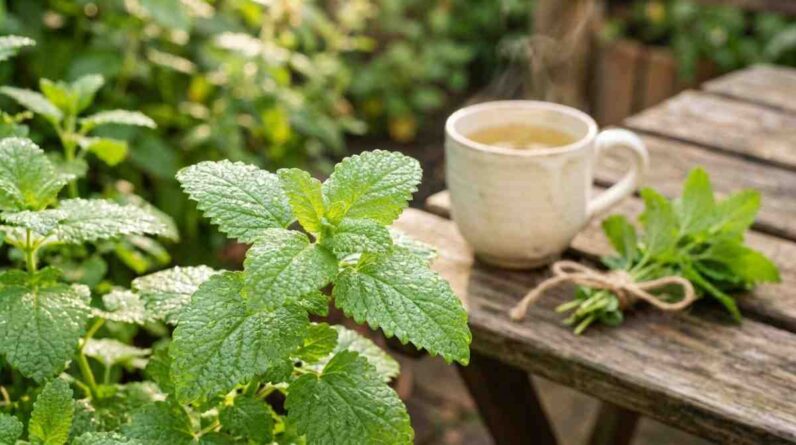
Lemon Balm
Lemon balm is another member of the mint family with a mild citrus scent and a long history in herbal medicine. It is most often used to address anxiety and depression, ease nervous tension, and quiet an overactive mind. Its gentle profile makes it one of the more approachable healing herbs for people who are new to botanical wellness.
You can drink lemon balm as a simple tea or find it as a tincture. Either way, it works best as a daily ritual. A few minutes of stillness with a warm mug can do as much as the herb itself.
Ginger
Ginger is one of the most researched and respected plants in both Chinese medicine and modern nutrition science. The root contains gingerols and shogaols compounds with well-documented anti-inflammatory and antimicrobial properties. Those anti-inflammatory effects are part of why ginger has become a staple in conversations about gut health, joint comfort, and overall wellness.
For everyday use, ginger is remarkably versatile. Grate a small knob into hot water with a squeeze of lemon juice for a bracing morning tea. Add it to soups, stir-fries, or smoothies. Eaten in normal cooking amounts, it is considered safe for daily consumption and has a long track record in traditional herbal medicine with very few adverse effects in healthy adults.
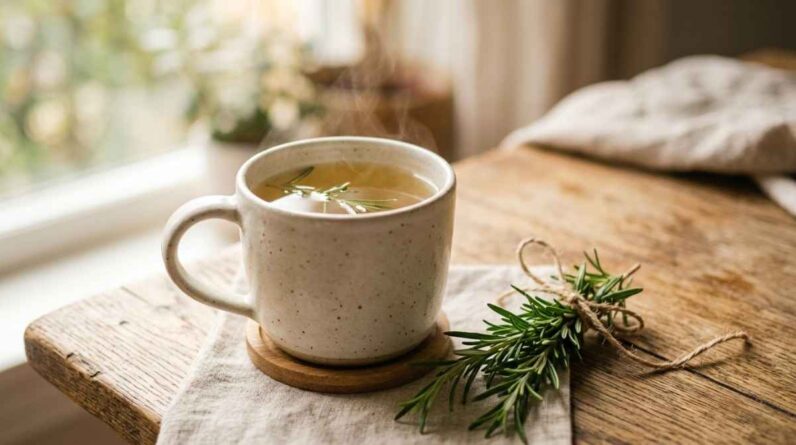
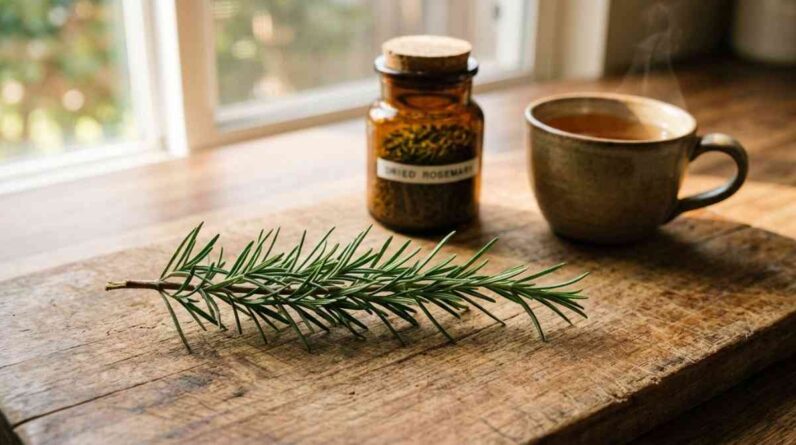
Rosemary
Rosemary is a fragrant, needle-leafed shrub native to the Mediterranean. In the kitchen, it adds depth to roasted vegetables, grilled meats, and salad dressing. In the body, it does something even more interesting.
Rosemary contains rosmarinic acid and a range of antioxidants that scientists have linked to brain health and cognitive support. Some studies suggest regular consumption may help with memory and mental sharpness. It is also one of the richest sources of antioxidant compounds among common culinary herbs. Which is a good reason to use it liberally in daily cooking rather than reserving it for special occasions.
Holy Basil (Tulsi)
Holy basil, known in Ayurvedic traditions as Tulsi, is a cornerstone of integrative health in South Asia. Unlike sweet culinary basil, Tulsi is classified as an adaptogen, a plant that helps the body and mind respond to stress more effectively over time.
Daily Tulsi tea is a popular practice for supporting immune function, easing low-grade anxiety, and protecting cells from oxidative damage. It is generally considered safe for most healthy adults. One or two cups a day is a reasonable starting point.
Garlic
Garlic is arguably the most clinically studied culinary herb in existence, and the evidence for its benefits is genuinely compelling. Its antiviral and antiseptic properties have made it a go-to in folk remedies for the common cold for generations. Modern research has validated those uses and added more to the list.
Garlic is particularly notable for heart health. Regular intake has been associated with modest but meaningful reductions in blood pressure and improvements in cholesterol levels. These effects are relevant because cardiovascular disease remains a leading cause of death globally, and even small contributions from dietary choices add up over time. Adding a fresh clove to your dinner, crushed or minced is one of the simplest ways to support lowering blood pressure naturally through food.
Turmeric
Turmeric is a golden-orange root closely related to ginger, and its primary bioactive compound, curcumin, has attracted more scientific attention than almost any other plant molecule in recent years. The research on curcumin’s anti-inflammatory effects is extensive, and while bioavailability remains a challenge (pairing turmeric with black pepper significantly improves absorption), its presence in the daily diet is well worth prioritizing.
Beyond its anti-inflammatory role, turmeric is associated with heart health support and may help with blood sugar levels when eaten as part of a balanced diet. A teaspoon stirred into soups, rice dishes, or warm milk (often called golden milk) is a practical and flavorful way to make this a daily habit.
These herbs have earned their popularity because they’re easy to use, widely available, and are among the best herbs to start with for health for most beginners.
Culinary Herbs Worth Using Every Day
The spice rack sitting in most kitchens is genuinely underestimated as a source of plant medicine. These herbs and spices add flavor to food while delivering a meaningful dose of vitamins and minerals and protective plant compounds.
Thyme — Fresh thyme and dried thyme both contain potent antimicrobial compounds. It has been used in herbal medicine for respiratory complaints, including upper respiratory infections and asthma, and thyme tea made from fresh thyme is a traditional remedy for chest congestion.
Oregano — One of the more powerful antimicrobial herbs in the kitchen, oregano supports gut health and immune function. Its oil is even more concentrated, though that form warrants more caution.
Parsley — Fresh parsley goes far beyond garnish. It is dense in vitamins C and K, supports kidney function by acting as a mild diuretic, and contributes to wound healing through its role in tissue repair. A small handful of fresh parsley added to a salad or grain bowl is an easy daily addition.
Sage — A deeply fragrant herb with an earthy complexity, sage is rich in antioxidants that have been studied for their connection to brain health and memory. It is especially good in butter-based sauces or roasted with root vegetables.
Coriander — Whether used as fresh cilantro leaves or dried coriander seeds, this herb supports healthy digestion and adds a bright, citrusy antioxidant hit to meals.
A single teaspoon of dried herbs or a small handful of their fresh equivalents daily is safe, practical, and a smarter approach to nutrition and wellness than most supplements.
What the Research Actually Shows
The scientific literature on specific herbs has grown substantially over the past two decades. A few findings stand out as particularly relevant for people thinking about daily use.
The bioactive compounds in plants like turmeric, ginger, and rosemary work primarily by interrupting inflammatory signaling pathways in the body. Chronic, low-grade inflammation is increasingly recognized as a driver of cardiovascular disease, metabolic dysfunction, and cognitive decline. Herbs that help reduce inflammation are, in that sense, addressing a root mechanism rather than just managing symptoms.
Garlic’s ability to reduce blood pressure and improve cholesterol levels has been replicated across multiple studies, though effects are modest and consistent use is required. Ginger’s influence on gut health operates through a different mechanism — it accelerates gastric emptying, which improves digestion and reduces nausea. Turmeric’s curcumin has shown promise for supporting stable blood sugar levels after meals, an effect relevant to anyone managing metabolic health.
None of these plants are cures. But used consistently as part of a varied, plant-based diet, they contribute meaningfully to the body’s own repair and defense systems.
Herbs That Are Not Safe for Everyday Use

The natural origin of a plant does not make it safe to use indefinitely. Some medicinal herbs are effective precisely because they are potent — and that potency means they can cause real harm when used daily without medical supervision.
Licorice Root — Effective short-term for soothing sore throats and upper respiratory discomfort, but chronic use depletes potassium and can raise blood pressure significantly.
St. John’s Wort — Widely used for mood support, but it is a serious inducer of liver enzymes that process medications. It can reduce the effectiveness of birth control, blood thinners, and heart medications. This is not a casual herb.
Kava — A powerful sedative used for anxiety and relaxation in Pacific Island cultures. Long-term or heavy use has been linked to liver disease and non-alcoholic fatty liver disease. Not appropriate for everyday use.
Valerian — A strong natural sedative that acts on the nervous system. It can be useful for short-term sleep support, but daily use without breaks is not advisable, and it may cause side effects including grogginess and dependence over time.
Tips for Using Herbs Wisely
Start with food, not supplements. Culinary herbs eaten in normal cooking amounts have the safest profile. Build a habit around flavor before reaching for capsules.
Rotate your herbal teas. Drinking the same herbal tea daily for months is less ideal than cycling through a few. Different plants offer different benefits, and rotation reduces the risk of accumulating any single compound.
Pay attention to your body. If an herb causes headaches, stomach upset, or a rash, stop using it. Your unique health history matters more than any general safety rating.
Quality counts. Look for organic herbs stored in airtight containers away from direct sunlight. Cheap, poorly stored herbs lose their potency and can carry contaminants.
Ask before combining. If you take any prescription medication, run your herbal choices past your healthcare provider. Even culinary herbs like garlic in large amounts may interact with blood thinners.
Frequently Asked Questions
Can I drink herbal tea every day? Yes — chamomile tea, peppermint, ginger tea, and Tulsi are all reasonable daily options. Rotating between them is a smart practice.
What is the safest herb for daily use? Culinary staples like ginger, garlic, rosemary, and thyme rank among the safest. They have centuries of use in herbal medicine and a strong modern safety record when consumed in cooking amounts.
Can herbs interact with my prescriptions? Yes. St. John’s Wort is the most well-known example, but high-dose garlic, ginkgo, and several other plants can affect how medications work. Always check with your healthcare provider.
Are fresh or dried herbs better? Both are valuable. Fresh herbs tend to have more volatile aromatic compounds. Dried herbs are more concentrated, so you need less, roughly one teaspoon of dried equals a tablespoon of fresh in most recipes.
Is Tulsi safe to drink every day? For most healthy adults, one to two cups of Tulsi tea daily is generally considered safe and may support stress resilience and overall well-being.
Conclusion
Chamomile, peppermint, lemon balm, ginger, rosemary, holy basil, garlic, and turmeric are not exotic or difficult-to-find plants. Most of them are already in your kitchen. Used thoughtfully as food, tea, and simple herbal remedies, they represent one of the more practical and evidence-supported approaches to everyday wellness available.
Thoughtfully is the operative word here. Everyday herbs work best as part of a varied diet, not treated as magic bullets. The healthiest herbs are often the ones already sitting in the kitchen cupboard. A cup of chamomile tea before bed, fresh rosemary on roasted vegetables, or ginger in your morning tea may seem small, but those habits add up over time. Use herbs to add flavor to food, to enjoy a quiet cup of herbal tea in the evening, to support your body’s natural systems over time. That is what herbal medicine, in both Chinese medicine and holistic health traditions, has always been about.
When in doubt, talk to your healthcare provider or a registered dietitian. Plants are powerful. Treat them with the same respect you would any other tool for your health.
New to herbal wellness? Our guide to the best medicinal herbs for beginners introduces easy-to-grow and easy-to-use herbs for everyday health.
References: National Center for Complementary and Integrative Health (NCCIH); American Herbal Products Association Botanical Safety Handbook; European Medicines Agency Herbal Monographs; WHO Monographs on Selected Medicinal Plants; PubMed clinical literature on chamomile, ginger, garlic, turmeric, rosemary, and peppermint.

Researches medicinal plants, herbal wellness, and sustainable gardening practices. Through Herbal Daily Care, she helps readers discover the benefits of growing and using herbs at home.