



XenBurn Side Effects: What Should You Know Before You Try the Patch?
Quick answer
XenBurn side effects haven’t been documented in any independent study, so what you should know comes from the patch category and its ingredients. The most likely problem is skin irritation under the adhesive. Body-wide effects look unlikely at label amounts but remain unmeasured. Ask a clinician first if you take medication.
Contents
What XenBurn Is and Why Its Side Effects Are Hard to Pin Down
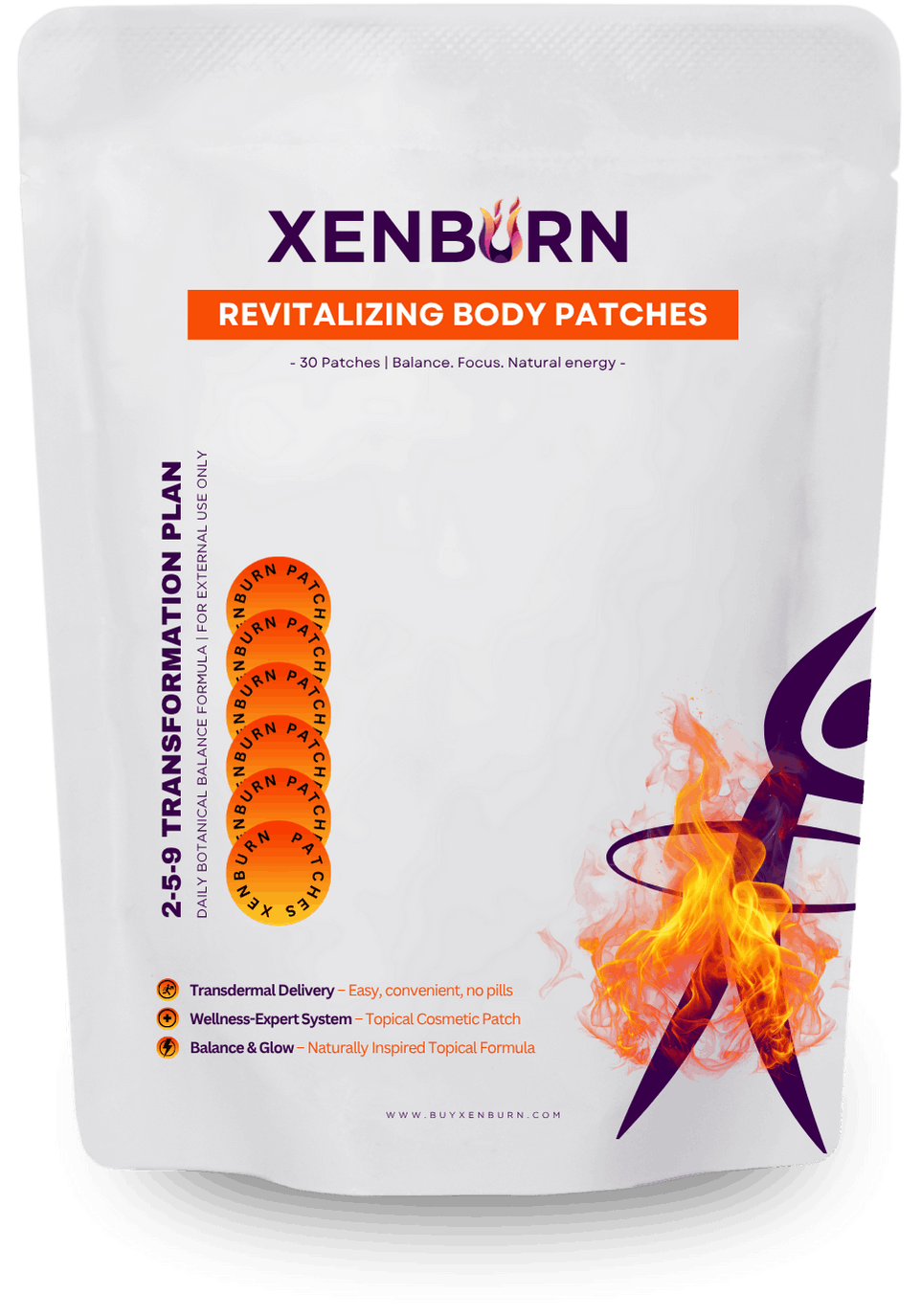
XenBurn is a once-daily adhesive patch marketed for weight management and energy support, and its packaging calls it a topical cosmetic patch for external use only. You press one onto clean, dry skin, wear it up to 24 hours, then replace it. That format shapes almost everything about its likely side effects.
Here’s the catch. No independent trial of the finished patch turned up, and the ingredient list changes depending on the source. One label analysis lists ten ingredients with amounts, while a July 2026 review counted six and said only two, caffeine and quercetin, carried a stated per-patch amount. When even the formula is disputed, nobody can honestly promise a clean safety record.
This page sticks to safety. For the evidence on whether the patch works, plus pricing and the ingredient dose comparison, read our full XenBurn review.
What Side Effects Have Been Reported So Far?
We couldn’t find a single independent adverse event report that names XenBurn. The July 2026 review said it located no complaint data on a platform where complaints can be checked, and none of the testimonials we read mention a reaction.
That silence cuts both ways. It may mean few people have had trouble, or it may mean people don’t know where to report, or that the pages we saw are curated by sellers. Cosmetics don’t have to prove safety before they go on sale, so a quiet record isn’t the same as a clean one.
So we’re working from two checkable things: what happens with adhesive patches in general, and what’s documented for each ingredient. That’s less satisfying than real-world data, and we’ll flag every spot where we’re inferring.
Skin Reactions: The Most Likely XenBurn Side Effects
Skin irritation is the side effect to expect first, because any adhesive patch holds material against the same patch of skin for hours. A review of prescription patches found redness or itching in 20% to 50% of patients, usually mild and gone within several days of removal. Those figures come from medicated patches, not XenBurn, so read them as a reference point rather than a forecast.
The brand’s own guidance, as described in the label analysis, accepts that irritation can happen and says to stop use if it does. Long wear adds to the odds. A 24-hour patch traps sweat, and blocked sweat ducts are a documented cause of irritation, so hot days and workouts may be when you notice trouble first.
Two kinds of reaction show up. Irritant contact dermatitis is the common one, and it can come from the adhesive, friction, blocked sweat ducts, or soap and lotion residue. Allergic contact dermatitis is rarer and more serious, and it develops after the immune system learns to react to the adhesive or an ingredient. Repeated placement and occlusion make sensitization more likely.
One ingredient deserves a note. Alpha-lipoic acid, listed at 2 mg per patch, has caused burning, stinging, rash, and contact dermatitis when applied to skin in other products. In an Italian review of supplement reports, skin disorders made up about 45% of the reactions tied to alpha-lipoic acid products, though most of those were oral supplements. Whether a 2 mg patch triggers any of that is unknown.
| What you notice | What it may be | Sensible next step |
|---|---|---|
| Mild redness or itching under the patch that fades after removal | Irritant contact dermatitis | Rotate sites, remove the patch slowly, and keep lotion off that spot |
| Rash spreading past the patch edge, blisters, oozing, or itching that keeps getting worse | Possible allergic contact dermatitis | Stop using it and have a clinician look at the skin |
| Hives, facial swelling, wheezing, or trouble breathing | Possible severe allergic reaction | Remove the patch and seek emergency care |
Ingredient-by-Ingredient Side Effect Check
XenBurn’s label amounts are small, so most oral supplement warnings don’t transfer directly. Still, the ingredient literature tells you what to raise with a pharmacist. The table pairs each ingredient with its label amount and the documented concerns, most of which come from oral use.
| Ingredient | Label amount | Documented concerns (mostly oral) |
|---|---|---|
| Coleus forskohlii extract | 2 mg | Theoretical interactions with blood thinners such as aspirin and with some bronchodilators |
| L-Arginine | 5 mg | Nausea, bloating, headache, allergic response, and worse asthma when taken orally; possible low blood pressure with blood pressure drugs. Mayo Clinic calls topical use generally safe |
| Caffeine | 2 mg | Jitters, headache, and poor sleep at high intakes; about 400 mg a day is the usual adult ceiling |
| Alpha-lipoic acid | 2 mg | Topical irritation and rash; oral case reports of insulin autoimmune syndrome; possible low blood sugar with diabetes drugs |
| Coenzyme Q10 | 0.5 mg | Possible weaker warfarin effect and extra blood pressure lowering, from oral use |
| Quercetin, glutamine, methionine, pterostilbene | 2 mg, 4 mg, 4 mg, 0.5 mg | No patch-relevant safety source found |
Label amounts come from the published label analysis, and a separate review says only two amounts are stated, so confirm them on your pouch.
How much do those numbers matter?
Take caffeine. The label’s 2 mg is about 0.5% of the 400 mg adult ceiling and roughly 2% of a typical cup of coffee. Arginine, forskolin, and coenzyme Q10 also sit at tiny fractions of the amounts behind their oral warnings.
Two caveats apply. Nobody knows how much of any ingredient actually crosses the skin, because the outer layer limits passive absorption and XenBurn’s uptake hasn’t been measured. And people with allergies can react to very small amounts. Our reading: body-wide effects look unlikely, the skin is the main risk, and anyone on an interacting medicine should ask first.
Who Should Talk to a Doctor Before Using XenBurn
These groups have a specific reason to ask a healthcare provider or pharmacist before putting a XenBurn patch on.
- You take a blood thinner, daily aspirin, or a blood pressure medicine, because several ingredients carry oral interaction warnings.
- Diabetes medicine is part of your routine, since alpha-lipoic acid may lower blood sugar when taken orally.
- Asthma or serious allergies are a concern, because oral arginine can worsen them.
- Your skin has a history of eczema, psoriasis, dermatitis, or reactions to adhesive bandages.
- You’re pregnant, nursing, or under 18, since the label describes it as an adult product.
- Surgery is scheduled; the label reportedly advises stopping at least two weeks beforehand.
Don’t change or stop any prescribed medicine because of a patch. Ask the person who prescribed it.
When to Stop Using XenBurn and How to Report a Problem
Remove the patch and get medical care right away for blistering, swelling, hives, breathing trouble, or fainting. Stop using it and seek advice if a rash spreads, keeps itching, or hangs on for more than a few days after the patch comes off.
Then report it. The FDA accepts consumer reports of rashes, irritation, and allergic reactions to cosmetic products through MedWatch, and you can also call its food and cosmetics information line. Photograph the skin, keep the pouch and lot number, and email XenBurn’s customer support so there’s a written record. Reports help regulators spot patterns that no single review can, and they may help the next buyer.
How to Lower Your Risk of XenBurn Side Effects
You can’t remove the risk, but a few habits cut down the most likely problem, skin irritation. Follow the label first, then add these.
- Patch test first: wear one patch on a small area for a day before you commit to a routine.
- Start with clean, dry skin and no lotion or oil, because residue can irritate.
- Rotate the site every day so the same skin isn’t covered two days running.
- Peel the patch off slowly while holding the skin down, since rough removal can damage it.
- Wear one patch at a time, for no more than 24 hours.
- Keep a short log of start date, placement, and any change, so a pattern is easy to spot.
What XenBurn Customers Say About Side Effects
The vendor website features additional customer testimonials describing experiences such as feeling more energized, noticing changes in appetite, and finding the patch convenient to use. These testimonials are personal experiences shared on a marketing page and are not independent evidence of safety or effectiveness.
Some customers describe feeling more energized while using the patch.
Customer testimonial themes shown on the vendor website.
Other customers describe the patch as convenient and easy to include in their daily routine.
Customer testimonial themes shown on the vendor website.
These testimonials are individual experiences and cannot establish how typical the results are or whether the patch causes the reported effects. They also do not provide independent evidence about side effects.
Is XenBurn Safe? What the Label and Regulators Say
No independent study or regulator that we could find has established XenBurn’s safety. Its packaging calls it a cosmetic, and the FDA says cosmetics need no approval before sale but must be safe when used as directed. The July 2026 review found no FDA clearance or approval in the materials it checked.
That leaves a gap, because a cosmetic-labeled patch pitched for weight management doesn’t tell readers which safety standards were tested. Ask the company for its safety substantiation in writing, and treat a slow or vague answer as information. For how the ingredients stack up on effectiveness, see the evidence section of our XenBurn review.
Refund Terms Matter More If You React
A skin reaction is exactly why many buyers want their money back, so the return rules deserve a look before you order. One published policy describes a 60-day money-back guarantee, while other pages say 90 days, so verify the number at checkout. The reported conditions are strict: all pouches unopened, an email to customer support first, and return shipping at your cost.
That combination matters here. If you open a pouch and react, a policy that refuses partial returns could leave you holding unused pouches you can’t send back. Ask support in writing how a reaction case is handled, and consider the smallest plan. Prices vary, so confirm current price and terms at checkout.

Final Verdict
XenBurn’s side effect picture is mostly about your skin, not the rest of your body. Irritation from the adhesive is the realistic risk, ingredient interactions are theoretical at label amounts, and independent safety data doesn’t exist yet. If you decide to try it, patch test first, check with a pharmacist if you take medication, and get the refund terms in writing.
Frequently Asked Questions
What are the side effects of XenBurn?
No independent study has documented XenBurn side effects. The most likely problem is skin irritation such as redness or itching under the adhesive patch, based on how patches behave in general. Ingredient interactions are theoretical at the small label amounts, so anyone taking medication should ask a pharmacist first.
Can XenBurn cause a skin rash?
Yes, it can, as any adhesive patch can. Irritant contact dermatitis is the most common cause, and allergic contact dermatitis is rarer. Stop using the patch and have a clinician look at any rash that spreads past the patch edge, blisters, oozes, or keeps worsening.
Does XenBurn interact with medications?
No interaction study exists for the finished patch. Ingredients such as coleus forskohlii, L-arginine, alpha-lipoic acid and coenzyme Q10 have oral interaction warnings involving blood thinners, blood pressure medicines and diabetes drugs. Ask a pharmacist before use, and never change prescribed medication because of a patch.
Is XenBurn safe during pregnancy or breastfeeding?
Safety during pregnancy or breastfeeding hasn’t been established. The label describes the patch as an adult product, and no study covers these groups. Anyone pregnant or nursing should get a healthcare provider’s advice before trying any wellness patch.
How do I report a bad reaction to XenBurn?
Remove the patch, get medical care if the reaction is serious, and photograph the skin. You can report a cosmetic reaction to the FDA through its MedWatch reporting form or its food and cosmetics information line. Also email the company’s customer support so a written record exists.
How long do XenBurn side effects last?
No data exists for XenBurn itself. In reviews of prescription patches, redness and itching usually faded within several days after removal. If skin symptoms last longer than that, or get worse, stop using the patch and see a clinician.
Conclusion
XenBurn side effects are poorly documented, so the honest answer is to plan for the likely ones. Expect skin irritation to be the main risk, treat ingredient interactions as a reason to ask a pharmacist, and stop at the first sign of a spreading rash or swelling. Report any real reaction to the FDA and to the company, and keep your refund rights in mind before opening every pouch.
References
- Access Newswire (advertorial), “XenBurn Patch: Complete Label Analysis and Ingredient Breakdown for 2026 Buyers,” Dec 17, 2025. Used for label facts only, not safety or efficacy. www.accessnewswire.com
- Barchart (paid advertorial), “XenBurn Reviews and Complaints 2026,” Jul 16, 2026. Used for ingredient-count, complaint-data and refund-conflict notes. www.barchart.com
- eng-en-xenburn.com, brand-style marketing page (testimonial source). eng-en-xenburn.com
- xenbburn.com, page presenting itself as an official website (reviewed for side effect mentions; no testimonial quoted here). xenbburn.com
- Freedom IV Wellness, “XenBurn Reviews,” Dec 23, 2025 (affiliate-style page; testimonial source). www.freedomivwellness.com
- Ale I, Lachapelle JM, Maibach HI. Skin tolerability associated with transdermal drug delivery systems: an overview. Advances in Therapy, 2009;26(10):920-935. pubmed.ncbi.nlm.nih.gov
- Romita P, Foti C, Calogiuri G, et al. Contact dermatitis due to transdermal therapeutic systems: a clinical update. Acta Biomedica, 2018;90(1):5-10. pmc.ncbi.nlm.nih.gov
- MDedge. Transdermal patches: benefits may outweigh risks (report on a literature review presented at the American Association for Geriatric Psychiatry meeting). www.mdedge.com
- Natural Medicines. Alpha-lipoic acid monograph (topical irritation, contact dermatitis, oral case reports). naturalmedicines.therapeuticresearch.com
- Assessment of adverse reactions to alpha-lipoic acid containing dietary supplements through spontaneous reporting systems (Italian Phytovigilance System and WHO-VigiBase). pubmed.ncbi.nlm.nih.gov
- Mayo Clinic. L-arginine (drugs and supplements): safety, side effects and interactions. www.mayoclinic.org
- University of Michigan Health. Coleus for weight control (interactions). uofmhealth.org
- HelloPharmacist. Coenzyme Q10 interactions overview (warfarin and blood pressure medicines). hellopharmacist.com
- Mayo Clinic Staff. Caffeine: how much is too much? mayoclinic.org
- MD Anderson Cancer Center. How much caffeine is too much? (typical coffee caffeine range). www.mdanderson.org
- Transdermal drug delivery systems: methods for enhancing skin permeability and their evaluation. Pharmaceutics, 2025. www.ncbi.nlm.nih.gov
- U.S. FDA. Wrinkle treatments and other anti-aging products (cosmetic safety rules). www.fda.gov
- U.S. FDA. How to report a cosmetic product related complaint. www.fda.gov

Written by cskoch, who researches medicinal plants and herbal wellness at Herbal Daily Care. This guide is research-based: we reviewed published trials, meta-analyses, and the manufacturer’s own sales page. We did not purchase or test the product, and we do not claim first-hand results.