

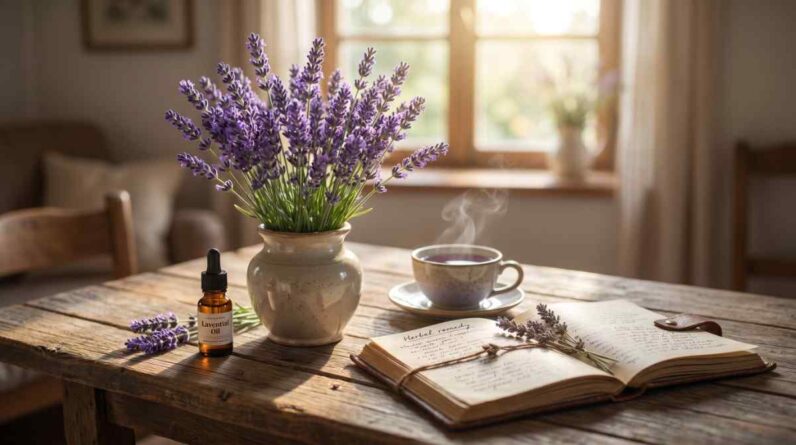
Lavender: Medicinal Uses and Benefits
Most people tuck a lavender sachet in a drawer and call it aromatherapy, but the medicinal uses of lavender go back over 2,500 years, and modern science is finally catching up to what traditional healers have long known.
Lavender is one of the most studied herbs in the world. Research has examined its effects on the nervous system, skin, pain, and bacteria. This article breaks down what the evidence actually shows, which forms work best for each condition, and how to use them safely at home, without the fluff.
Quick Answer: What Are the Medicinal Uses of Lavender?
Lavandula angustifolia (English lavender) has been used medicinally to reduce anxiety, improve sleep, relieve headaches, soothe skin, and ease mild pain. Its active compounds act on the nervous system and carry antimicrobial and anti-inflammatory properties. It can be taken as an essential oil, tea, capsule, or topical remedy.
Research Snapshot
Current research suggests lavender may help:
✓ Mild to moderate anxiety
✓ Sleep quality
✓ Migraine symptoms
✓ Minor skin irritation
✓ Menstrual discomfort
Research remains limited for:
✗ Severe depression
✗ Major insomnia disorders
✗ Serious infections
✗ Chronic pain conditions
The Science Behind Lavender’s Healing Power
The plant has a measurable chemical profile that explains why it works the way it does. Most of its effects trace back to two key compounds.
Lavender Species Matter
Not all lavender is the same. The species most commonly studied for medicinal purposes is Lavandula angustifolia (English lavender). Other varieties, such as Lavandula x intermedia (Lavandin), may contain different levels of active compounds and may not produce identical therapeutic effects. When buying products for medicinal use, check that the species is clearly labelled. For a broader look at what herbs are safe for everyday use, including lavender, see our full guide.
Key Compounds: Linalool and Linalyl Acetate
Linalool is the primary active compound, comprising roughly 25–45% of lavender essential oil. Research shows it acts directly on the central nervous system, producing sedative and anxiolytic effects without the dependency risks of pharmaceutical drugs. Linalyl acetate, the second major compound, adds anti-inflammatory and mild pain-relieving properties.
A 2014 review in Evidence-Based Complementary and Alternative Medicine found that the oil may inhibit glutamate receptors in the brain. The same pathways are targeted by some prescription anti-anxiety medications. This helps explain why the calming effect goes beyond a pleasant scent.
How It Works in the Body
The mechanism changes depending on how lavender enters the body. Inhaled, linalool reaches the brain quickly through the olfactory nerve, and effects can appear within minutes. Applied to the skin, the oil is absorbed transdermally and enters circulation more gradually. Taken orally in a standardised capsule, it passes through digestion and produces a slower but more sustained effect. Knowing which route to use matters as much as knowing the benefit itself.
Evidence Strength at a Glance
| Use | Evidence Level |
|---|---|
| Anxiety | Strong |
| Sleep | Moderate |
| Headaches | Moderate |
| Skin Healing | Moderate |
| Menstrual Pain | Moderate |
| Digestion | Limited |
Top Health Benefits
Anxiety and Stress
This is where the evidence is strongest. Multiple clinical trials confirm that both inhaled and oral lavender preparations reduce anxiety significantly.
Silexan, a standardised oral lavender oil at 80 mg per day, was studied in a 2014 double-blind trial published in Phytomedicine. Researchers found it reduced generalised anxiety as effectively as lorazepam, a common benzodiazepine, without dependence risk. Results appeared within two weeks of daily use.
For everyday stress, using the oil in a diffuser for 15 to 30 minutes is well supported. The calming effect is typically noticeable within 10 to 15 minutes, a genuine shift in tension, distinct from simple relaxation.
Lavender may modulate GABA receptors in the nervous system, the same calming pathway targeted by anti-anxiety drugs, but with a gentler, dependency-free action.
Sleep and Insomnia
Poor sleep and anxiety often go together, which is partly why the herb benefits both. Research shows that aromatherapy at bedtime improves sleep quality, reduces nighttime waking, and increases time in deep sleep stages.
A 2015 study in the Journal of Alternative and Complementary Medicine found that inhaled lavender essential oil significantly improved sleep quality over two weeks compared to placebo, with no reported side effects. The benefit was strongest when applied each night consistently.
A practical approach: place 2 to 3 drops on a tissue near your pillow, or run a bedside diffuser for 30 minutes before settling in. Simple, low-cost, and easy to build into a nightly routine. Chamomile is another herb with strong sleep evidence. See Benefits of Chamomile for a comparison
Headaches and Migraines
The use of lavender for headaches goes back centuries, and clinical evidence now supports it. A 2012 trial in European Neurology found that inhaled oil reduced pain severity in migraine patients, with nearly 75% reporting meaningful relief after just 15 minutes of inhalation.
For tension headaches, the most effective approach combines inhalation with topical application. Dilute 2 to 3 drops in a teaspoon of carrier oil and massage gently into the temples and base of the skull. The scent inhaled during the massage adds a second calming channel through the nervous system.
Combining topical massage with inhalation is more effective for headaches than inhalation alone. The dual action, absorption through skin and the scent pathway simultaneously gives faster and more sustained results.
Skin and Wound Healing
Lavender is well documented for antimicrobial and skin-healing properties. Lab studies show that the oil inhibits the growth of Staphylococcus aureus and Escherichia coli, two common bacteria behind minor skin infections. Applying it in diluted form to minor cuts and burns is a practice used medicinally for generations.
A 2016 study found that topical application promoted faster wound closure through increased collagen synthesis. While large-scale human trials are limited, the antimicrobial evidence for topical use is solid at proper dilutions.
For minor burns or insect bites, a 1 to 2% solution of aloe vera gel makes a practical home remedy. Apply after the skin has cooled. Do not apply the oil directly to broken or actively bleeding skin.
Pain and Inflammation
Linalyl acetate gives lavender measurable anti-inflammatory properties. A 2012 study in the Iranian Journal of Nursing and Midwifery Research found that inhaled oil significantly reduced menstrual pain intensity in the first days of menstruation.
For muscle soreness, a massage blend in a neutral carrier reduces inflammation and improves local circulation. Adding warmth amplifies the effect considerably, and a warm compress over the massage area helps it penetrate deeper.
Digestion and Bloating
Lavender tea is one of the more common searches in the herbal remedy space, and for good reason. Traditional herbalism has long used lavender to ease digestive discomfort, including bloating, gas, and stomach cramps. Some emerging research supports this.
The antispasmodic properties of linalool are thought to relax smooth muscle tissue in the gut wall, reducing cramping and improving motility. A 2014 study on functional dyspepsia found that aromatic plant compounds, including linalool, reduced symptoms of nausea and upper abdominal discomfort in participants who had not responded to standard treatment.
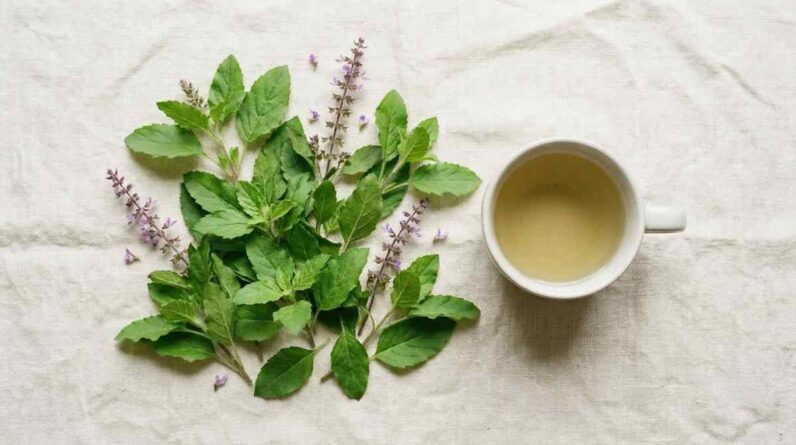
Lavender tea is the most practical form for digestive complaints. Steep one teaspoon of dried flowers in 250 ml of hot water for 5 to 8 minutes, then strain. One to two cups per day after meals is a reasonable starting point. Avoid adding sugar, which can counteract the calming effect on the gut. If you experience persistent digestive symptoms, consult a doctor before relying on herbal remedies alone. If bloating is your main concern, see our guide to herbal remedies for bloating for a broader list of options.
How to Use Lavender at Home
For Anxiety or Stress
- Add 3 to 5 drops of essential oil to a diffuser
- Run it in your living space for 20 to 30 minutes
- Repeat daily during high-stress periods for a cumulative effect
For Sleep
- Place 2 drops on a tissue tucked inside your pillowcase
- Or run a bedside diffuser for 30 minutes as you settle in
- Consider a standardised oral supplement if aromatherapy alone is not enough. You can also brew it as a tea, just like you would make chamomile tea at home.
For Headaches
- Dilute 2 to 3 drops in 1 teaspoon of carrier oil
- Massage into your temples, forehead, and base of the skull
- Breathe in the scent quietly for 5 to 10 minutes
For Skin
- Create a 2% dilution: 12 drops per 30 ml of carrier oil
- Apply gently to minor cuts, burns, or bites two to three times daily
- Keep a small roll-on bottle in your first aid kit
For Period Pain
- Blend lavender and clary sage (2 drops each) in 1 tablespoon of carrier oil
- Massage onto the lower abdomen in slow, circular motions
- Place a warm compress over the area and rest for 10 to 15 minutes
Forms Compared
| Form | Best For | Speed | Notes |
|---|---|---|---|
| Essential oil (inhaled) | Anxiety, sleep, headaches | Fast (10–15 min) | Needs a diffuser or direct inhalation |
| Essential oil (topical) | Skin, pain, headaches | Moderate (20–30 min) | Always dilute; never apply neat |
| Oral capsule (Silexan) | Ongoing anxiety, sleep disorders | Slow (2–4 weeks) | Strongest clinical evidence |
| Lavender tea | Mild relaxation, digestion | Moderate | Gentle; good for daily use |
| Dried or fresh plant | Ambient calm | Ambient | Low active dose; suits sensitive users |
Safety and Side Effects
Lavender has been used safely by most adults for generations, but a few things are worth knowing before regular use.
Skin sensitivity: Some people react to the oil, especially at higher concentrations. Always patch-test a diluted blend on your inner arm and wait 24 hours before applying to a larger area.
Children: Generally considered safe in diffused or topical form at low concentrations (0.5–1%). There are some concerns around topical lavender and tea tree oils and hormonal effects in prepubescent boys. Use cautiously and consult a paediatrician.
Pregnancy: Inhaled lavender is considered low risk. Oral supplements should be avoided during pregnancy due to insufficient safety data. Consult your doctor before using any concentrated form.
Drug interactions: Lavender may enhance the sedative effects of sleep aids, antihistamines, and anaesthetics. Speak to your doctor before using supplements alongside these medications.
Oral essential oils: Never ingest essential oils directly, it is highly concentrated and toxic at internal doses. Only use products specifically formulated for internal use, such as Silexan capsules.
Frequently Asked Questions
What are the main medicinal uses of lavender?
Anxiety, sleep problems, headaches, minor wounds, and mild pain relief are the most established uses, and also where clinical research is strongest. The effect on the nervous system underpins most of these benefits.
Can you drink lavender tea every day?
Yes, tea is safe for most adults in moderate amounts, typically one to two cups per day. It has a milder effect than the oil and is a gentle option for daily use. Avoid it during pregnancy without speaking to your doctor first.
How long does it take to work for anxiety?
Inhaled oil can produce noticeable calming effects within 10 to 20 minutes. Oral preparations such as Silexan typically take two to four weeks of daily use before consistent anxiety reduction is felt, based on clinical trial data.
Is it safe to apply essential oil directly to the skin?
No. It should always be diluted in a carrier oil first. A 2% dilution, roughly 12 drops per 30 ml of carrier, is the standard safe concentration for adults. Applying it undiluted can cause irritation or sensitisation over time.
Does lavender really help with sleep?
Multiple clinical studies confirm that aromatherapy improves sleep quality compared to placebo, particularly in older adults and people with mild insomnia. The effect is attributed to linalool’s action on the nervous system, not expectation alone. It works best as part of a consistent nightly routine.
Can lavender lower blood pressure?
Some small studies suggest that inhaling lavender may produce a modest, short-term reduction in blood pressure and heart rate, likely through its calming effect on the autonomic nervous system. The evidence is preliminary, and it should not be used as a replacement for prescribed blood pressure medication. Speak to your doctor if you are managing hypertension.
Can lavender help with panic attacks?
Anecdotally, many people find that inhaling lavender during a panic attack helps reduce its intensity and duration. The mechanism is plausible; linalool acts quickly via the olfactory pathway and may dampen the nervous system’s stress response. Carrying a small inhaler stick or roll-on for acute moments is a low-risk option, though it should complement, not replace, any treatment plan.
Is lavender safe for pets?
Diluted lavender is sometimes used on dogs for calming purposes, but cats are significantly more sensitive to essential oils and should not be exposed to them. Both diffused and topical lavender can cause toxicity in cats. Always consult a vet before using any essential oil around or on animals.
What is the best lavender for medicinal use?
Lavandula angustifolia (English lavender) is the species most backed by clinical research and has the highest linalool content relative to camphor. Lavandin (Lavandula x intermedia) is cheaper and more widely available but contains higher camphor levels, which may be less suitable for therapeutic use. When buying supplements or oils for medicinal purposes, check the label for the species name.
Can lavender interact with antidepressants?
There is no well-documented direct interaction between lavender and standard antidepressants such as SSRIs. However, because lavender has sedative properties, combining it with medications that affect the central nervous system, including some antidepressants, warrants caution. If you are on any psychiatric medication, consult your prescribing doctor before adding regular lavender supplementation.
Final Thoughts
Lavender earns its place in any serious herbal toolkit. The evidence for anxiety, sleep, and headache relief is backed by solid research, not just tradition. For skin care and pain, traditional use is supported by plausible mechanisms and growing clinical evidence.
Start with a quality essential oil or herbal tea and observe how your body responds. If you are dealing with persistent anxiety or ongoing sleep issues, a standardised oral supplement offers the most clinically validated approach.
If you want to grow your own supply, lavender is one of the best medicinal herbs to grow indoors and one of the easiest to maintain year-round.
References
- Woelk H, Schlaefke S. (2010). A multi-centre, double-blind, randomised study of the Lavender oil preparation Silexan in comparison to Lorazepam for generalised anxiety disorder. Phytomedicine, 17(2), 94–99. https://pubmed.ncbi.nlm.nih.gov/19962288/
- Koulivand PH, Khaleghi Ghadiri M, Gorji A. (2013). Lavender and the nervous system. Evidence-Based Complementary and Alternative Medicine, 2013, Article 681304. https://www.ncbi.nlm.nih.gov/pmc/articles/PMC3612440/
- Sasannejad P, Saeedi M, Shoeibi A, et al. (2012). Lavender essential oil in the treatment of migraine headache: A placebo-controlled clinical trial. European Neurology, 67(5), 288–291. https://doi.org/10.1159/000335249
- Mori HM, Kawanami H, Kawahata H, Aoki M. (2016). Wound healing potential of lavender oil by acceleration of granulation and wound contraction through induction of TGF-beta in a rat model. BMC Complementary and Alternative Medicine, 16, 144. https://doi.org/10.1186/s12906-016-1128-7
- Nikjou R, Kazemzadeh R, Rostamnegad M, et al. (2016). The effect of lavender aromatherapy on the pain severity of primary dysmenorrhea: A triple-blind randomised clinical trial. Annals of Medical and Health Sciences Research, 6(4), 211–215. https://pubmed.ncbi.nlm.nih.gov/27489729/
- Goel N, Kim H, Lao RP. (2005). An olfactory stimulus modifies nighttime sleep in young men and women. Chronobiology International, 22(5), 889–904. https://pubmed.ncbi.nlm.nih.gov/16298774/
- Kasper S, Gastpar M, Muller WE, et al. (2014). Lavender oil preparation Silexan is effective in generalised anxiety disorder — a randomised, double-blind comparison to placebo and paroxetine. International Journal of Neuropsychopharmacology, 17(6), 859–869. https://pubmed.ncbi.nlm.nih.gov/24456994/

Written by cskoch, who researches medicinal plants and herbal wellness at Herbal Daily Care. This guide is research-based: we reviewed published trials, meta-analyses, and the manufacturer’s own sales page. We did not purchase or test the product, and we do not claim first-hand results.