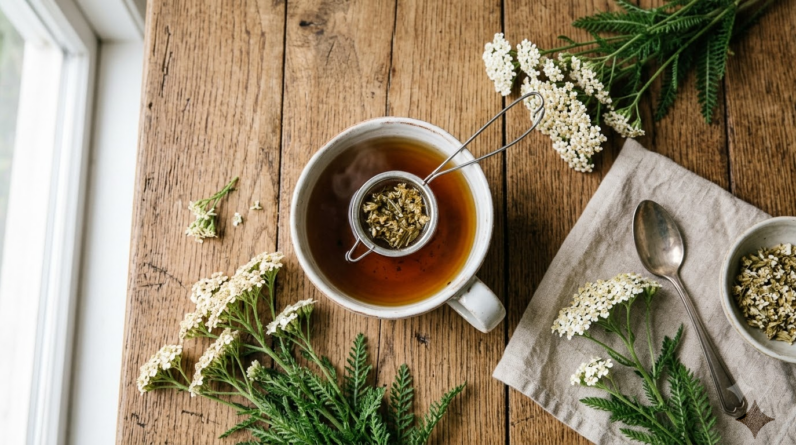




Lemon and ginger tea shows up on wellness lists so often it’s easy to assume the hype is just marketing. It mostly isn’t. Fresh ginger and lemon juice each bring their own, separately studied set of effects to the cup, and combined they cover more ground than most simple home remedies. This guide breaks down what lemon and ginger tea actually does, whether it has caffeine, whether it can genuinely help you lose weight or use the bathroom more regularly, and how much of the hype holds up. It’s for anyone deciding whether to add this specific tea to their routine, not just anyone curious about ginger or lemon separately.
Quick Answer
Lemon and ginger tea is good for you in a low-risk, supportive way: it’s naturally caffeine-free, provides a modest dose of vitamin C from the lemon, and combines ginger’s well-documented effects on nausea and digestion with lemon’s hydration and antioxidant benefits. It isn’t a weight-loss shortcut, but it’s a reasonable, low-calorie addition to your routine.
What Is Lemon and Ginger Tea?
Lemon and ginger tea, in its simplest form, is fresh ginger root steeped in hot water with lemon juice added, usually with honey optional. It isn’t a “true” tea in the botanical sense, since it doesn’t contain leaves from the Camellia sinensis plant, the source of black, green, and white tea. Instead, it’s a tisane, an herbal infusion made from a root and a fruit rather than tea leaves.
The two ingredients bring different strengths to the cup. Ginger contributes gingerol and related compounds, which are behind its long-documented use for nausea and digestion. Lemon contributes vitamin C, citric acid, and a small amount of plant antioxidants. Neither ingredient is trying to do the other’s job, which is part of why the combination covers more ground than either one alone.
People ask about ginger and lemon tea and lemon and ginger tea almost interchangeably, and that’s fine; both phrasings describe the same drink. Whether you make it with more ginger than lemon or the reverse doesn’t change which compounds you’re getting, only how strong each flavor comes through.
What Does Lemon and Ginger Tea Do for You?
At a basic level, lemon and ginger tea does three things: it hydrates you, it delivers ginger’s gingerol compounds to your digestive system, and it adds a meaningful amount of vitamin C from the lemon.
On the ginger side, a review from the NIH’s National Center for Complementary and Integrative Health notes that ginger’s most well-established historical use is easing nausea and vomiting, an effect several controlled studies have confirmed. Johns Hopkins Medicine adds that ginger contains hundreds of natural compounds, some anti-inflammatory, and can reduce fermentation, bloating, and intestinal gas.
On the lemon side, Northwestern Medicine notes that staying hydrated, which a warm cup of lemon water helps with, can stimulate the gut and prevent constipation by softening stool and promoting regular bowel movements. Lemons are also a real source of vitamin C: Cleveland Clinic notes that a typical serving made with half a lemon provides roughly 15 to 20 milligrams of vitamin C, about 15 to 20% of daily needs. Vitamin C itself, according to the NIH Office of Dietary Supplements, acts as an antioxidant that helps protect cells from damage caused by free radicals and supports the immune system.
Put together, lemon and ginger tea does more for digestion and hydration than it does for any single dramatic effect, which is a more accurate way to think about it than as a cure-all.
Does Lemon and Ginger Tea Have Caffeine?
No. Lemon and ginger tea, made the traditional way with fresh ginger root and lemon juice, is naturally caffeine-free. According to Michigan State University’s Center for Research on Ingredient Safety, herbal teas don’t contain leaves from the Camellia sinensis plant, the source of caffeine in black, green, and white tea, so most herbal teas, including ginger-based ones, are caffeine-free by nature. The same source notes a few exceptions exist, like yerba mate and guayusa, but ginger and lemon aren’t among them.
One caveat worth knowing: some store-bought “lemon ginger tea” products are actually black or green tea blended with lemon and ginger flavoring rather than a pure herbal infusion. So while the direct answer to “does ginger and lemon tea have caffeine” is no for the homemade version, a boxed blend could be an exception. If you’re specifically trying to avoid caffeine, check the ingredient label for tea leaves, or make it yourself with fresh ginger and lemon juice to be certain.
What Are the Benefits of Drinking Lemon and Ginger Tea?
The benefits of lemon and ginger tea break down into a few well-supported categories, plus a couple of softer, less certain ones.
Nausea and Digestive Comfort
This is ginger’s strongest, most consistently supported effect. Research summarized by the NIH notes ginger is generally effective as an antiemetic, helpful for general nausea, motion sickness, and even chemotherapy-related nausea in some trials. Combined with the mild digestive-stimulating effect of lemon and hydration, a warm cup after a meal is a reasonable, low-risk way to settle an upset stomach.
Immune and Antioxidant Support
The lemon half of the equation does most of the work here. Vitamin C functions as an antioxidant, and getting a partial daily dose from lemon juice is a legitimate, if modest, contribution toward your overall immune support, according to the NIH Office of Dietary Supplements. The same source notes vitamin C also helps the body absorb iron from plant-based foods and supports collagen production, which matters for wound healing and skin health, even though a single cup of tea won’t provide anywhere near a full day’s worth on its own.
Hydration
This sounds almost too simple to count as a “benefit,” but it’s a real one. Cleveland Clinic notes that a glass of lemon water in the morning can promote hydration alongside its other effects, and for people who find plain water unappealing, adding lemon and ginger flavor is a legitimate way to drink more of it. Since dehydration itself can contribute to headaches, fatigue, and sluggish digestion, this indirect benefit shouldn’t be dismissed just because it isn’t as exciting as a specific compound.
Mild Anti-Inflammatory Support
Ginger’s anti-inflammatory reputation is grounded in real biology, though the NIH review is careful to note that evidence in living humans is still described as contradictory and incomplete, even though lab and animal studies are more consistent. Treat this as a plausible bonus rather than the tea’s main selling point. If anti-inflammatory herbs are what actually brought you here, our Ginger vs. Turmeric comparison breaks down how ginger stacks up against turmeric specifically for inflammation.
If digestive comfort is the benefit you care about most, our 8 Herbal Remedies for Bloating That Actually Work goes deeper into how ginger compares with other digestion-focused herbs.
Does Lemon and Ginger Tea Make You Poop?
For some people, yes, though it’s more about hydration and gut stimulation than any dramatic laxative effect. Northwestern Medicine specifically notes that drinking warm lemon water can help stimulate digestion, and that staying hydrated helps prevent constipation by softening stool and encouraging regular bowel movements. Ginger’s own effect on gastric motility, meaning how efficiently food moves through your digestive tract, adds to this.
This isn’t the same mechanism as a stimulant laxative, so don’t expect an immediate or dramatic effect. It’s closer to a gentle nudge for people whose sluggish digestion is related to being under-hydrated or eating heavier meals, rather than a fix for a specific digestive condition.
Can Lemon and Ginger Tea Help You Lose Weight?
This is the softest claim in the whole conversation, and it deserves an honest answer rather than an enthusiastic one. Healthline notes that drinking lemon water may help with weight management goals mainly by giving you a low-calorie alternative to sugary drinks and adding to your overall water intake, which may support metabolism indirectly. That’s a reasonable, if modest, mechanism, not evidence that the tea itself burns fat.
Regular physical activity and a balanced diet remain the actual drivers of weight loss. Lemon and ginger tea’s realistic role is as a zero-to-low-calorie replacement for soda or sweetened coffee drinks, which can support a calorie deficit indirectly, rather than as a direct fat-loss mechanism on its own. If someone tells you a specific number of cups per day guarantees weight loss, that’s a marketing claim rather than something backed by the research summarized here; swapping a 200-calorie sweetened latte for a free cup of this tea is where any real calorie savings actually comes from.
How to Make Lemon and Ginger Tea
Making it at home takes about 10 minutes and gives you more control over strength and freshness than most store-bought versions.
- Slice about 1 inch of fresh ginger root into thin pieces (peeling is optional).
- Add the ginger to a mug or small pot and pour over 8 to 10 ounces of just-boiled water.
- Steep for 10 minutes, longer if you prefer a stronger, spicier cup.
- Strain out the ginger pieces, then squeeze in the juice of half a fresh lemon.
- Add honey to taste, if desired, and drink warm.
If you’re new to using herbs regularly rather than as an occasional remedy, our guide on what herbs are safe for everyday use is a good place to check before making this a daily habit.
Potential Side Effects
Lemon and ginger tea is well tolerated by most healthy adults, but a few things are worth knowing before making it a daily habit.
- Ginger can cause heartburn or mild stomach upset at higher amounts, and has a mild antiplatelet effect worth flagging if you’re on blood thinners.
- Lemon’s acidity can contribute to tooth enamel erosion or heartburn with frequent, concentrated use, though Healthline notes no side effects have been reported from one cup of lemon water a day.
- People with acid reflux or GERD may find the acidity of lemon aggravates symptoms, even though the ginger itself is often used to calm digestion.
- Pregnant women should stick to food-level amounts of both ingredients, and check with a doctor before using ginger specifically for pregnancy-related nausea beyond typical culinary amounts.
None of these are reasons to avoid the tea outright for most people; they’re just worth knowing if you plan to drink it every day rather than occasionally, since the cumulative acid exposure and ginger intake add up differently than a single cup here and there.
Frequently Asked Questions
The main benefits are digestive comfort and nausea relief from the ginger, plus a modest vitamin C and antioxidant boost and better hydration from the lemon. It’s best suited to occasional nausea and mild digestive discomfort, as a caffeine-free, low-calorie daily habit, rather than as a treatment for any specific condition or a stand-in for medication.
No, when made the traditional way with fresh ginger and lemon juice. It’s a herbal infusion, not a true tea, so it doesn’t contain the caffeine found in black, green, or white tea. Check labels on store-bought blends, since some combine actual tea leaves with lemon and ginger flavoring.
For most healthy adults, yes, in moderate amounts, one to two cups daily. Watch for heartburn or tooth sensitivity with very frequent, concentrated use, and check with a doctor if you’re on blood thinners or have acid reflux.
It can support more regular bowel movements by improving hydration and mildly stimulating digestion, but it isn’t a strong laxative. Think of it as a gentle nudge rather than a fast-acting remedy.
Only indirectly, mainly by replacing higher-calorie drinks and supporting hydration. It isn’t a fat-burning shortcut, and diet and exercise remain the actual drivers of weight loss.
What are the benefits of drinking ginger and lemon tea? The main benefits are digestive comfort and nausea relief from the ginger, plus a modest vitamin C and antioxidant boost and better hydration from the lemon. It’s best suited to occasional nausea and mild digestive discomfort, as a caffeine-free, low-calorie daily habit, rather than as a treatment for any specific condition or a stand-in for medication.
Does lemon and ginger tea have caffeine? No, when made the traditional way with fresh ginger and lemon juice. It’s a herbal infusion, not a true tea, so it doesn’t contain the caffeine found in black, green, or white tea. Check labels on store-bought blends, since some combine actual tea leaves with lemon and ginger flavoring.
Is ginger and lemon tea good for you every day? For most healthy adults, yes, in moderate amounts, one to two cups daily. Watch for heartburn or tooth sensitivity with very frequent, concentrated use, and check with a doctor if you’re on blood thinners or have acid reflux.
Lemon and ginger tea earns its reputation more through consistency than through any single dramatic effect: modest vitamin C, genuine digestive support, good hydration, and virtually no caffeine or calories. If ginger specifically is what interests you, our full breakdown of ginger’s health benefits covers the research on nausea, blood sugar, and more in greater depth.
Disclaimer: This article is for educational purposes only and is not intended as medical advice. Always consult a qualified healthcare professional before using medicinal herbs, especially if you are pregnant, nursing, taking medications, or have a medical condition. Read our full Medical Disclaimer.
References
- NIH National Center for Complementary and Integrative Health: “The Amazing and Mighty Ginger”
- Johns Hopkins Medicine: “Ginger Benefits”
- NIH Office of Dietary Supplements: “Vitamin C: Fact Sheet for Consumers”
- Northwestern Medicine: “Is Drinking Lemon Water Good for You?”
- Cleveland Clinic: “What Are the Benefits of Drinking Lemon Water?”
- Healthline: “Benefits of Lemon Water: Vitamin C, Weight Loss, Skin, and More”
- Michigan State University Center for Research on Ingredient Safety: “Herbal Tea”

Researches medicinal plants, herbal wellness, and sustainable gardening practices. Through Herbal Daily Care, she helps readers discover the benefits of growing and using herbs at home.