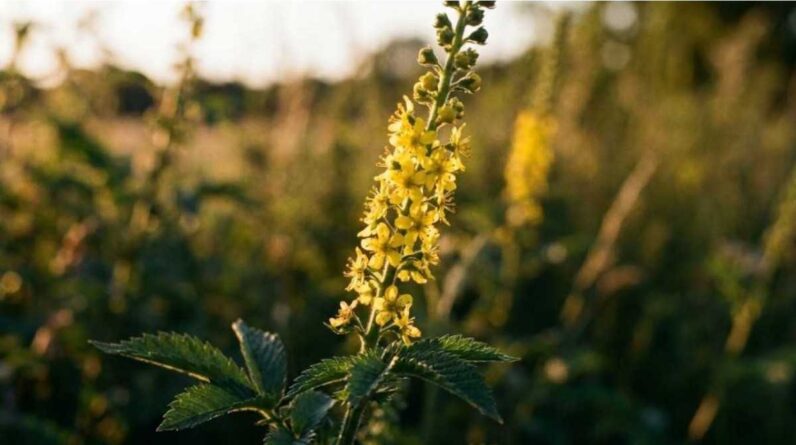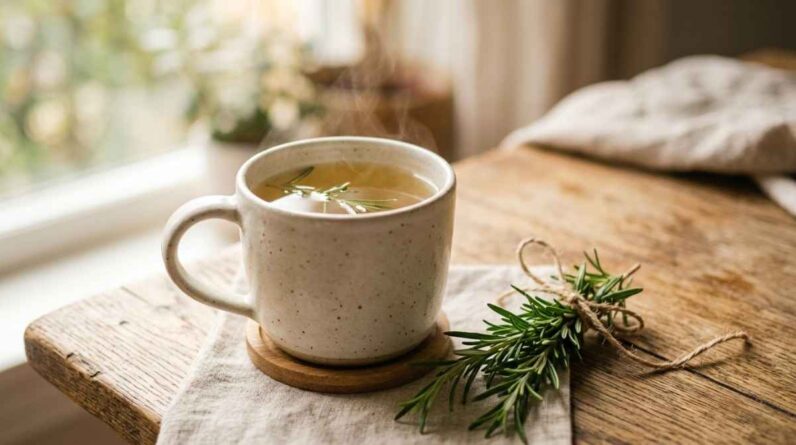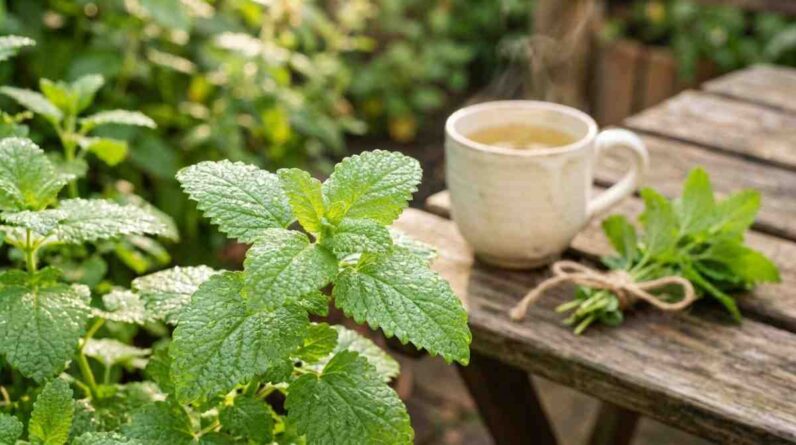


You have probably had a rough night. Mind racing. Body tense. Staring at the ceiling, wondering when you will finally drift off. You reach for something natural, and two names keep coming up: chamomile and lavender. Both have been trusted herbal remedies for hundreds of years. Both sit on every health store shelf. So, in the chamomile vs lavender question, which one is actually right for you?
This guide breaks down the real differences between these two herbs for anxiety relief and better sleep. We will look at how each one works inside your body, which situations each suits best, and whether pairing them makes sense. Whether you prefer a warm cup of herbal tea, an essential oil diffuser, or a daily supplement, you will have a clear picture by the end.
Quick Answer: Chamomile vs Lavender at a Glance
Chamomile is generally the stronger pick for sleep. Its active compound, apigenin, binds to GABA receptors and produces a mild sedative effect that helps you fall asleep faster. Current evidence suggests that standardised oral lavender preparations may provide stronger support for generalised anxiety symptoms during the day, while chamomile appears particularly helpful for sleep-related anxiety and mild insomnia. Most people find chamomile works best at night, and lavender works best during the day.
What Makes Each Herb Work? The Science of Calm
Before picking a winner, it helps to understand what is actually happening when you brew a cup or breathe in those calming scents. Both herbs have real compounds that interact with your nervous system in measurable ways.
Chamomile: A Trusted Herbal Sleep Aid
The calming effect of chamomile comes mainly from a flavonoid called apigenin. This compound is believed to interact with the GABA-A receptor complex, including benzodiazepine receptors in the brain, though the exact mechanisms are still being studied. When apigenin engages those receptors, it appears to quiet neural activity. Quieting that neural activity is likely what produces the drowsy, settled feeling after a warm evening cup.
A randomised controlled trial by Amsterdam et al. published in Phytomedicine found that long-term chamomile extract use significantly reduced symptoms of generalised anxiety disorder and delayed relapse after people stopped using it. This suggests the properties of chamomile go beyond temporary symptom relief and may support the nervous system over time.
Chamomile flowers also contain luteolin and chrysin, two other flavonoids that add mild muscle-relaxing and anti-inflammatory effects. So that wave of ease you feel is not just in your head.
Egyptian chamomile is widely regarded as one of the highest-quality varieties and appears frequently in premium herbal tea blends designed for relaxation and better sleep.
For a full breakdown of what this herb can do, see our guide to the benefits of chamomile.
Lavender: More Than a Pleasant Smell
Lavender’s main active compound is linalool, a terpene found in lavender essential oil. Research suggests that linalool and linalyl acetate together modulate GABA receptors and may help lower cortisol, the hormone most closely tied to stress. Unlike chamomile, lavender appears to work through two routes: the digestive system when swallowed, and the olfactory system when inhaled.
The most well-studied oral product is Silexan, a standardised lavender oil capsule tested across multiple European trials. Several clinical trials found that this standardised lavender oil preparation produced anxiety reductions that approached those seen with lorazepam while causing fewer sedative effects. Used in aromatherapy, lavender is similarly valued for its calming and soothing properties, though the evidence for inhaled lavender is somewhat more mixed than for the oral form.
Staying clear-headed while feeling calmer is one area where lavender often has an advantage over chamomile during the day. You can use lavender and still function clearly.
Our dedicated guide to lavender medicinal uses and benefits covers the full range of ways this herb is used beyond anxiety and sleep.
Chamomile vs Lavender: Side-by-Side Comparison
| Feature | Chamomile | Lavender |
|---|---|---|
| Primary use | Sleep support, nighttime anxiety | Daytime anxiety, stress relief, and mood |
| Active compound | Apigenin (flavonoid) | Linalool, linalyl acetate |
| Best form | Herbal tea, extract capsule | Essential oil, oral capsule |
| Time to feel the effect | 30 to 45 minutes (tea) | 15 to 30 minutes (aromatherapy) |
| Best time of day | Evening or bedtime | Any time of day |
| Sedating? | Yes, mildly | No (when used aromatically) |
| Clinical evidence | Moderate | Strong (oral supplements) |
| Side effects | Rare; ragweed allergy risk | Rare; skin sensitivity possible |
| Cost | Low (tea) to moderate (extract) | Low (oil) to higher (Silexan capsules) |
Chamomile Tea for Sleep and Nighttime Anxiety
Reach for chamomile when anxiety shows up specifically at bedtime. You know the feeling: your body is exhausted, but your brain will not stop. This herb handles that wired-but-tired state well. It is also one of the most commonly used sleep aids for mild insomnia and the kind of low-grade, persistent worry that makes settling down feel impossible.
A warm cup brewed about 45 minutes before bed consistently takes the edge off racing thoughts without leaving you feeling drugged. It does not knock you out. It just makes it easier to let go. That gentle calming effect explains why so many people make it part of their nightly routine.
Where chamomile falls short is in daytime use. Because it has a mild sedative quality, drinking it in the afternoon when you need to focus is not ideal. It can leave you feeling heavy or foggy. For daytime stress and anxiety, lavender is the better fit.
Best Forms to Try
Brewed chamomile tea: The most accessible starting point. Use two tea bags or a heaped teaspoon of dried flowers, and steep for 5 to 10 minutes with a lid on the cup. That lid matters. It traps the volatile oils responsible for much of the soothing, calming effect. Covering the cup while it steeps makes a real difference.
Chamomile extract capsules: More potent and consistent than tea. Look for products standardised to 1.2% apigenin. Better suited to people with more significant anxiety who want a reliable daily dose and clearer results than tea alone provides.
Chamomile tincture: Fast-acting and concentrated. Add 30 to 40 drops to water. Useful when you want something quick without brewing a hot drink. Especially handy for restful sleep support when you are already in bed.
For sleep quality specifically, a chamomile extract capsule taken about an hour before bed tends to give more consistent results, particularly for people who have found tea only mildly effective.
Chamomile Dosage
Studies have used 220 to 1,100 mg of extract per day, standardised to 1.2% apigenin. For tea, one to two cups in the evening is the standard starting point. Most people notice a difference within two to three nights of regular nightly use.
If you want to get the most out of your brew, our step-by-step guide on how to make chamomile tea at home covers steeping times, water temperature, and fresh versus dried flowers.
Lavender Tea, Essential Oil, and Aromatherapy for Daytime Stress
Lavender is the more flexible of the two herbal allies. You can diffuse lavender oil during a stressful workday, take a capsule in the evening, or add a few drops to your pillow as part of a winding-down ritual. At standard doses, it does not impair alertness, which makes it far more practical for daytime stress and anxiety relief.
Where lavender genuinely excels is in ongoing, low-level tension without a clear trigger. The clinical evidence behind oral lavender supplements is some of the strongest available for any herbal anxiety remedy.
For sleep quality, lavender works best as part of a broader nighttime routine rather than as a standalone sedative. Using it in a diffuser for 30 minutes before sleep can help reduce sleep latency, meaning you fall asleep faster. But it does not produce the same direct sedative action as chamomile. It sets the mood for sleep rather than switching off your brain.
Best Forms to Try
Lavender essential oil for aromatherapy: Add 4 to 6 drops to a diffuser, or apply 1 to 2 drops to your wrists or pillow mixed with a carrier oil like jojoba. Inhaling it this way is one of the most accessible ways to experience its stress-relieving, soothing effects. Used in aromatherapy, it has a long history of promoting relaxation and calm.
Oral lavender capsules (Silexan-based): The clinically studied form. Brands like Calm Aid use 80 mg of lavender oil per capsule, matching the dose used in research trials. This form is best for people dealing with generalized anxiety and stress throughout the day.
Lavender tea: The mildest option. A lavender tea blend combined with chamomile makes a rounded evening herbal tea that helps soothe stress and anxiety from both directions and promotes relaxation before bed.
A word on quality: lavender essential oil varies enormously by brand. Many budget products are diluted or synthetic. Look for bottles labelled “100% pure essential oil” with an available GC/MS test report. Reputable brands publish these openly.
Lavender Dosage
For aromatherapy, studies typically used 30 to 60 minutes of diffusion at bedtime. For oral supplements, the studied dose is 80 mg of standardised lavender oil daily. Clinical trials generally showed results within two weeks of consistent daily use. Older adults and those on regular medication should check with a doctor before starting oral lavender supplements.
Combining Chamomile Tea with Lavender: The Best of Both Worlds
Yes, you can use both, and combining chamomile tea with lavender aromatherapy often works better than using either alone.
Lavender and chamomile work through separate pathways. Apigenin targets the GABA-A receptor complex in the brain. Linalool works through the olfactory system and appears to act on cortisol. Because they do not compete, they complement each other well, and together they promote relaxation from multiple directions at once.
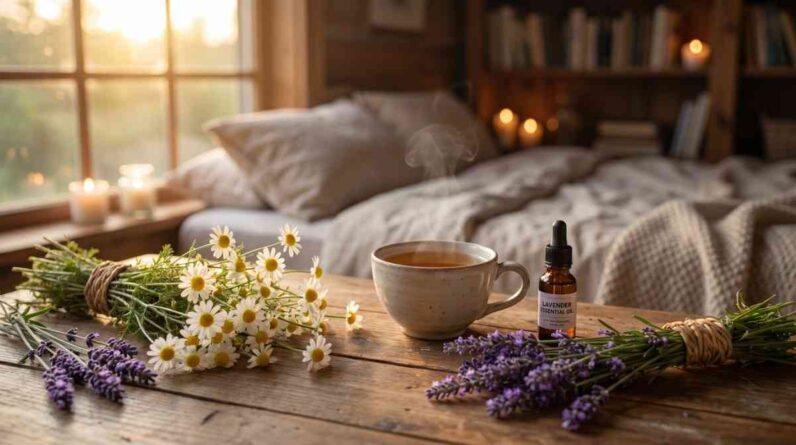
A simple nighttime routine: diffuse lavender essential oil in your bedroom while drinking a cup of chamomile tea about 45 minutes before sleep. The aromatherapy calms the environment. The herbal tea calms your body from the inside. It is a layered approach that covers both the mental and physical sides of winding down and can meaningfully improve sleep quality over time.
Blended chamomile and lavender herbal tea products are also widely available and are a convenient starting point, though they are harder to adjust if you want more of one than the other. Combining chamomile tea with lavender aromatherapy separately gives you more control over each element.
There is no known negative interaction between the two. Both are considered safe for short-term use in healthy adults.
Who Should Avoid These Herbs? Safety Summary
Neither herb is risk-free. Read this section before starting either one.
Avoid Chamomile If:
- You have ragweed allergies or have previously reacted to daisy-family plants
- You take blood thinners like warfarin, as chamomile may amplify their effects
- You are pregnant or breastfeeding without guidance from your doctor
- Have you had any previous allergic reaction to chamomile flowers or related plants
Avoid Lavender If:
- You experience skin sensitivity to essential oils (always dilute before applying topically)
- You are pregnant or breastfeeding without medical guidance
- You experience nausea or headaches at higher supplement doses
General Caution for Both:
Older adults and anyone managing ongoing health conditions should check with a doctor before using either herb regularly. Neither herb is a substitute for professional care when anxiety or sleep problems are severe or long-lasting.
If you are postpartum or recently after childbirth, speak with your healthcare provider before adding any herbal supplement to your routine, as research on safety during that period is limited.
This article does not replace medical advice.
Which One Should You Choose?
Go with chamomile if:
- Your main struggle is falling asleep or staying asleep
- You want a gentle nightly herbal tea ritual that costs very little
- Anxiety is mild and mostly shows up in the evening
- You prefer something aromatic and warm that you can hold before bed
Go with lavender if:
- Daytime anxiety and stress are your bigger problem
- You want something that helps soothe and calm without making you drowsy
- You are drawn to aromatherapy and use lavender essential oil as part of your routine
- You are open to trying a supplement backed by strong clinical research
Use both if:
- Stress and anxiety run through your whole day, and sleep quality is also a struggle
- You want a layered approach to calming your nervous system
- You like the idea of chamomile and lavender working together at bedtime through both a tea and aromatherapy
Neither herb replaces professional support when symptoms are severe or ongoing. But as gentle, well-tolerated herbal allies with real research behind them, both earn their place in a natural wellness routine.
If you are new to herbal wellness and not sure where to begin, our guide to the best herbs to start with for health is a good next step.
Frequently Asked Questions
Is chamomile or lavender better for sleep? Chamomile is the stronger choice for sleep specifically. Apigenin engages GABA-A receptors associated with sedation, which helps you fall asleep faster and supports more restful sleep. Lavender improves sleep quality mainly by reducing anxiety and lowering cortisol rather than triggering drowsiness on its own. If your goal is better sleep and you can only choose one, start with chamomile.
Can I drink chamomile and lavender tea together? Yes. A chamomile or lavender tea blend is widely available and safe for most healthy adults. The herbs work through different mechanisms, so there is no known conflict. A chamomile lavender blend in the evening is a practical way to get the relaxing properties of both herbs at once and is a great introduction to herbal tea for anxiety and stress.
How long before chamomile works for anxiety? A brewed cup can produce mild calm within 30 to 45 minutes of drinking a cup. For lasting anxiety relief, consistent daily use of a standardised extract over four to eight weeks tends to produce the clearest results.
Is lavender’s calming effect real or just a placebo? The evidence is stronger than placebo. Multiple randomised controlled trials have found oral lavender supplements, particularly Silexan at 80 mg, significantly outperform placebo for reducing anxiety. Aromatherapy evidence is more mixed, but several studies show measurable drops in cortisol and self-reported stress after inhaling lavender.
Does chamomile make you sleepy during the day? It can. Because chamomile has mild sedative properties, drinking it in the afternoon may leave some people feeling heavy or unfocused. If you need stress relief without drowsiness during work hours, lavender is a better fit for daytime use.
Can I take lavender capsules every day? Yes, within the studied dose range. Clinical trials used 80 mg of standardised lavender oil daily for several weeks without significant adverse effects in healthy adults. However, if you have ongoing health conditions or take regular medication, check with a doctor before starting daily supplementation.
Which is better for panic attacks? Neither herb has strong evidence specifically for panic attacks. For acute anxiety episodes, lavender aromatherapy may offer faster relief through the olfactory system. Inhaling lavender directly from the bottle during a stressful moment is a low-risk first step. For ongoing panic-related anxiety, speak with a healthcare professional about evidence-based treatments.
Is chamomile tea enough for anxiety on its own? For mild, occasional anxiety that shows up mainly at night, drinking it regularly may be enough. For moderate or persistent anxiety and stress, a standardised chamomile extract capsule provides a more consistent dose. Chamomile alone is unlikely to be enough for generalised anxiety disorder without additional support.
Are there stronger herbal options for anxiety? Ashwagandha and passionflower have stronger clinical evidence for reducing anxiety than either chamomile or lavender. Valerian root is also more consistently sedating. That said, chamomile and lavender are among the best-tolerated options available, with fewer side effects and wider accessibility. They make a sensible starting point before moving to stronger remedies.
For a broader look at where to begin, see our guide to medicinal herbs for beginners.
References
- Amsterdam JD et al. “Chamomile (Matricaria recutita) may have antidepressant activity in anxious depressed humans: an exploratory study.” Alternative Therapies in Health and Medicine. 2012. View on PubMed
- Mao JJ, Xie SX, Keefe JR, Soeller I, Li QS, Amsterdam JD. “Long-term chamomile (Matricaria chamomilla L.) treatment for generalized anxiety disorder: A randomized clinical trial.” Phytomedicine. 2016. View on PubMed
- Kasper S. “An orally administered lavender oil preparation (Silexan) reduces anxiety in generalized anxiety disorder within 2 weeks.” Psychopharmacology. 2014.
- Woelk H, Schläfke S. “A multi-center, double-blind, randomised study of the lavender oil preparation Silexan in comparison to lorazepam for generalized anxiety disorder.” Phytomedicine. 2010. View on PubMed
- Koulivand PH, Khaleghi Ghadiri M, Gorji A. “Lavender and the nervous system.” Evidence-Based Complementary and Alternative Medicine. 2013.
- Srivastava JK, Shankar E, Gupta S. “Chamomile: A herbal medicine of the past with bright future.” Molecular Medicine Reports. 2010.
Reviewed against published herbal medicine research and clinical studies available as of 2025.

Researches medicinal plants, herbal wellness, and sustainable gardening practices. Through Herbal Daily Care, she helps readers discover the benefits of growing and using herbs at home.