

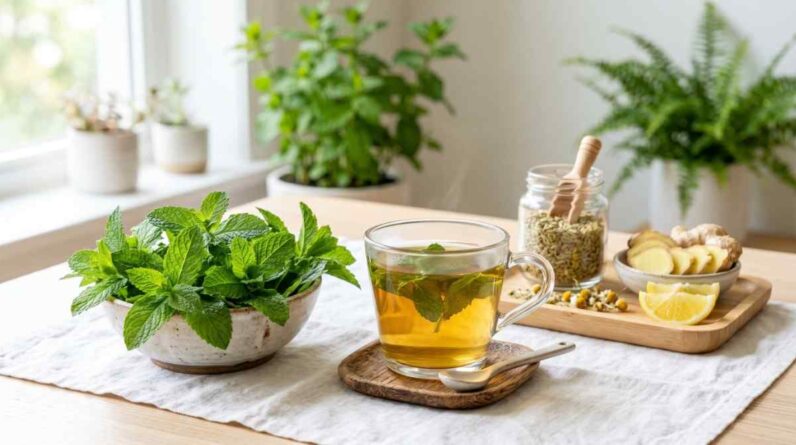
You finish dinner, and within an hour, your stomach is tight, bloated, or cramping. If you’ve reached for a cup of peppermint tea and felt genuine relief, you weren’t imagining it. Peppermint is one of the most well-researched herbs for digestive complaints, and it works through mechanisms scientists have studied and confirmed repeatedly. So, is peppermint good for digestion?
This guide covers how peppermint helps digestion, which conditions it’s best suited for, the most effective forms to use, and when it can actually make things worse. It’s written for anyone managing gut issues who wants to know whether peppermint belongs in their daily routine.
Quick Answer
Peppermint is good for digestion in most people. Its active compound, menthol, relaxes smooth muscle throughout the GI tract, easing cramping, gas, and bloating. It’s clinically supported for IBS relief, especially in enteric-coated capsule form. People with acid reflux or GERD should use it with caution, as it can worsen those symptoms.
Peppermint Digestive Benefits at a Glance
| Benefit | Evidence Strength |
|---|---|
| IBS Relief | Strong |
| Cramping | Strong |
| Bloating | Moderate |
| Gas | Moderate |
| Indigestion | Moderate |
| Nausea | Mild |
| Acid Reflux | May Worsen |
How Peppermint Affects Your Digestive System
Peppermint (Mentha piperita) has been used medicinally for thousands of years, but it isn’t just folk wisdom. There’s a clear physiological explanation for why it eases gut discomfort, and it starts with one compound.
The Role of Menthol in Gut Function
Menthol is peppermint’s primary active compound, making up 40 to 55% of the essential oil. It works by blocking calcium ion channels in the smooth muscle cells lining your gastrointestinal tract. When calcium uptake is inhibited, those muscles relax. Less tension means less cramping, less spasming, and easier movement of gas through the intestines.
This is why peppermint is classified as an antispasmodic herb. It directly interrupts the muscle contraction cycle that causes cramping and pain. It’s a targeted mechanism, not a vague soothing effect.
Key fact: Menthol’s calcium-channel blocking action is the same reason it’s used in topical pain relief. It interrupts nerve and muscle signalling at a cellular level.
What “Carminative” Actually Means
You’ll often see peppermint described as a carminative herb. That term simply means any plant that helps expel intestinal gas and reduce bloating. Carminatives work by relaxing the gastric sphincter and intestinal walls, allowing trapped gas to move and release rather than build up pressure.
Peppermint is one of the most effective carminatives in herbal medicine, alongside fennel, ginger, and chamomile. Its antispasmodic action extends its usefulness well beyond basic gas relief.
Peppermint for Specific Digestive Conditions
Not all digestive issues are the same. Peppermint doesn’t act as a universal remedy, but it has a strong and well-documented track record with several specific conditions.
IBS (Irritable Bowel Syndrome)
This is where peppermint’s evidence base is strongest. Multiple randomised controlled trials confirm that enteric-coated peppermint oil capsules significantly reduce the frequency and severity of IBS symptoms, particularly abdominal pain and cramping.
A meta-analysis published in the Journal of Clinical Gastroenterology found peppermint oil was significantly more effective than placebo for global IBS symptom relief. Separately, a 2019 systematic review published in BMC Complementary Medicine and Therapies confirmed that peppermint oil significantly improved IBS symptoms compared with placebo across multiple trials.
The enteric coating is critical here. It prevents the capsule from dissolving in the stomach and allows the oil to reach the small intestine and colon, where it provides the most benefit. For people dealing with IBS-D (diarrhoea-predominant) or IBS-M (mixed type), peppermint can meaningfully reduce the urgency and cramping that disrupt daily life. Most clinical studies show improvement after 4 weeks of consistent use, so patience matters.
Bloating and Gas
If post-meal bloating or painful trapped gas is your main complaint, peppermint works well in tea form. The warm liquid itself helps, but menthol does the heavy lifting by relaxing intestinal walls and helping gas move through rather than pool.
Peppermint tea is most effective when consumed 15 to 20 minutes after meals rather than during. That timing, while digestion is active, tends to reduce the uncomfortable fullness feeling more reliably than drinking before eating.
Peppermint is a particularly good starting point if you’re exploring herbal remedies for bloating because it works quickly and the evidence supports even light use.
Nausea and Indigestion
Peppermint has a mild but real effect on nausea, likely through its action on gastric motility, the speed at which your stomach empties. By relaxing the stomach muscles, it can ease the sensation of nausea and reduce the discomfort of functional dyspepsia, that persistent feeling of fullness or discomfort after eating with no structural cause.
It’s not as potent as ginger for acute nausea, but for mild indigestion and that heavy, overfull feeling, it consistently delivers.
Why Peppermint Works Especially Well for IBS
IBS is not a single, simple condition. It involves a complex interaction between the gut, the nervous system, and the brain, which is why peppermint’s effect on IBS goes beyond basic muscle relaxation.
Visceral Hypersensitivity
People with IBS often experience what researchers call visceral hypersensitivity, where the nerves in the gut become far more sensitive to normal sensations like gas movement or mild stretching. What wouldn’t register as discomfort in someone without IBS can feel like significant pain.
Menthol appears to act on the TRPM8 receptor, a cold-sensing receptor found in the gut as well as the skin. Activating this receptor can modulate pain signals from the intestine, essentially turning down the volume on that hypersensitivity. This is a distinctly different mechanism from the smooth muscle relaxation, and it may explain why peppermint oil helps some IBS patients even when cramping isn’t the dominant symptom.
Gut Spasms and Motility
In IBS, the colon can contract erratically, either moving contents too quickly (causing diarrhea) or too slowly (causing constipation). Peppermint’s antispasmodic action helps normalise these contractions by reducing the frequency and intensity of gut spasms. This doesn’t eliminate the underlying condition, but it reliably reduces the day-to-day symptom burden for many people.
The Gut-Brain Axis
The gut-brain axis describes the bidirectional communication between the central nervous system and the enteric nervous system in the digestive tract. In IBS, this communication is often dysregulated, with stress and anxiety amplifying gut symptoms and vice versa.
Peppermint’s ability to reduce pain signalling in the gut may have a secondary calming effect on this feedback loop. When the gut isn’t sending constant distress signals upward, the overall cycle of gut-brain tension can ease. This is speculative rather than conclusively proven, but it aligns with the clinical observation that IBS patients who use peppermint oil often report improvements in both physical symptoms and quality of life.
Can Fresh Peppermint Leaves Help Digestion?
Fresh peppermint is something people often overlook in favour of tea or capsules. Searches like “mint leaves after meals” and “fresh peppermint for digestion” are common, which tells you people are already reaching for the herb in its most natural form.
Chewing Fresh Leaves
Chewing a few fresh peppermint leaves after a meal does release menthol and other volatile oils directly into the digestive tract. The concentration is considerably lower than in a strong tea or capsule, so the antispasmodic effect is mild rather than therapeutic. For everyday digestive maintenance, a small bloating feeling, or general freshness after eating, it can work.
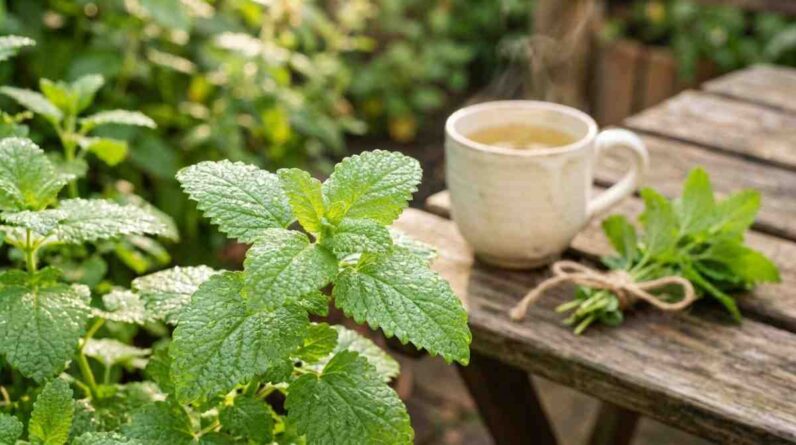
If you grow peppermint at home (it’s one of the easiest herbs to cultivate), keeping fresh leaves on hand for post-meal chewing is a genuinely practical habit. Just make sure you’re using true peppermint rather than spearmint, which contains almost no menthol.
Adding Fresh Leaves to Water
Steeping 5 to 10 fresh peppermint leaves in a glass of cold or warm water for 10 minutes gives you a light peppermint infusion. It won’t match the potency of dried leaf tea, but it’s a pleasant way to support digestion throughout the day. For mild complaints or general digestive wellness, it’s more than adequate.
The key limitation is predictability. Fresh leaves vary in menthol content depending on the plant, season, and growing conditions. If you’re managing a genuine condition like IBS, stick with standardised products like enteric-coated capsules where the dose is consistent.
Peppermint Tea vs. Peppermint Oil Capsules: Which Works Better?
The honest answer is that it depends entirely on what you’re treating.
| Form | Best For | Strength | Reaches Colon? | Notes |
|---|---|---|---|---|
| Fresh Leaves | Mild everyday discomfort | Low | No | Practical, low dose |
| Peppermint Tea | Bloating, gas, indigestion | Moderate | No | Easy and accessible |
| Non-coated Capsules | Stomach discomfort | Moderate | Partially | Can cause heartburn |
| Enteric-Coated Capsules | IBS and cramping | Strong | Yes | Best evidence |
| Tincture | Flexible dosing | Moderate | No | Fast absorption |
For general digestive wellness and everyday bloating, peppermint tea is perfectly adequate and easy to build into a routine. The benefits of peppermint tea extend beyond digestion too, making it a versatile daily herb.
For IBS or lower GI cramping, enteric-coated peppermint oil capsules are the clinically supported option. The coating genuinely matters. Non-coated capsules release menthol in the stomach, which can relax the lower oesophageal sphincter and worsen heartburn in susceptible people.
Important: If you have GERD or frequent acid reflux, avoid non-coated peppermint capsules. The enteric-coated version bypasses the stomach entirely and is considerably safer, though you should confirm this with a doctor.
Curious how peppermint compares to its close relative? See our breakdown of peppermint vs spearmint for digestion and beyond.
How to Use Peppermint for Digestive Relief
Getting the most from peppermint comes down to timing, form, and dosage.
Peppermint Tea: Dosage and Timing
How to prepare it:
- Use 1 to 2 teaspoons of dried peppermint leaf (or one quality tea bag) per cup.
- Pour water at around 90 to 95°C over the leaves.
- Steep for 5 to 7 minutes with the cup covered to prevent volatile oils from evaporating.
- Drink 15 to 20 minutes after meals, or when symptoms arise.
Frequency: 1 to 3 cups daily is the commonly recommended range. There’s no strong evidence that more than 3 cups daily adds meaningful benefit, and high intake can occasionally cause mouth or throat irritation in sensitive individuals.
What to look for: Choose products that list Mentha piperita leaf as the sole ingredient, without artificial flavouring. The real herb has a sharper, more medicinal scent than artificially flavoured versions.
Enteric-Coated Peppermint Oil Capsules
For IBS and lower GI complaints, the standard dosage used in clinical trials is 0.2 to 0.4 mL of peppermint oil per capsule, taken 2 to 3 times daily, 30 to 60 minutes before meals. Taking them before meals reduces the chance of the capsule opening prematurely in the upper GI tract.
Look specifically for the label “enteric-coated” or “gastro-resistant.” Brands like IBgard and Heather’s Tummy Tamers use this formulation. Generic options are available too — just verify the coating is clearly stated.
Who Should Avoid Peppermint for Digestion
Peppermint isn’t appropriate for everyone. Most herb guides wave vaguely at “consult your doctor” without explaining the actual risk. Here’s the specific picture.
GERD and Acid Reflux
This is the most important contraindication. Menthol relaxes the lower oesophageal sphincter (LOS), the valve between your oesophagus and stomach. In a healthy digestive system, that’s helpful for moving food along. If that sphincter is already weak or dysfunctional, relaxing it further allows stomach acid to travel upward, which worsens reflux and heartburn considerably.
If you have diagnosed GERD, or if you regularly experience heartburn after meals, peppermint tea and non-coated capsules can make your symptoms noticeably worse. Enteric-coated capsules bypass the stomach and are less likely to affect the LOS, but you should still proceed cautiously and confirm with a GP or gastroenterologist first. People with acid reflux or GERD should use peppermint cautiously, as it may worsen symptoms by relaxing the lower oesophageal sphincter. The NHS guide to acid reflux and GERD explains how reflux develops and why certain foods and herbs can trigger symptoms.
Link:
https://www.nhs.uk/conditions/heartburn-and-acid-reflux/
Other Cautions to Know
- Hiatal hernia: The same LOS mechanism applies. Avoid unless medically supervised.
- Children under 8: Menthol can cause breathing difficulties in young children. Peppermint oil should not be applied near the face or given internally in this age group.
- Pregnancy: Peppermint tea in moderate amounts is generally considered safe. High-dose peppermint oil is not recommended during pregnancy.
- Drug interactions: Peppermint oil can slow the metabolism of certain medications processed by the CYP3A4 liver enzyme. If you take regular medication, check with a pharmacist before using peppermint oil supplements.
When Peppermint Is Unlikely to Help
Peppermint works by relaxing smooth muscle and modulating pain signals. That mechanism is genuinely helpful for functional gut conditions, but it won’t address structural or inflammatory causes of digestive problems.
Peppermint is unlikely to provide meaningful benefit for:
- Stomach ulcers: The soothing effect doesn’t extend to mucosal damage, and peppermint oil may irritate already compromised stomach lining.
- Inflammatory bowel disease (IBD) flare-ups: Conditions like Crohn’s disease and ulcerative colitis involve immune-mediated inflammation that muscle relaxants don’t address.
- Food poisoning or bacterial infections: These require the body to clear a pathogen. Slowing gut motility could actually prolong the process. Peppermint may help ease cramping associated with gastrointestinal infections, but it does not treat the underlying infection and should not replace appropriate medical care.
- Severe constipation caused by obstruction: Peppermint relaxes muscle tone but cannot resolve a physical blockage.
- Appendicitis or acute surgical conditions: Any sudden, severe abdominal pain should be assessed medically before reaching for any herbal remedy.
Knowing what peppermint can’t do is just as useful as knowing what it can. If your digestive symptoms don’t respond to peppermint within a reasonable timeframe, that’s meaningful information worth taking to a doctor.
What the Research Says
Something like:
Research on peppermint for digestive health is stronger than for most herbal remedies. Multiple meta-analyses and systematic reviews have found peppermint oil particularly effective for IBS symptoms, especially abdominal pain and cramping. Evidence for bloating and indigestion is positive but less extensive than the IBS research.
Frequently Asked Questions
There’s solid mechanistic and clinical evidence that peppermint’s menthol content relaxes GI smooth muscle. Multiple controlled trials, particularly for IBS, confirm real benefits beyond placebo, especially with enteric-coated capsules. Peppermint tea has a lower concentration of active compounds, so effects are milder, but the underlying mechanism is the same.
For acute bloating or gas, peppermint tea can offer noticeable relief within 20 to 30 minutes. For IBS symptoms managed with enteric-coated capsules, clinical studies typically show meaningful improvement after 4 weeks of consistent daily use. Don’t expect immediate results if you’re treating an ongoing condition.
For most healthy adults, daily use of enteric-coated peppermint oil at recommended doses appears safe for short to medium-term use. Studies have used it continuously for up to 8 weeks. Long-term daily use beyond that hasn’t been extensively studied, so cycling on and off is a sensible approach.
Yes, this is one of its most practical uses. The muscle-relaxing and carminative action helps ease the pressure and discomfort of overeating. A cup of peppermint tea 15 to 20 minutes after a heavy meal can measurably reduce that bloated, overfull feeling. Avoid it only if you’re prone to acid reflux.
Peppermint (Mentha piperita) contains 40 to 55% menthol, giving it its strong antispasmodic effect. Spearmint (Mentha spicata) contains only around 0.5 to 1% menthol and has a gentler, sweeter flavour. For digestive complaints, peppermint is significantly more effective. Spearmint is a pleasant herb but not a meaningful therapeutic option for gut issues. Our full comparison of peppermint vs spearmint covers this in more detail.
The Bottom Line
For most people, peppermint earns its reputation as a digestive remedy. Whether you’re dealing with post-meal bloating, trapped gas, or IBS-related cramping, peppermint’s menthol-rich oils help relax the digestive tract and ease discomfort. Just remember that what soothes the intestines can be problematic for acid reflux, making your individual digestive picture the deciding factor.
Start with peppermint tea for mild, everyday complaints. Move to enteric-coated capsules if you’re managing IBS or more persistent cramping. And if your symptoms don’t fit the conditions where peppermint genuinely helps, use that as a prompt to investigate further.
Want to build a broader herbal support routine for your gut? You might also find our roundup of peppermint leaves benefits worth reading if you’re growing or using the fresh herb. cooling sensation
Disclaimer: This article is for educational purposes only and is not intended as medical advice. Always consult a qualified healthcare professional before using medicinal herbs, especially if you are pregnant, nursing, taking medications, or have a medical condition. Read our full Medical Disclaimer.
Affiliate disclosure: This article contains affiliate links. If you purchase through them, we may earn a small commission at no extra cost to you. We only recommend products we genuinely trust.

Researches medicinal plants, herbal wellness, and sustainable gardening practices. Through Herbal Daily Care, she helps readers discover the benefits of growing and using herbs at home.