

Few herbs pack as much into a single aromatic plant as peppermint. Found in home gardens, kitchen windowsills, herbal teas, and traditional remedies around the world, this versatile herb offers far more than a refreshing flavour. Its cooling sensation, distinctive scent, and long history in herbal medicine have made it one of the most widely used plants in the mint family.
Whether you’re growing it at home, stirring a handful of leaves into hot water after dinner, or simply curious about what the research actually says, this guide covers everything you need to know.
Quick Answer: Peppermint leaves are commonly used to support digestion, freshen breath, make herbal tea, ease occasional bloating, and add flavour to foods. Rich in menthol and antioxidant compounds, they may also support respiratory comfort and overall wellness.
What Is Peppermint?
Known botanically as Mentha × piperita, peppermint is a natural hybrid of water mint and spearmint. It has been used for centuries in herbal medicine, culinary traditions, and wellness practices. It has been used across many cultures, from fresh leaf infusions and aromatic steam preparations to the concentrated essential oils studied in clinical research today.
Active Compounds
The plant’s therapeutic properties come largely from a handful of natural compounds:
- Menthol — the primary driver of peppermint’s cooling effect and characteristic aroma; it activates cold-sensitive receptors in the skin and mouth
- Menthone — a naturally occurring compound that contributes to the herb’s distinctive aroma and refreshing, cooling sensation
- Flavonoids — plant-based antioxidants that help protect cells from oxidative stress and contribute to the herb’s overall wellness properties
- Rosmarinic acid — a well-studied antioxidant compound also found in rosemary and basil
- Essential oil — concentrated in the glands of the leaves
Research consistently highlights menthol and rosmarinic acid as the most active therapeutic contributors.
Peppermint vs Spearmint: Which Should You Choose?
Both plants belong to the mint family and share a refreshing quality, but they differ in ways that matter for practical use.
| Feature | Peppermint | Spearmint |
|---|---|---|
| Botanical name | Mentha × piperita | Mentha spicata |
| Origin | Hybrid of water mint and spearmint | Natural species |
| Menthol content | High (40–55%) | Very low (0.5–1%) |
| Flavour | Strong, sharp, intensely cooling | Mild, slightly sweet |
| Common uses | Medicinal, tea, oral care, aromatherapy | Cooking, chewing gum, everyday flavouring |
| Digestive research | Extensively studied | Less researched |
If you’re looking for well-documented health benefits, digestive support, tension headache relief, or a strongly cooling cup of tea, then peppermint is the better choice. Spearmint is milder and better suited to cooking and recipes where a subtle flavour is preferred. Both are easy to grow at home, and it’s worth keeping both on hand.
Nutritional Profile
Peppermint is consumed in small amounts, so it isn’t a significant source of daily nutrition. That said, the leaves do contain a useful micronutrient profile:
- Vitamins A and C
- Folate
- Calcium, potassium, iron, and magnesium
- High concentrations of antioxidant compounds
These plant compounds, particularly the flavonoids and rosmarinic acid which help protect cells from oxidative stress. Regular consumption through tea, culinary dishes, or herbal preparations contributes gently to overall wellness.
Health Benefits of Peppermint
Here’s a look at the main evidence-backed (and traditionally-used) benefits, along with what the research actually supports.
1. Digestive Support
This is the best-known and most widely studied use. Peppermint appears to work by relaxing the smooth muscle lining the digestive tract, reducing spasms and the accumulation of gas.
Multiple randomised controlled trials have found that enteric-coated peppermint oil capsules significantly reduce abdominal pain, bloating, and discomfort in people with irritable bowel syndrome (IBS). A systematic review published in the Journal of Clinical Gastroenterology (2014) concluded that peppermint oil outperforms placebo for IBS symptom relief.
Tea made from the leaves is considerably milder than the concentrated oil used in clinical trials, but many people find it reliably helpful for everyday digestive discomfort after meals.
2. Nausea Relief
The scent of peppermint has a documented calming effect on the stomach. Small clinical studies on postoperative nausea have shown promising results with peppermint aromatherapy, though larger trials are still needed. Anecdotally, many people find that inhaling steam from a freshly brewed cup provides quick relief from mild nausea.
3. Freshening Breath
The antibacterial properties of peppermint, combined with the cooling sensation of menthol, explain why it’s a fixture in oral care products. Chewing a few fresh leaves after meals is one of the oldest breath-freshening remedies and still a practical one. Lab studies have confirmed antibacterial activity against several common oral bacteria, including E. coli and Staphylococcus aureus.
4. Respiratory Comfort
Menthol creates a strong sensation of open, easier breathing by stimulating cold receptors in the nasal passages. It doesn’t treat respiratory conditions, but many people find menthol-containing steam genuinely soothing during seasonal congestion. Adding a few sprigs to a bowl of hot water and inhaling the steam is a simple home practice.
5. Tension Headache Relief
A notable 1994 study (Cephalalgia) found that applying diluted peppermint oil to the forehead and temples provided pain relief comparable to paracetamol for tension-type headaches. The mechanism involves menthol inhibiting serotonin receptors and stimulating cold receptors in the skin. This benefit relates specifically to the essential oil applied topically, not to drinking tea.
Important: Always dilute essential oil in a carrier oil before applying to skin, and follow product instructions carefully.
6. Menstrual Cramp Relief
Some preliminary research suggests that menthol’s antispasmodic properties may help ease menstrual cramps. The evidence is early and not conclusive. Consult a healthcare provider before using peppermint for this purpose, and avoid high doses during pregnancy.
7. Antioxidant Protection
Flavonoids and rosmarinic acid in the plant have well-documented antioxidant activity in laboratory settings. While this doesn’t translate directly to specific health claims, a diet rich in antioxidant-containing plants is consistently associated with better long-term health outcomes.
8. Culinary Versatility
Fresh leaves add bright flavour to salads, smoothies, yoghurt, desserts, sauces, grain dishes, and beverages — without sugar or artificial ingredients. This is one of the easiest ways to use the herb daily.
A Note on the Research
Most of the strongest clinical evidence relates to concentrated peppermint oil (typically in enteric-coated capsules), not leaf tea. The tea is considerably milder and delivers a lower dose of active compounds. That said:
- For everyday digestive comfort and mild symptoms, the tea is a practical and well-tolerated option
- For specific conditions like IBS, the evidence supports the oil capsule form — discuss this with a GP or gastroenterologist
- According to the National Centre for Complementary and Integrative Health (NCCIH), peppermint oil is generally considered safe for most adults when used as directed, though concentrated forms warrant caution.
Peppermint Tea
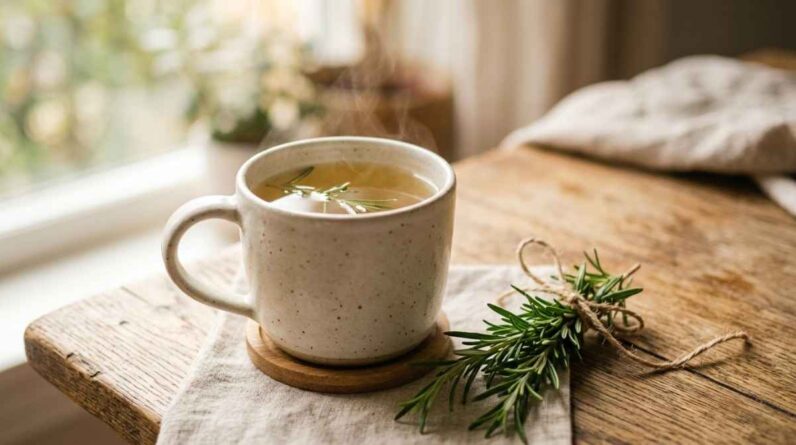
Brewing an infusion from the leaves is the simplest way to incorporate peppermint into a daily routine. Unlike black or green tea, it contains no caffeine, making it equally suitable first thing in the morning or as an evening wind-down drink.
If you’re specifically interested in the advantages, risks, and daily use of peppermint tea, see our complete guide to Peppermint Tea Benefits and Side Effects: What You Need to Know.
How to Make It
Using fresh leaves:
- Add 10–15 fresh leaves to a cup
- Pour hot (not boiling) water over them
- Cover and steep for 5–10 minutes
- Strain and enjoy warm or cold
Fresh vs Dried Leaves
Using dried leaves or a tea bag: Steep for 3–5 minutes. Honey or lemon can be added to taste.
| Fresh | Dried | |
|---|---|---|
| Flavour | Bright and vibrant | Deeper, more concentrated |
| Aroma | Very strong | Slightly mellow |
| Shelf life | A few days refrigerated | 6–12 months in an airtight container |
| Best for | Tea, garnishes, smoothies, infused water | Everyday tea, herbal blends, travel |
From personal experience growing the plant at home, freshly harvested leaves produce the most vibrant cup, but dried leaves are excellent for consistent, year-round use.
How much to drink: Most people enjoy one to three cups a day without issue. If you have acid reflux or GERD (see Safety section below), speak to your doctor before making it a regular habit.
Other Ways to Use Peppermint at Home
Infused water — Add a few fresh sprigs to a pitcher of cold water with lemon or cucumber. A refreshing, sugar-free alternative to flavoured drinks.
Cooking — Fresh mint works well in both sweet and savoury dishes: grain salads, lamb dishes, fresh salsas, fruit salads, herbal syrups, and summer beverages. It’s a staple of Mediterranean and Middle Eastern cooking.
Steam inhalation — Brew a strong infusion, lean over the cup with a towel draped over your head, and breathe in the steam. Useful during seasonal congestion.
Relaxing bath soak — Add a handful of fresh or dried leaves to warm bath water. The cooling sensation makes this particularly pleasant in warm weather.
Homemade herbal blends — Dried peppermint combines well with chamomile, lemon balm, or ginger in custom tea blends.
Safety and Side Effects
For most healthy adults, moderate use of the herb, whether as leaf tea, fresh culinary additions, or dried preparations, is considered safe and well-tolerated.
Possible side effects include:
- Heartburn or acid reflux, particularly at high intake
- Digestive irritation in sensitive individuals
- Allergic reactions (uncommon)
People with GERD should avoid peppermint. The herb relaxes the lower oesophageal sphincter, which can worsen reflux symptoms significantly. This applies to both the tea and the oil.
Peppermint Oil Safety
The essential oil is far more concentrated than the leaves and requires specific precautions:
- Never apply undiluted oil directly to skin
- Enteric-coated capsules are the safest form for internal use, as they bypass the oesophagus
- Consult a healthcare provider before using oil capsules for therapeutic purposes
Exercise extra caution if you are: pregnant or breastfeeding, taking prescription medications, managing chronic digestive conditions, or considering high-dose supplementation.
Growing Peppermint at Home
This is one of the easiest herbs to grow, and having a fresh plant on hand is the best way to ensure a steady supply of leaves year-round.
Growing Conditions
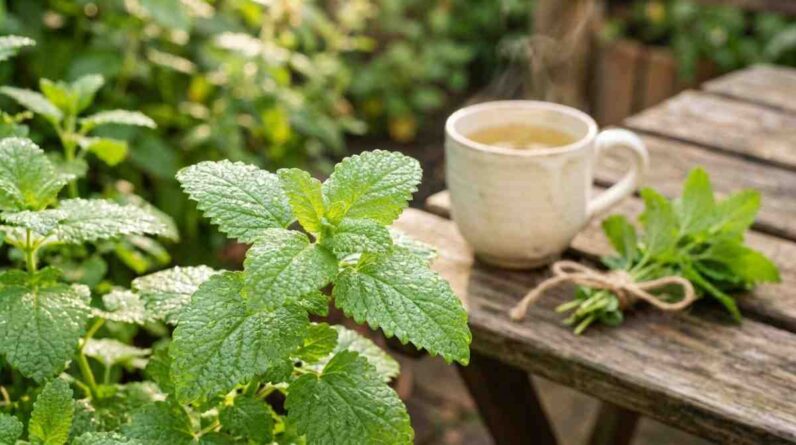
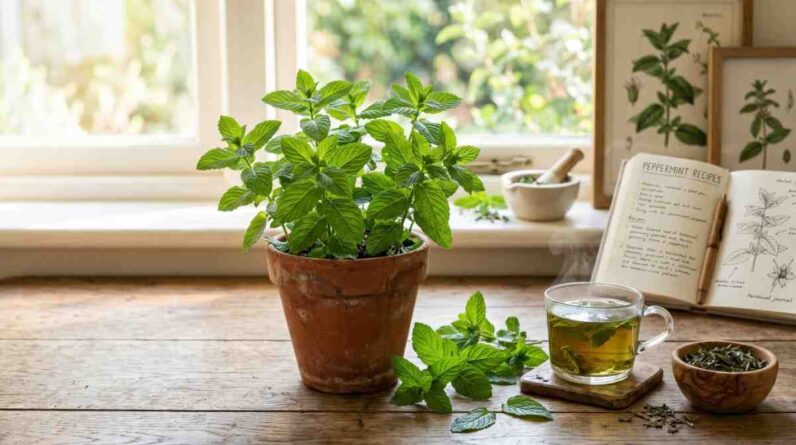
Peppermint prefers partial to full sun, moist and well-drained soil, and regular watering. It spreads vigorously via underground runners. Growing it in a container is often the wisest approach to keep it from overtaking other plants. A pot on a sunny windowsill works well for indoor growing throughout the year.
Harvesting
Harvest in the morning when essential oil concentration is highest, cutting stems just above a leaf node. Use fresh leaves immediately for the most vibrant flavour. Dry any surplus harvest by hanging stems in a warm, well-ventilated space, then store in an airtight container away from direct light.
A useful tip from years of home growing: harvesting frequently, rather than letting the plant grow unchecked produces healthier, bushier plants and more abundant leaves.
If peppermint has sparked an interest in growing medicinal herbs more broadly, our guide to medicinal herbs for beginners covers a range of easy-to-grow plants with well-established therapeutic uses.
Storage
- Fresh leaves: Wrap loosely in a damp paper towel, store in the refrigerator, and use within a week.
- Dried leaves: Airtight container, away from sunlight. Use within 6–12 months for best quality.
Frequently Asked Questions
Yes. Most healthy adults can safely eat fresh leaves in moderate amounts as part of a balanced diet.
Many people find it reliably helpful for post-meal bloating and digestive discomfort. The clinical evidence is strongest for the concentrated oil form, but the tea provides meaningful mild relief for everyday symptoms.
Peppermint has a much higher menthol content (40–55% vs 0.5–1% in spearmint), giving it a stronger, sharper cooling effect. Spearmint is milder and sweeter — better for everyday cooking, where a subtler taste is preferred.
Yes, completely. Unlike green or black tea, it contains no caffeine at all, which makes it a popular choice for evenings
Yes — both its antibacterial properties and the cooling effect of menthol make it effective for freshening breath. Chewing a few fresh leaves after meals is a long-standing remedy with some scientific backing.
Excessive intake can cause heartburn or aggravate reflux. For most people, one to three cups daily is comfortable. Those with GERD should avoid it altogether.
No. Although both belong to the mint family, peppermint contains significantly more menthol, giving it a stronger cooling sensation and more potent digestive effects. Spearmint has a sweeter taste and is often preferred for everyday herbal teas. Learn more in our Peppermint vs Spearmint comparison guide.
References
- National Centre for Complementary and Integrative Health (NCCIH). Peppermint Oil. U.S. Department of Health & Human Services.
- Khanna R, MacDonald JK, Levesque BG. Peppermint oil for the treatment of irritable bowel syndrome: a systematic review and meta-analysis. Journal of Clinical Gastroenterology, 2014.
- Göbel H, Schmidt G, Soyka D. Effect of peppermint and eucalyptus oil preparations on neurophysiological and experimental algesimetric headache parameters. Cephalalgia, 1994.
For more herbal wellness inspiration, explore our guides on safe herbs for everyday use and the best medicinal herbs to grow indoors.
Affiliate Disclosure: This article may contain affiliate links. If you purchase through these links, we may earn a small commission at no extra cost to you.

Researches medicinal plants, herbal wellness, and sustainable gardening practices. Through Herbal Daily Care, she helps readers discover the benefits of growing and using herbs at home.