

This article may contain affiliate links. If you buy through them, we may earn a small commission at no extra cost to you.
This article is for informational purposes only and isn’t a substitute for professional medical advice. Always talk to a healthcare professional about your liver health or before starting or stopping any medication or supplement.
Quick Answer
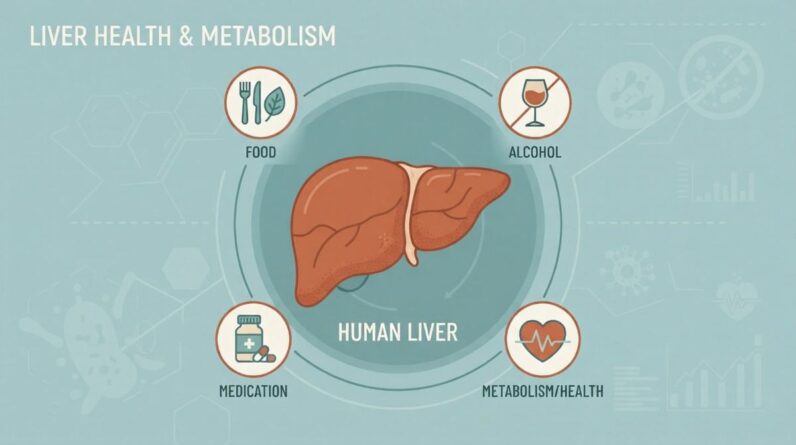
Liver health is affected by diet, body weight, blood sugar and insulin resistance, cholesterol, alcohol use, certain medications and supplements, viral hepatitis, genetics, and physical activity. Fatty buildup, inflammation, and scarring (fibrosis) develop when these factors combine over time. Managing weight, limiting alcohol, and reviewing medications with a healthcare professional supports liver protection.
Your liver quietly runs hundreds of jobs at once: filtering your blood, breaking down toxins, storing energy, and making the proteins that keep you alive. Most people never think about it until something feels off. But liver health doesn’t decline overnight. It responds, slowly and steadily, to what you eat, how much you drink, which medications you take, and even how your blood sugar behaves day to day. This guide walks through the main factors that affect liver health, what the science actually supports versus what’s still unproven, and practical steps for liver protection. It’s written for anyone curious about their liver, not just people with a diagnosis.
What Does a Healthy Liver Actually Do?
Liver health simply means how well your liver performs its everyday jobs. Your liver is the largest internal organ, sitting under your right ribcage, and it works nonstop. Bile production is one of its core jobs, helping digest fat; it also makes albumin (a protein that carries hormones and drugs through your bloodstream) and plays a role in blood clotting.
Your liver filters your blood as part of ongoing detoxification, breaking down toxins and waste so your body can get rid of them, and it supports immune function by filtering bacteria from the blood. When the liver is healthy, this happens quietly in the background. If it’s damaged, fat can build up in liver cells, inflammation can set in, and over years, scar tissue called liver fibrosis can replace healthy liver tissue. Left unaddressed, this can progress toward cirrhosis, an advanced liver disease stage that’s often permanent. Many liver diseases develop this way, silently, over years.
Diet, Body Weight, and Liver Health: Non-Alcoholic Fatty Liver Disease (NAFLD)
What you eat affects liver health more than most people realize. Diets heavy in processed foods, added sugar, and high-fructose corn syrup encourage fat to build up inside liver cells, a condition called non-alcoholic fatty liver disease (NAFLD). Carrying extra body weight, especially visceral fat around the middle, raises this risk further, because that fat tissue releases fatty acids that travel straight to the liver.
A diet high in refined carbohydrates and sugar can also push the liver to convert extra glucose into stored fat. Over time, this can progress from simple steatosis (fat without much inflammation) to non-alcoholic steatohepatitis, or NASH, where inflammation and early liver cell damage set in.
NAFLD is extremely common, affecting roughly 25 to 35 percent of adults, with rates climbing to 60 to 80 percent among people who are obese or have type 2 diabetes. This overlaps closely with the next factor, since diet, weight, and blood sugar rarely act alone.
The reassuring part is that NAFLD is one of the more reversible liver conditions. Modest weight loss of 5 to 10 percent of body weight is one of the most consistently supported ways to reduce liver fat, and cutting back on ultra-processed foods and sugary drinks is a sensible first step for liver protection.
Blood Sugar, Insulin Resistance, and Your Liver
Your liver and your blood sugar are more connected than most people expect, and it plays a central role in blood sugar regulation. A healthy liver stores extra glucose as glycogen and releases it back into the bloodstream between meals to keep blood glucose levels steady. It also responds to insulin, the hormone that tells cells to absorb glucose from the blood; regular physical activity is one of the more reliable ways to improve insulin sensitivity over time.
When cells become less responsive to insulin, a state called insulin resistance, the pancreas produces more insulin to compensate. This chronic high insulin level increases the release of fatty acids from fat tissue and pushes more of them toward the liver, where they’re converted into stored fat. Research indicates insulin resistance is present in nearly all patients with NAFLD and plays a central role in the disease progressing toward NASH and fibrosis.
The relationship also runs in reverse: once fat builds up in the liver, the organ becomes less able to respond to insulin and less able to clear it from the blood, worsening both conditions together. People with type 2 diabetes carry a meaningfully higher risk of fatty liver disease for this reason, and managing blood sugar is one of the more effective ways to interrupt the cycle.
Cholesterol, Triglycerides, and Liver Fat
Cholesterol and liver health are tied together in both directions. The liver produces most of the cholesterol in your body and clears excess cholesterol from your bloodstream. When cholesterol and triglyceride levels stay high for a long time, especially alongside insulin resistance, more fat tends to accumulate in liver cells.
High triglycerides are a common finding in people with NAFLD, and the two conditions often show up together as part of a broader pattern called metabolic syndrome, which touches nearly every marker of metabolic health, including blood pressure, blood sugar, and body weight. A liver already storing excess fat has a harder time regulating cholesterol and triglycerides, which can make blood work numbers harder to manage even with medication. This is one reason healthcare professionals often check a full lipid panel alongside liver function tests.
Alcohol and Liver Damage
Alcohol is one of the most well-established causes of liver damage, and the relationship is dose-dependent: more alcohol generally means more risk. The liver processes nearly all the alcohol you drink, generating byproducts that are directly toxic to liver cells. Regular heavy drinking can lead to alcohol-associated fatty liver, alcoholic hepatitis, and eventually cirrhosis, a severe liver damage outcome. Alcohol-associated liver disease remains a major cause of liver problems worldwide, and even moderate drinking can add to liver strain when combined with obesity, high blood sugar, or certain medications.
Practicing moderation, or avoiding alcohol altogether if you already have a liver condition, is consistently one of the highest-impact steps for liver protection. Cutting back sharply after years of heavy use is best done under medical supervision.
Medications and Supplements That Can Affect Liver Function
Not every liver stressor is dietary. An estimated 1,000 medications and herbal products have been associated with liver damage in research to date. Acetaminophen (paracetamol) is one of the most common causes of drug-induced liver injury, particularly above the recommended dose or combined with alcohol. Other medications linked to liver injury include certain NSAIDs, some antibiotics, anti-seizure drugs, and methotrexate, and injury can occasionally be severe. Liver injury from these drugs can appear within days or take months, which is why providers often order periodic liver function tests for people on long-term prescriptions.
Herbal and dietary supplements aren’t automatically safer just because they’re natural. Cases of supplement-related liver injury have nearly tripled over the past two decades, and researchers have flagged kava, kratom, chaparral, skullcap, green tea extract, and high-dose turmeric extract as botanicals associated with liver toxicity in some users. This matters especially for anyone using several herbal products at once, since supplements aren’t regulated the way prescription drugs are and active-compound doses vary a lot between brands. Green tea extract is one ingredient worth looking at more closely. Our FIMAVYN review examines the formula’s green tea extract, other ingredients, and the potential safety considerations. If you take prescription medications and are considering an herbal supplement, it’s worth reviewing the combination with a healthcare professional first, since your liver has to process everything you take, one way or another.
If you’re comparing supplements for liver support, our HepatoBurn vs. Liv Pure comparison offers a closer look at the ingredients, evidence, safety, pricing, and key differences between these products.
Liver Health Risk Factors at a Glance
The factors above interact rather than acting alone. This table breaks each one down by how it affects the liver and what’s actually within your control, since modifiable factors are where liver protection efforts pay off the most.
| Factor | Modifiable? | How It Affects the Liver | What Helps |
|---|---|---|---|
| Diet & Body Weight | 🟢 Yes | Drives fat buildup (NAFLD) | Fewer ultra-processed foods, gradual weight loss |
| Blood Sugar / Insulin Resistance | 🟢 Yes | Increases fat delivery to liver cells | Manage blood sugar, stay active |
| Cholesterol & Triglycerides | 🟢 Yes | Worsens fat storage in the liver | Lipid panel monitoring, dietary changes |
| Alcohol Use | 🟢 Yes | Directly toxic to liver cells | Reduce or avoid alcohol |
| Medications & Supplements | 🟡 Partially | Can trigger drug-induced liver injury | Review doses with a healthcare professional |
| Viral Hepatitis (B, C) | 🟡 Partially | Causes chronic liver inflammation | Vaccination (hep B), testing, treatment |
| Genetics | 🔴 No | Sets baseline risk (e.g., hemochromatosis) | Awareness, earlier screening with family history |
| Physical Activity | 🟢 Yes | Low activity is linked to higher NAFLD risk | Regular movement, even brisk walking |
Hepatitis, Genetics, and Physical Activity
Some liver risk factors have little to do with lifestyle. Viral hepatitis B and C cause chronic liver inflammation and are major causes of cirrhosis and liver cancer worldwide; hepatitis B has a vaccine, and hepatitis C can now be cured with modern antiviral treatment when caught early. Genetics also plays a role: conditions like hemochromatosis, where the body absorbs too much iron, can quietly damage the liver over years regardless of diet or alcohol use, so a family history of liver disease is a reasonable prompt to ask about earlier screening.
Physical activity, by contrast, is squarely modifiable. Sedentary lifestyles are linked to higher rates of NAFLD independent of body weight, since muscle helps clear glucose and fat from the bloodstream, and regular movement has been associated with reduced liver fat even without major weight loss.
How to Protect Your Liver
Most of the factors above point toward the same handful of actions: limiting alcohol, reducing ultra-processed foods and added sugar, staying physically active, and maintaining a healthy body weight. A healthy lifestyle that combines these habits does more for long-term health than any single change on its own, and reviewing medications and supplements with a healthcare professional, rather than assuming natural means risk-free, closes another common gap.
Herbs like milk thistle have traditionally been used to support liver health for centuries, and researchers have studied its active compound, silymarin, for possible liver-protective effects, including antioxidant activity that may help offset oxidative stress in liver cells. Clinical evidence in humans remains limited and mixed, so it’s best viewed as a traditional, supportive habit rather than a treatment for existing liver disease. The same caution applies to dandelion root and turmeric: traditional use is well documented, but strong modern proof is still limited. None of this replaces medical care; herbs and lifestyle changes work alongside standard treatment, especially with a diagnosed liver condition.
Liver Function Tests: When to Get Checked
Liver function tests are a group of blood tests that measure liver enzymes and proteins, including ALT, AST, ALP, GGT, albumin, and bilirubin. ALT and AST rise when liver cells are injured or inflamed, with ALT considered more liver-specific, since AST also comes from muscle and heart tissue. ALP and GGT tend to rise together mainly when bile flow is affected.
Mildly elevated results don’t always mean liver disease. Muscle strain, certain medications, and even recent intense exercise can temporarily raise these numbers. Signs of liver dysfunction often go unnoticed at first, so if your results come back elevated, or if you have risk factors like obesity, heavy alcohol use, or a family history of liver disease, it’s worth asking for a full liver panel. Consult a healthcare professional rather than waiting for symptoms of a bigger liver issue to appear.
Frequently Asked Questions
What is the biggest factor that affects liver health? For most people without a diagnosis, diet and body weight have the biggest day-to-day impact, since they directly drive fat buildup in the liver. Alcohol and certain medications can outweigh this for heavier users.
Can liver damage be reversed? Early-stage fatty liver (NAFLD) is often reversible with weight loss, dietary changes, and less alcohol. Fibrosis is harder to reverse, and cirrhosis, the most advanced stage, is generally considered permanent.
Do liver supplements actually work? Some, like milk thistle, have a long traditional-use history and promising lab research, but human clinical evidence remains limited. Supplements aren’t a substitute for treating the underlying cause.
How do I know if my liver is unhealthy? Early liver disease often has no symptoms. Liver function tests, ordered by a healthcare professional, are the most reliable early indicator, since symptoms like jaundice typically show up only in later stages.
Does sugar affect liver health as much as alcohol? Excess sugar, especially high-fructose corn syrup, contributes to fat buildup through a different pathway than alcohol, but both can lead to similar outcomes, including NAFLD and fibrosis, over time.
Conclusion
Liver health rarely comes down to one single cause. Diet, body weight, blood sugar, cholesterol, alcohol, medications, and a few factors outside your control all interact over time, which is exactly why the reversible factors are worth focusing on early to help prevent liver damage before it starts. Small, consistent changes, like cutting back on processed food and alcohol, staying active, and getting periodic blood tests, add up more than any single supplement ever will and support your overall health well beyond the liver. A healthcare professional can help you figure out which of these steps matter most to keep your liver, and the rest of your body, working well.
References
- Johns Hopkins Medicine, “Liver Health” (https://www.hopkinsmedicine.org/health/conditions-and-diseases/liver-health)
- Cleveland Clinic, “Liver Disease: Symptoms, Causes, Stages & Treatment” (https://my.clevelandclinic.org/health/diseases/17179-liver-disease)
- GoodRx, “10 Foods That Are Bad for Your Liver (and Why)” (https://www.goodrx.com/health-topic/liver/foods-bad-for-liver)
- NAFLD and insulin resistance review, National Center for Biotechnology Information (https://www.ncbi.nlm.nih.gov/pmc/articles/PMC9225139/)
- AARP, “Medications That Harm Liver” (https://www.aarp.org/health/drugs-supplements/medications-that-harm-liver/)
- AARP, “Supplements That Can Harm Liver” (https://www.aarp.org/health/drugs-supplements/supplements-that-can-harm-liver/)
- Mayo Clinic, “Liver Function Tests” (https://www.mayoclinic.org/health/liver-function-tests/MY00093)
- Cleveland Clinic, “Liver Tests: What Do They Say About Your Health” (https://health.clevelandclinic.org/liver-tests-what-do-they-say-about-your-health)

Written by cskoch, who researches medicinal plants and herbal wellness at Herbal Daily Care. This guide is research-based: we reviewed published trials, meta-analyses, and the manufacturer’s own sales page. We did not purchase or test the product, and we do not claim first-hand results.