

HepatoBurn vs. Liv Pure and Other Liver Supplements: Full Comparison
Ingredients, dose transparency, evidence, safety, pricing, guarantees, and what actually separates these supplement categories.
Quick Answer: HepatoBurn vs. Liv Pure
HepatoBurn and Liv Pure are close comparisons because current public-facing pages show the same two-complex structure and overlapping named ingredients. The bigger issue is dose transparency: individual amounts are not publicly disclosed, making direct comparison with human study doses difficult.
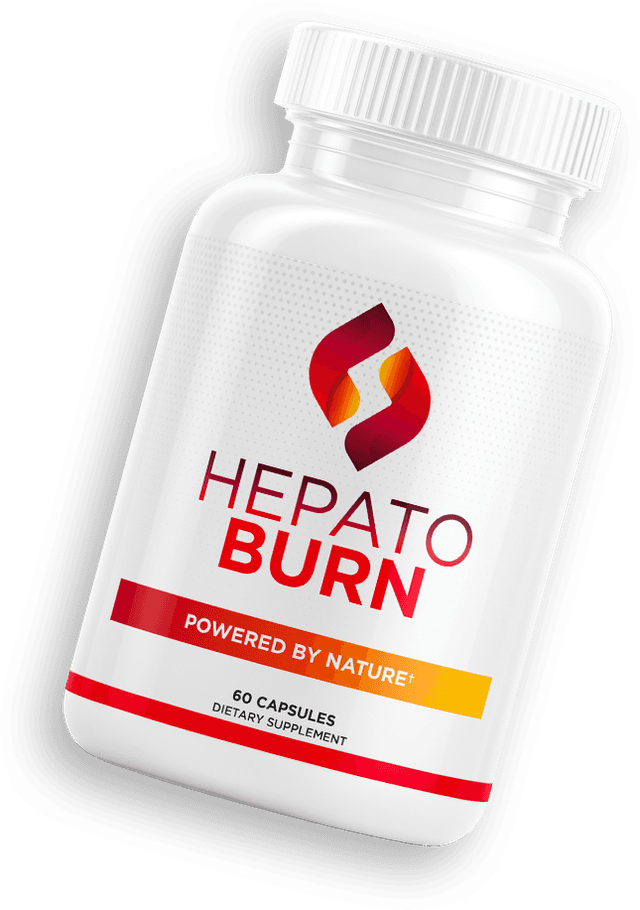
HepatoBurn — Current Offer
If you have finished the comparison and want to check the current package pricing, use the affiliate link below to view the vendor offer.
Current listed packages: 2 bottles $158, 3 bottles $207, or 6 bottles $294. The vendor currently states a 60-day money-back guarantee.
HepatoBurn at a Glance
What the vendor clearly states
- HepatoBurn is sold as a dietary supplement.
- The formula is divided into a Liver Fat-Burning Complex and a Liver Purification Complex.
- Ten ingredients are named publicly.
- Three package options and a 60-day guarantee are currently listed.
What the vendor does not establish
- That HepatoBurn itself has been tested in a randomized clinical trial.
- That its ingredient doses match doses used in human studies.
- That the product causes a specific amount of weight loss.
- That “detoxification” claims represent a clinically established treatment effect.
What Is in HepatoBurn?
The current HepatoBurn sales page lists two proprietary complexes. The Liver Fat-Burning Complex contains resveratrol, Camellia sinensis, genistein, chlorogenic acid, and choline. The Liver Purification Complex contains silymarin, betaine, berberine, molybdenum, and glutathione.
| Ingredient | Why the vendor includes it | What the evidence can reasonably support | Dose publicly disclosed? |
|---|---|---|---|
| Silymarin | Liver-support positioning | LIMITED / MIXED NCCIH says high-quality evidence is insufficient for definite conclusions. | No |
| Betaine | Liver-support positioning | LIMITED Has established nutritional and metabolic roles, but that does not prove a weight-loss effect from this product. | No |
| Berberine | Metabolic and liver-support positioning | MIXED Human research exists, but results vary and study doses differ. | No |
| Molybdenum | Detoxification positioning | ESTABLISHED NUTRIENT Essential trace mineral; that does not establish a weight-loss or “flush” effect. | No |
| Glutathione | Antioxidant/liver positioning | LIMITED Biological role is established, but product-level health outcomes require separate evidence. | No |
| Camellia sinensis | Metabolism/fat-burning positioning | LIMITED Green tea extracts have been studied, but concentrated extracts also have safety considerations. | No |
| Resveratrol | Metabolic support | LIMITED Research exists, but evidence does not establish HepatoBurn as a weight-loss treatment. | No |
| Genistein | Antioxidant/anti-inflammatory positioning | LIMITED Ingredient-level research should not be confused with finished-product evidence. | No |
| Chlorogenic acid | Calorie-burning/metabolism positioning | LIMITED Human evidence is not equivalent to proof of this formulation. | No |
| Choline | Fat metabolism and cognitive support | ESTABLISHED NUTRIENT Choline has essential physiological roles; adequacy is different from supplementation for weight loss. | No |
Does HepatoBurn Work?
This is where a careful review needs to separate three different questions: Does an ingredient have human research? Does the dose in the product match the research? And has the finished product itself been tested?
Berberine is the clearest example
Berberine has been studied for metabolic outcomes, but the evidence is not a simple yes-or-no story. NCCIH’s current summary says weight effects were seen mainly in studies using more than 1 gram per day for more than eight weeks, while also noting inconsistent outcomes and substantial variation in formulations and study populations.
A 2024 randomized, double-blind, placebo-controlled trial in 70 people with metabolic-associated fatty liver disease used 1,500 mg of berberine daily for 12 weeks. The berberine group had statistically significant reductions in ALT and de Ritis ratio compared with placebo. That is evidence about the studied berberine intervention—not proof that HepatoBurn delivers the same dose or produces the same result.
A later multicenter randomized clinical trial in diabetes-free adults with obesity and MASLD tested 1 g/day of berberine for six months. The study was specifically designed to examine visceral fat and liver fat, showing why product claims need to be checked against the exact outcomes and population studied.
Silymarin has a long research history, but conclusions remain limited
NCCIH states that there is not enough high-quality evidence to reach definite conclusions about milk thistle’s effects on health conditions in people. Trials in liver diseases have been conflicting or too limited for firm conclusions, and two NCCIH-funded studies did not show benefit from silymarin for the conditions studied.
The important takeaway
HepatoBurn contains ingredients with legitimate scientific literature behind them. That is not the same as saying HepatoBurn has been clinically proven. The finished-product evidence gap and undisclosed individual doses are the two most important limitations for a buyer comparing this formula with research.
HepatoBurn vs. Liv Pure
This is the most unusual part of the comparison. Current public-facing Liv Pure pages also describe a two-complex formula and name the same ten ingredients used by HepatoBurn: silymarin, betaine, berberine, molybdenum, glutathione, Camellia sinensis, resveratrol, genistein, chlorogenic acid, and choline.
That means the comparison is less about finding a completely different ingredient philosophy and more about examining label transparency, current pricing, seller terms, and independent evidence.
| Feature | HepatoBurn | Liv Pure |
|---|---|---|
| Two-complex structure | Yes | Yes |
| Named ingredients | 10 | 10 on current public-facing pages |
| Shared ingredients | Silymarin, betaine, berberine, molybdenum, glutathione, Camellia sinensis, resveratrol, genistein, chlorogenic acid, choline | |
| Individual milligram amounts | Not publicly disclosed on the vendor page reviewed | Not publicly disclosed on the product pages reviewed |
| 60-day guarantee | Yes | Yes on current seller pages reviewed |
| Current package pricing found | $158 / $207 / $294 | $158 / $207 / $294 on current pages reviewed |
| Finished-product clinical trial located | No | No |
If you are comparing the two products specifically, the current evidence does not provide a reliable scientific basis for declaring one clinically superior. The more useful question is whether the seller gives you enough information to understand what you are buying.
HepatoBurn vs. Other Liver Supplements
| Option | What you are buying | Transparency | Evidence question |
|---|---|---|---|
| HepatoBurn | Multi-ingredient liver/metabolic blend | Ten named ingredients; individual doses not disclosed | Does the finished product deliver studied ingredients at useful doses? |
| Standalone silymarin | One milk-thistle-derived ingredient | Usually easier to identify the labeled amount | NCCIH says liver-disease evidence remains conflicting or limited |
| Standalone berberine | One metabolic compound | Usually easier to compare with study doses | Human evidence exists, but weight and liver outcomes are mixed |
| Green-tea extract | Concentrated Camellia sinensis extract | Depends on label and standardization | Some benefits have been studied, but concentrated extracts have safety concerns |
| Stimulant fat burner | Often caffeine/stimulant-centered | Active stimulant amount is often listed | Different mechanism and different side-effect considerations |
Standalone silymarin
The main advantage is straightforward labeling. If you buy a single-ingredient product, you can usually see how much of that ingredient is supplied. The disadvantage is that you are no longer buying the broader combination marketed by HepatoBurn.
The evidence also needs to stay in perspective. NCCIH does not consider the human evidence strong enough for definite conclusions about milk thistle’s effects on health conditions.
Standalone berberine
A standalone berberine product makes dose comparison easier. However, easier dose comparison does not mean the ingredient is automatically appropriate for everyone. NCCIH notes gastrointestinal side effects and medication interactions, and advises people taking medicines to consult a healthcare professional.
Stimulant-based fat burners
Stimulant-based products are a different category. They may be designed around caffeine or other stimulants rather than the liver-support positioning used by HepatoBurn. That changes what you should compare: stimulant dose, sleep effects, blood pressure, heart rate, tolerance, and medication interactions become more central.
HepatoBurn Safety and Side Effects
The current vendor page presents HepatoBurn as a natural, non-habit-forming product and says there are no meaningful side effects. Those are vendor statements, not independent clinical findings.
Green tea extract deserves attention
NCCIH reports that concentrated green-tea extracts in tablets or capsules have been associated, uncommonly, with liver injury. Green tea as a beverage has a different safety profile. This distinction matters because HepatoBurn lists Camellia sinensis as part of its proprietary formula.
Berberine and medication interactions
NCCIH reports gastrointestinal side effects with berberine and notes that it can interact with medicines. It should not be used during pregnancy or breastfeeding and should not be given to infants.
Milk thistle
Milk thistle is generally well tolerated orally, but digestive symptoms and allergic reactions can occur. NCCIH also advises people taking medicines to discuss milk thistle or other herbal products with a healthcare provider.
For broader guidance, see Herbal Supplements & Medication Safety.
Is HepatoBurn Legitimate?
HepatoBurn is a live commercial supplement offer with a functioning vendor page, published package prices, named ingredients, and a stated 60-day refund policy. Those facts establish that the offer exists; they do not establish that the product delivers the health or weight-loss outcomes claimed in its marketing.
The main credibility limitation is the gap between the sales page and independent evidence. The vendor makes strong claims about detoxification, metabolism, and rapid fat loss, while the independent research located for this comparison is mainly ingredient-level research rather than clinical testing of the finished HepatoBurn formula.
The vendor also describes its facility as FDA registered and GMP certified. That should not be interpreted as FDA approval of HepatoBurn. Dietary supplements are not approved by the FDA before marketing in the same way prescription drugs are.
HepatoBurn Price and 60-Day Guarantee
The current HepatoBurn vendor page lists three packages. Prices can change, so verify the checkout page before placing an order.
| Package | Supply | Total | Per bottle | Shipping |
|---|---|---|---|---|
| 2 bottles | 60 days | $158 | $79 | Shipping added |
| 3 bottles | 90 days | $207 | $69 | Shipping added |
| 6 bottles | 180 days | $294 | $49 | Free shipping stated |
What the guarantee actually says
The vendor currently states a 60-day money-back guarantee and says customers can return the product, including empty bottles, for a refund less shipping and handling. The seller also states that the purchase is a one-time payment rather than an autoship subscription.
Check the current HepatoBurn offer
If you have reviewed the formula and want to see the current package options, use the vendor checkout rather than relying on an old price displayed in a review.
Compare Before You Buy
For a broader review of the formula, evidence, safety issues, and refund terms, see our complete HepatoBurn review.
HepatoBurn Pros and Cons
Potential advantages
- Ten named ingredients are publicly identified.
- Formula includes ingredients with human research, including berberine and silymarin.
- Multiple package options are currently listed.
- A 60-day refund policy is stated by the vendor.
- No stimulant-centered positioning is used on the current product page.
Important limitations
- Individual ingredient doses are not disclosed on the public vendor page.
- No finished-product clinical trial was located in this review.
- Some marketing claims are stronger than the independent evidence supports.
- Green-tea extract and berberine create safety/interactions questions for some users.
- A proprietary blend makes direct comparison with published study doses difficult.
Who Might Consider HepatoBurn?
HepatoBurn may appeal to adults looking for a broad, non-stimulant-positioned supplement rather than a single ingredient. The formula is especially relevant to people who want to investigate liver-support and metabolic ingredients in one product.
That does not make it a treatment for fatty liver disease, diabetes, unexplained weight gain, or another diagnosed condition. If you have abnormal liver enzymes, persistent abdominal symptoms, jaundice, or another concerning symptom, medical evaluation is more important than choosing a supplement.
If your main priority is matching a specific ingredient to published research, a transparently labeled single-ingredient product can make that comparison easier.
Bottom Line: HepatoBurn vs. Liv Pure and Other Supplements
HepatoBurn is a real multi-ingredient supplement with a publicly named formula, current package pricing, and a 60-day guarantee. The central limitation is not that its ingredients have never been studied. It is that the finished product has not been clinically established, and the individual ingredient doses are not publicly disclosed.
The comparison with Liv Pure is particularly interesting because current public-facing pages show the same ten named ingredients and similar two-complex positioning. That makes it difficult to justify a claim that one is clinically superior based on the ingredient list alone.
For standalone silymarin or berberine, the main advantage is dose transparency. For stimulant-based fat burners, the mechanism and safety questions are different. The most useful buyer checklist is therefore simple: check the exact label, identify the dose, examine the evidence for the specific outcome you care about, and review interactions before buying.
Frequently Asked Questions
Is HepatoBurn the same as Liv Pure?
They are separately marketed products, but current public-facing pages reviewed for this comparison show the same ten named ingredients and the same two-complex structure. Similar public formulas do not by themselves establish identical manufacturing, dose, or clinical performance.
Does HepatoBurn contain berberine?
Yes. The current HepatoBurn vendor page lists berberine in its Liver Purification Complex. The individual amount is not disclosed on that public page.
How much does HepatoBurn cost?
The current vendor page lists $158 for two bottles, $207 for three bottles, and $294 for six bottles. The per-bottle prices are $79, $69, and $49 respectively.
Does HepatoBurn have a money-back guarantee?
Yes. The vendor currently states a 60-day money-back guarantee and says empty bottles may be returned, less shipping and handling.
Does HepatoBurn have clinical trials?
No finished-product clinical trial was located in the sources reviewed for this article. Some individual ingredients in the formula have been studied in human trials.
Can HepatoBurn cause side effects?
Potential side effects depend on the ingredients and the individual. Berberine can cause gastrointestinal symptoms and interact with medicines. Concentrated green-tea extracts have also been associated, uncommonly, with liver injury. Discuss the complete formula with a healthcare professional if you take medication or have a health condition.
Is HepatoBurn a treatment for fatty liver disease?
No. It is marketed as a dietary supplement. It should not be treated as a replacement for diagnosis or medical treatment of fatty liver disease or another liver condition.
References and Research Sources
- HepatoBurn official vendor page — current formula, package pricing, directions, and guarantee.
- NCCIH: Milk Thistle — Usefulness and Safety — evidence and safety information for silymarin/milk thistle.
- NCCIH: Green Tea — Usefulness and Safety — evidence and safety information for green tea extracts.
- NCCIH: Berberine and Weight Loss — evidence, study-dose variation, and safety.
- PubMed: Berberine in metabolic-associated fatty liver disease, randomized trial.
- PubMed: Berberine and adiposity in obesity and MASLD, randomized clinical trial.
- Liv Pure public product page — current formula and package information reviewed for comparison.
Editorial note: Manufacturer/vendor statements are identified as such. Ingredient-level evidence is not presented as proof of finished-product efficacy. Product pricing and policies may change after publication.

Written by cskoch, who researches medicinal plants and herbal wellness at Herbal Daily Care. This guide is research-based: we reviewed published trials, meta-analyses, and the manufacturer’s own sales page. We did not purchase or test the product, and we do not claim first-hand results.