


How to Support Liver Health Naturally (and Why Green Tea Extract Needs a Warning)
Supporting liver health naturally comes down to a few proven habits: keep a healthy weight, move often, limit alcohol, eat mostly whole foods, and get hepatitis A and B vaccines. Herbal pills are riskier than they sound. Concentrated green tea extract, for example, has been linked to liver injury in rare cases.
- What your liver does and why “natural” isn’t a safety label
- The habits with the best evidence
- Do liver cleanses and detox products work?
- Safety of green tea extracts: the drink is not the pill
- What published case reports can and cannot tell you
- Signs of liver damage and when to get help
- A simple weekly routine
- Final takeaway
- Frequently asked questions
- References
What Your Liver Does and Why “Natural” Isn’t a Safety Label
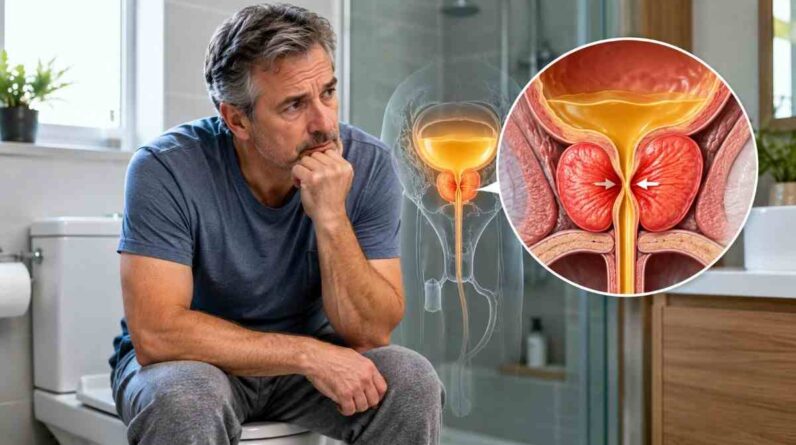
Your liver filters your blood, makes bile, stores energy, and breaks down medicines. Because everything you swallow passes through it, a herbal capsule gets the same processing as a prescription pill.
Most people who ask how to support liver health naturally hope for one special food or herb. The honest answer is less exciting. Daily habits do most of the work, and no alternative treatment has been proved to cure fatty liver disease.11 Some products can hurt the liver instead.14 Verified fact
The word natural tells you where an ingredient came from. It says nothing about the dose, the purity, or how your body will react. In the United States, the Food and Drug Administration does not approve dietary supplements before they are sold. Makers are responsible for safety, and the agency steps in after problems appear.16
Fatty liver is common enough that this matters to a lot of readers. In one U.S. survey of 6,802 adults, 42.2% had metabolic dysfunction-associated steatotic liver disease, or MASLD.15 That is the newer name for nonalcoholic fatty liver disease (NAFLD).9
The Habits With the Best Evidence
These five habits have the strongest backing from NIDDK (part of the National Institutes of Health), the American Gastroenterological Association, and Mayo Clinic. None of them needs a supplement.
1. Weight and movement
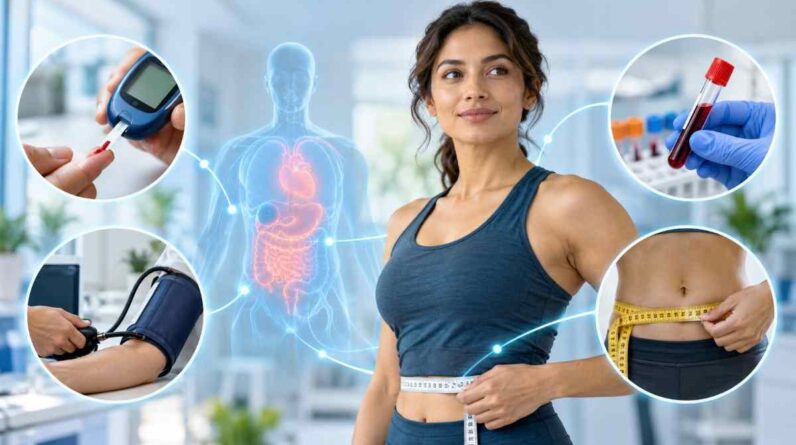
Extra fat inside the liver is the most common problem, and weight loss is the best-studied fix. The National Institute of Diabetes and Digestive and Kidney Diseases (NIDDK) says losing 3% to 5% of your body weight can reduce liver fat. Some people need 7% to 10% to reduce inflammation and scarring.8 At 200 pounds, 5% is 10 pounds. Verified fact
Slow and steady is the goal, since doctors recommend gradual loss. Physical activity helps even when the scale doesn’t budge.8 Guidance from the American Gastroenterological Association points to 5% or more for less liver fat and 7% or more for resolving steatohepatitis.10
Real-world data lines up with that advice. Among U.S. adults with a one-year weight history, those who lost 3% or more had lower odds of fatty liver than those whose weight held steady.15
2. Less alcohol
Alcohol is the liver toxin you have the most control over. If you have fatty liver, NIDDK says to minimize it, and the AGA says to restrict or eliminate it.910 Don’t mix alcohol with medicines either, even when you take them hours apart.13
3. Whole-food eating
No special liver diet beats a plain whole-food pattern. NIDDK suggests swapping saturated and trans fats for unsaturated fats. It also points to lower-glycemic foods, like most fruits, vegetables, and whole grains, over white bread, white rice, and potatoes.9 Mayo Clinic lists fatty fish, walnuts, some seeds, and leafy greens as natural sources of omega-3s.12
If you want one eating pattern built from foods like these, our Mediterranean diet guide for beginners is a good place to start.
4. Coffee, if you like it
Coffee is the one drink with a real liver story. Some studies suggest black caffeinated coffee may lower the risk of liver diseases such as MASLD and reduce scarring, though researchers don’t know exactly why.11 Limited evidence Mayo’s wording is about black coffee, so sugary coffee drinks fall outside what those studies describe.
5. Vaccines and careful medicine use
Vaccines protect against hepatitis A and hepatitis B. No vaccine exists for hepatitis C.13 Mayo Clinic also tells people with fatty liver to keep both shots current, because hepatitis can raise the risk of liver failure in people with MASLD.11
Take medicines exactly as directed, since too much or the wrong type can harm the liver. Tell your doctor about every supplement and herbal remedy you use.13
Do Liver Cleanses and Detox Products Work?
Liver cleanse products promise to flush toxins and repair damage. Houston Methodist notes that companies market supplements for exactly those jobs.14 It also points readers to LiverTox, an NIDDK resource on how herbs and medicines can injure the liver.14
Mayo Clinic says vitamins and supplements can’t cure MASLD and are no substitute for healthy habits. Vitamin E, an antioxidant, is one supplement researchers are studying alongside lifestyle changes.12 Treat any cleanse claim as a manufacturer claim until independent research says otherwise. Manufacturer claim
Other herbs get the same liver-support pitch. Before you add one, read our guide to ashwagandha benefits and side effects and our overview of adaptogenic herbs so you know which safety questions to ask.
Safety of Green Tea Extracts: The Drink Is Not the Pill
Green tea extract is a concentrated form of green tea leaves, sold as a dietary supplement for weight loss and antioxidant support. It is one of the best-documented natural products that can injure the liver, and many liver-health lists skip the warning. Some praise green tea without separating the cup from the capsule. Regulators do separate them.
What EFSA, USP, and Health Canada found
The main catechin in green tea is epigallocatechin gallate, or EGCG. In 2018, the European Food Safety Authority (EFSA) reviewed the evidence on green tea catechins. It concluded that tea brewed the traditional way is generally safe at usual intakes. Rare liver injury after drinking it has been reported, most likely from an idiosyncratic reaction.1
Supplements were a different story. EFSA found that 800 mg of EGCG per day or more from supplements raised transaminases, the liver enzymes that signal injury, compared with control groups. It saw no evidence of hepatotoxicity below 800 mg for up to 12 months, yet it could not name a dose that counts as safe.1 The European Union later capped EGCG at under 800 mg per portion of food.5 Verified fact
The US Pharmacopeia (USP) took a second look with a systematic review. Its expert panel included members of the Drug-Induced Liver Injury Network (DILIN). Case reports tied liver injury to EGCG intakes from 140 mg to about 1,000 mg a day, and people differed widely in susceptibility, possibly because of genetics.2 Repeated doses on an empty stomach also raised how much EGCG the body absorbed.2
USP now asks for a cautionary label on its green tea extract monograph. The label says to take the extract with food and avoid it if you have a liver problem. It also says to stop and see a practitioner if you get belly pain, dark urine, or yellow skin or eyes.2
Health Canada ran its own review of green tea extract-containing natural health products. It found 11 Canadian cases of suspected liver injury from 2006 to 2016. Only 2 had enough detail to assess, and both were potentially related to the product. A search of the World Health Organization’s adverse reaction database turned up 89 international reports, though none had enough detail for a closer look.3
The agency also counted 34 reports in USP’s 2008 review and 19 more published case reports since. Most patients recovered after stopping the product and getting hospital care. One developed chronic liver fibrosis, and two needed a liver transplant.3 Even so, Health Canada notes that the vast majority of people who consume green tea do so without harm.3
Australia’s Therapeutic Goods Administration (TGA) says 20 adverse events were reported to the TGA that link green tea products with liver injury. All but one involved concentrated extracts, and 17 involved several suspected products or multi-ingredient formulas. Three named the green tea product alone. The TGA says the underlying reasons why liver injury happened are not well understood, and it has said most use is unlikely to cause harm.46
Some specific formulas have been pulled from the market, including Exolise in Spain and France in 2003 and Hydroxycut in the United States in 2009.6
Trials add another angle. A systematic review of 34 randomized trials of green tea extracts found liver-related adverse events in four of them. Seven people in the green tea groups had events, compared with one person in the control groups.7 That pattern fits a rare reaction, which small trials are poorly placed to catch. This last point is our reading, not the authors’ conclusion. Limited evidence
Why the reaction is so hard to predict
Scientists still don’t fully understand how green tea extract injures the liver. The UK Committee on Toxicity says the exact mechanism has not been worked out.5 EFSA adds that it is unclear whether more serious liver effects could build up after long-term use, and it lists open questions about both dose-related and idiosyncratic injury.1 Unknown
Product quality is one suspect that USP checked. Extracts can carry solvent residues, pesticide residues, pyrrolizidine alkaloids, and elemental impurities. The panel found no evidence that any of these caused the liver injury it reviewed.2 It did find that catechin profiles vary a great deal with how an extract is made.2 Two bottles that both say green tea extract can therefore deliver very different amounts of EGCG.
Where common intakes sit against the 800 mg line
Here is a small table we built from the figures above. It shows how each reported intake compares with EFSA’s 800 mg threshold.
| Source of EGCG | Reported intake | Share of the 800 mg line |
|---|---|---|
| Average EGCG from green tea infusions, EU adults1 | 90 to 300 mg a day | 11% to 38% |
| One brewed cup (a study cited by the UK Committee on Toxicity)5 | 200 to 300 mg per cup | 25% to 38% per cup |
| High-level tea drinkers, EU adults1 | Up to 866 mg a day | Up to 108% |
| Green tea catechin supplements EFSA reviewed1 | 5 to 1,000 mg a day | 1% to 125% |
| Lowest EGCG intake in USP’s case reports2 | 140 mg a day | About 18% |
| Highest EGCG intake in USP’s case reports2 | About 1,000 mg a day | About 125% |
Percentages are our own arithmetic on the cited figures, rounded. The 800 mg line is where EFSA saw enzyme changes in supplement trials. It is not a proven safe dose.
Read the table as a map, not a fence. USP’s case reports include people who ran into trouble at far lower amounts, so the line guarantees nothing.2 Timing and form matter too, which is why a capsule taken on an empty stomach isn’t the same as tea sipped through the day.2 Catechin content also shifts with plant variety and growing conditions, so no two products match.17
Green tea drink vs. green tea extract
Green tea extract differs from brewed green tea because it packs catechins into one concentrated dose, and that dose is what the safety reviews flag.
| Factor | Green tea drink | Green tea extract |
|---|---|---|
| Form | Brewed leaves | Concentrated powder or liquid in capsules, tablets, or drinks |
| Regulator view | Generally safe at usual intakes (EFSA)1 | No safe dose identified (EFSA)1 |
| Case reports | Rare, likely idiosyncratic1 | All but one of the TGA’s 20 events involved concentrated extracts4 |
| Absorption | Not flagged by the reviews | Repeated fasting doses raise EGCG absorption (USP)2 |
| Label advice | None | Take with food, avoid with liver problems (USP)2 |
What Published Case Reports Can and Cannot Tell You
A case report describes one patient’s experience. It can raise an alarm, but it can’t prove that a supplement caused the illness. Many people in these reports took several products at once, and most of the TGA’s cases involved multiple suspected products.4 Reviewers of earlier reports also noted that other drugs were not ruled out.7
Still, the pattern is hard to ignore. An Australian journal published a case report of acute liver failure secondary to green tea extract, and Health Canada counted 19 more published reports after 2008.36 The reactions look rare and unpredictable. That is exactly why nobody can name a dose that is safe for everyone.
Label reading gets you part of the way. Look for the EGCG amount per serving, because the weight of the extract alone doesn’t tell you how much EGCG you get.2 Read the whole ingredient list too. Weight-loss blends often bundle several ingredients, and that made most of the TGA’s cases hard to untangle.4 Finally, follow the with-food advice from USP’s label.2
What does that mean for you? If you drink tea, EFSA’s view is reassuring.1 Should you take a green tea extract-containing product, ask a pharmacist or doctor first if you have any liver problem or take other medicines.2 The regulators don’t offer a dose you can treat as risk-free.
Signs of Liver Damage and When to Get Help
Signs of liver damage can include belly pain, dark urine, and jaundice, which is yellowing of the skin or eyes.2 USP’s label wording tells people to stop the extract and consult a practitioner if these appear.2
Do not stop prescribed medicine on your own. Call your doctor, and seek urgent care if symptoms are severe.
Early liver trouble can be quiet. That is why blood tests matter, and it’s how EFSA spotted liver enzyme changes in supplement trials.1 If you take any product linked to liver injury, mention it at your next checkup. Bring the bottle so your doctor can read the ingredient list and the EGCG amount.
People with existing liver disease should be the most careful. USP’s label says to avoid the extract if you have a liver problem.2 Anyone taking several medicines should also check with a pharmacist, since medicines and alcohol can add to the liver’s workload.13
A Simple Weekly Routine
Use this list as a starting point, and adjust it with your doctor. Every step comes from the guidance above.
- Ask your doctor whether weight loss would help your liver. If it would, aim for gradual loss of 3% to 5% first.
- Move most days. Activity helps your liver even when your weight stays the same.
- Cut back on alcohol, or skip it if you have fatty liver disease.
- Build meals around fruits, vegetables, whole grains, fatty fish, and walnuts.
- Drink coffee black if you enjoy it, and drink green tea in usual amounts.
- Check that your hepatitis A and B vaccines are current.
- Before any supplement, read the label, look it up in LiverTox, and tell your doctor.
Final Takeaway
Habits beat pills. A healthy weight, regular movement, less alcohol, and whole foods give your liver the most support.
The drink is not the pill. Brewed green tea is generally considered safe at usual intakes, while concentrated green tea extract carries a documented, rare risk of liver injury.
Frequently Asked Questions
What is the best way to support liver health naturally?
The best-supported steps are keeping a healthy weight, staying active, limiting alcohol, eating mostly whole foods, and getting hepatitis A and B vaccines. NIDDK says losing 3% to 5% of body weight can reduce liver fat in people with fatty liver disease. No supplement has been shown to replace these habits.
Is green tea bad for your liver?
Brewed green tea is generally considered safe at usual intakes, according to the European Food Safety Authority, though rare liver injury after drinking it has been reported. Concentrated green tea extract is the bigger concern. EFSA found raised liver enzymes at 800 mg of EGCG per day or more from supplements.
How much green tea extract is too much?
No amount has been proven safe for everyone. EFSA saw liver enzyme changes at 800 mg of EGCG per day or more and could not identify a safe dose. The USP review found case reports at intakes from 140 mg to about 1,000 mg a day, so individual sensitivity clearly varies.
What are the signs of liver damage from a supplement?
USP’s label wording for green tea extract lists belly pain, dark urine, and yellowing of the skin or eyes. Early liver trouble can be quiet, so a blood test for liver enzymes may catch it first. Stop the suspect product and call a doctor if you notice these signs. Never stop prescribed medicine without medical advice.
Do liver cleanse or detox products work?
There is no proof that they do. Mayo Clinic says vitamins and supplements can’t cure fatty liver disease and don’t replace healthy habits. Claims that a product detoxes or repairs the liver are manufacturer claims, and some herbal products can injure the liver.
Conclusion
You can support your liver naturally, and the plan is plain. Keep your weight in a healthy range, move most days, cut back on alcohol, eat whole foods, and stay current on hepatitis vaccines. Enjoy green tea in usual amounts. Treat concentrated extracts with caution, read every label, and tell your doctor about anything you take. If your skin or eyes turn yellow, or your urine turns dark, get medical help.
Your everyday habits can play a big role in liver health, but several other factors can influence how well your liver functions. If you’d like to understand what can affect your liver, see our guide for a closer look at the key factors that can influence liver health.
References
- EFSA Panel on Food Additives and Nutrient Sources added to Food (ANS). Scientific opinion on the safety of green tea catechins. EFSA Journal. 2018;16(4):5239. https://efsa.onlinelibrary.wiley.com/doi/10.2903/j.efsa.2018.5239
- Oketch-Rabah HA, Roe AL, Rider CV, Bonkovsky HL, Giancaspro GI, et al. United States Pharmacopeia (USP) comprehensive review of the hepatotoxicity of green tea extracts. Toxicology Reports. 2020;7:386-402. https://pmc.ncbi.nlm.nih.gov/articles/PMC7044683
- Health Canada. Summary Safety Review: Green tea extract-containing natural health products, assessing the potential risk of liver injury (hepatotoxicity). 2017. https://www.canada.ca/en/health-canada/services/drugs-health-products/medeffect-canada/safety-reviews/green-tea-extract-containing-natural-health-products-assessing-potential-risk-liver-injury.html
- Therapeutic Goods Administration (Australia). Camellia sinensis (green tea) extract: safety advisory. https://www.tga.gov.au/safety/safety-monitoring-and-information/safety-alerts/camellia-sinensis-green-tea-extract
- UK Committee on Toxicity. Statement on the hepatotoxicity of green tea catechins. https://cot.food.gov.uk/Statement%20on%20the%20Hepatotoxicity%20of%20Green%20Tea%20Catechins?print=1
- Acute liver failure secondary to green tea extract. Pathology. 2023. https://www.pathologyjournal.rcpa.edu.au/article/S0031-3025(23)00301-X/fulltext
- Liver-related safety assessment of green tea extracts in humans: a systematic review of randomized controlled trials. European Journal of Clinical Nutrition. 2016. https://link.springer.com/10.1038/ejcn.2016.78
- NIDDK. Treatment for NAFLD and NASH. https://niddk.nih.gov/health-information/liver-disease/nafld-nash/treatment
- NIDDK. Eating, diet, and nutrition for NAFLD and NASH. https://www.niddk.nih.gov/health-information/liver-disease/nafld-nash/eating-diet-nutrition
- American Gastroenterological Association. Lifestyle modification using diet and exercise to achieve weight loss in the management of NAFLD. https://gastro.org/clinical-guidance/lifestyle-modification-using-diet-and-exercise-to-achieve-weight-loss-in-the-management-of-nonalcoholic-fatty-liver-disease-nafld/
- Mayo Clinic. Self-care for fatty liver disease (MASLD). https://www.mayoclinic.org/diseases-conditions/fatty-liver-disease-masld/in-depth/self-care-for-fatty-liver-disease-masld/art-20587289
- Mayo Clinic. Vitamins and supplements for fatty liver disease (MASLD). https://www.mayoclinic.org/diseases-conditions/fatty-liver-disease-masld/in-depth/vitamins-and-supplements-for-fatty-liver-disease-masld/art-20587290
- American Liver Foundation. Healthy liver: 13 tips on how to have a healthy liver. https://liverfoundation.org/resource-center/blog/healthy-liver-tips/
- Houston Methodist On Health. How to improve liver health. 2024. https://www.houstonmethodist.org/blog/articles/2024/jan/how-to-improve-liver-health/
- Weight change is associated with metabolic liver health in a general population extending beyond weight loss targets of international guidelines (NHANES 2017-2020). https://www.ncbi.nlm.nih.gov/pmc/articles/PMC12670896/
- U.S. Food and Drug Administration (archived page). Dietary supplements and the Dietary Supplement Health and Education Act. https://webharvest.gov/peth04/20041025080923/http:/www.cfsan.fda.gov/~dms/supplmnt.html
- Food Safety Magazine. Due to risk of liver damage, EU limits green tea extract with EGCG in foods. 2022. https://www.food-safety.com/articles/8187-due-to-risk-of-liver-damage-eu-limits-green-tea-extract-with-egcg-in-foods

Written by cskoch, who researches medicinal plants and herbal wellness at Herbal Daily Care. This guide is research-based: we reviewed published trials, meta-analyses, and the manufacturer’s own sales page. We did not purchase or test the product, and we do not claim first-hand results.