

Disclosure: We may earn a commission if you purchase through links on this page, at no extra cost to you.
This article is for informational purposes only and is not medical advice. Consult a healthcare provider before starting any new supplement, especially if you’re pregnant, nursing, taking medication, or managing a health condition. These statements have not been evaluated by the Food and Drug Administration. This product is not intended to diagnose, treat, cure, or prevent any disease.
Quick Answer
HepatoBurn is a liver-support supplement sold directly by its manufacturer through ClickBank, built around two proprietary blends (silymarin, berberine, resveratrol, and others) that claim to fix “compromised liver function” as the hidden cause of stubborn fat. Some individual ingredients have real research behind them for liver enzymes; the product itself hasn’t been independently tested, and doses aren’t disclosed.
Key Facts
- Price: $49-$79 per bottle depending on package size, one-time payment (verified at checkout, September 2026)
- Guarantee: 60 days, full refund, stated directly by the vendor
- Core ingredients: Silymarin, berberine, resveratrol, green tea extract (Camellia sinensis), genistein, chlorogenic acid, choline, betaine, molybdenum, glutathione
- Ingredient amounts: Not disclosed on the public sales page
- Marketed for: Adults looking for a non-stimulant approach to metabolism and “stubborn” weight
- Sold through: ClickBank affiliate network, one-time purchase, no auto-ship
What Is HepatoBurn?
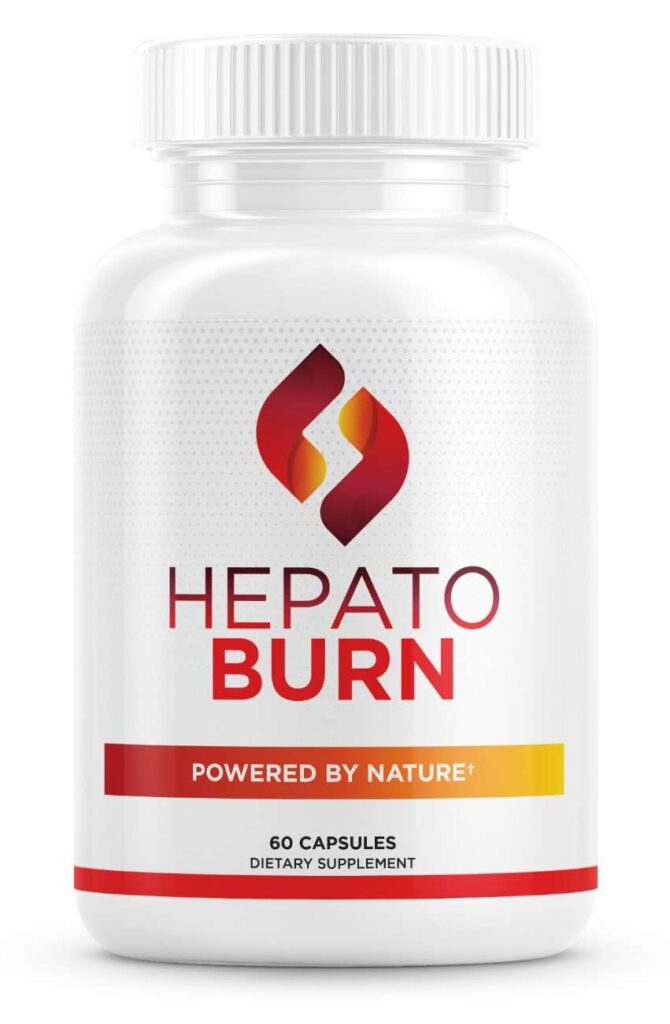
HepatoBurn is a capsule-form dietary supplement sold by its own branded website and fulfilled through ClickBank. According to the manufacturer, it’s built around what they call a Liver Purification Complex and a Liver Fat-Burning Complex, two blends of plant extracts and nutrients meant to work together on liver detoxification and fat metabolism.
The pitch centers on a specific idea: that an under-functioning liver, not diet or exercise, is the real reason some people can’t lose stubborn fat. That’s a compelling story, and it’s worth separating carefully from what the science actually says before deciding whether to buy in.

What Does HepatoBurn Claim to Do?
These are manufacturer claims, not independently verified outcomes. According to the sales page, HepatoBurn is supposed to detoxify the body, “optimize” liver function, and put users into what it calls full fat-burning mode. It also lists secondary effects: more energy, better sleep, reduced hunger, clearer thinking, and healthier skin.
The page cites a claim that liver cells can become “14 times more efficient” at burning fat and calories with optimal liver function. No independent source for that specific figure surfaced during research, and it should be treated as a marketing statistic rather than an established number.
Ingredients and Formula
HepatoBurn splits its ten listed ingredients into two proprietary complexes. Individual amounts per capsule aren’t published on the sales page, which matters: research on an ingredient in isolation, at a studied dose, doesn’t tell you what a smaller or undisclosed amount in a blend will do.
| 🌿 Ingredient | 🔬 Complex | 📚 Independent Evidence |
|---|---|---|
| Silymarin (Milk Thistle) | 🛡️ Liver Purification | 🟡 LIMITED EVIDENCE — Clinical trials at 140–700 mg/day show reduced ALT/AST liver enzymes in NAFLD patients; effect on weight loss specifically is not well established. |
| Berberine | 🔥 Liver Fat-Burning | 🟡 LIMITED EVIDENCE — Evidence for metabolic markers exists at studied doses; also carries documented drug interactions. |
| Betaine | 🛡️ Liver Purification | 🟡 LIMITED EVIDENCE — Studied for fatty liver support, not specifically for weight loss. |
| Molybdenum | 🛡️ Liver Purification | ⚪ UNKNOWN / UNVERIFIED — An essential trace mineral with a defined daily requirement, but not established as a fat-loss or detox agent at supplement doses. |
| Glutathione | 🛡️ Liver Purification | 🟡 LIMITED EVIDENCE — Oral glutathione has poor bioavailability; whether an oral capsule meaningfully raises liver glutathione levels is unsettled. |
| Resveratrol | 🔥 Liver Fat-Burning | 🟡 LIMITED EVIDENCE — Some metabolic research exists, largely in animal or short-term human studies; results are mixed. |
| Camellia sinensis (Green Tea Extract) | 🔥 Liver Fat-Burning | 🟡 LIMITED EVIDENCE — Modest thermogenic effects have been shown in some trials, but not dramatic effects on their own. |
| Genistein | 🔥 Liver Fat-Burning | 🟡 LIMITED EVIDENCE — A soy isoflavone studied mostly for hormonal and antioxidant effects, not primarily for fat loss. |
| Chlorogenic Acid | 🔥 Liver Fat-Burning | 🟡 LIMITED EVIDENCE — Associated with modest changes in glucose/fat metabolism in some trials; effect sizes are small. |
| Choline | 🔥 Liver Fat-Burning | 🟢 VERIFIED FACT — Choline is an essential nutrient tied to liver fat transport; supplemental choline alone has not been established as a driver of meaningful weight loss. |
Two of these, silymarin and berberine, have the most independent human research behind them for liver and metabolic markers. They’re also the two where dose and drug interactions matter most, which is exactly the information the label doesn’t give you.
If you’re deciding between HepatoBurn and another liver supplement, our HepatoBurn vs. Liv Pure comparison puts the formula, evidence, pricing, and guarantees side by side.
Does HepatoBurn Work? (Evidence Review)
The manufacturer states that optimizing liver function will unlock significant fat loss. Independent research on the finished HepatoBurn product itself doesn’t exist. What exists is research on some of its individual ingredients.
Silymarin has real clinical trial support, at defined doses (commonly 140-420 mg/day and up), for lowering liver enzymes (ALT and AST) in people with fatty liver disease. That’s a liver-health finding, not a weight-loss finding, and the effect on liver size or fat mass specifically has been mixed across trials.
Berberine has research suggesting benefits for blood sugar and some metabolic markers at doses of 400 mg to 1,500 mg per day, but the NIH’s National Center for Complementary and Integrative Health has stated there isn’t enough rigorous evidence to confirm it works for weight loss, and that it carries real risks and side effects of its own.
Because HepatoBurn doesn’t disclose how much of either ingredient is in a capsule, none of this research can be used to predict what the product will actually do for a given person. That gap, not the ingredient list itself, is the central issue with the “does it work” question.
Potential Benefits
Based on the ingredients present, and calibrated to what’s actually been studied:
- Silymarin may support liver enzyme levels in people with existing fatty liver concerns, at adequate doses
- Green tea extract and chlorogenic acid have been associated with modest metabolic effects in some trials
- Choline plays a genuine role in how the liver processes fat, as an essential nutrient
- Berberine has research behind it for blood sugar support, though not specifically for weight loss
None of this amounts to a guarantee of energy increases, weight loss, or the dramatic outcomes described on the sales page.
Side Effects and Safety
This is the section most competing reviews skip. Berberine, one of the two headline ingredients, inhibits liver enzymes (CYP3A4, CYP2D6) that the body uses to process roughly half of all prescription drugs. Independent sources flag real interaction risk with statins (increased muscle-pain risk), diabetes medications and insulin (risk of blood sugar dropping too low), blood thinners like warfarin, and cyclosporine. Common standalone side effects reported for berberine include gastrointestinal upset, cramping, and diarrhea, especially at higher doses.
Silymarin is generally well tolerated in trials, though long-term safety data is limited and periodic monitoring is sometimes recommended for extended use.
Because HepatoBurn doesn’t publish per-capsule amounts, there’s no way to know how much of either ingredient you’d actually be taking, which makes it harder, not easier, to judge your personal risk.
Who Should Avoid It?
Based on the ingredients and their known interaction profiles, people who should talk to a doctor before trying HepatoBurn include:
- Anyone taking statins, diabetes medication (including insulin), blood thinners, or cyclosporine, due to berberine’s documented drug interactions
- Pregnant or nursing individuals
- Anyone with an existing liver condition who is not already working with a physician on it
- Anyone planning surgery in the near future, since berberine and silymarin can both affect blood sugar and bleeding-related pathways
How to Use It
According to the vendor’s FAQ, the standard use is:
- Take one capsule daily with a full glass of water.
- Take it consistently, since the marketing frames results as building over weeks and months rather than days.
- The manufacturer recommends a three-to-six month course for people carrying more excess weight, which conveniently lines up with the discounted three- and six-bottle packages.
That third point is worth reading as what it is: a usage recommendation that also happens to be a sales strategy.
Is HepatoBurn Legitimate?
This section is what most “is HepatoBurn a scam” searches are really asking about, so it deserves a direct answer rather than a dodge.
On the legitimate side: the offer is active, the checkout is functioning, and the vendor states a specific, verifiable 60-day refund policy rather than a vague “satisfaction guarantee.” A support contact page exists at support.hepatoburn.com, though it didn’t display visible contact details when checked directly.
On the concerning side: ingredient amounts aren’t disclosed, which is common in the ClickBank supplement space but still limits what a buyer can verify. The site describes itself as made in an “FDA registered and GMP certified facility,” language that’s frequently used to imply regulatory approval that doesn’t actually exist. The FDA doesn’t approve dietary supplements before sale, and this research didn’t turn up independent, third-party verification of the specific GMP claim. Customer-count figures also vary sharply across marketing sources, from “234,000” on the official FAQ to “60,000+” cited on a different promotional page, with no independent source backing either number.
None of this confirms fraud. It does mean the legitimacy case rests more on the working refund policy than on transparency about the product itself, and buyers should weigh that accordingly.
Pros and Cons
Pros:
- Clearly stated 60-day refund window, verified on the vendor’s own page
- No subscription or auto-ship, confirmed as a one-time payment
- Contains at least two ingredients (silymarin, berberine) with real independent human research behind them
- No harsh stimulants in the listed formula
Cons:
- Ingredient amounts are undisclosed, so the research on individual ingredients can’t be applied to this specific product
- Berberine carries meaningful drug interaction risk that the sales page doesn’t mention
- Core marketing claim (“14x more efficient” fat burning) has no independent source
- Customer-count and rating claims are inconsistent across the manufacturer’s own marketing
Price and Guarantee
(Prices vary — confirm current price and terms at checkout.)
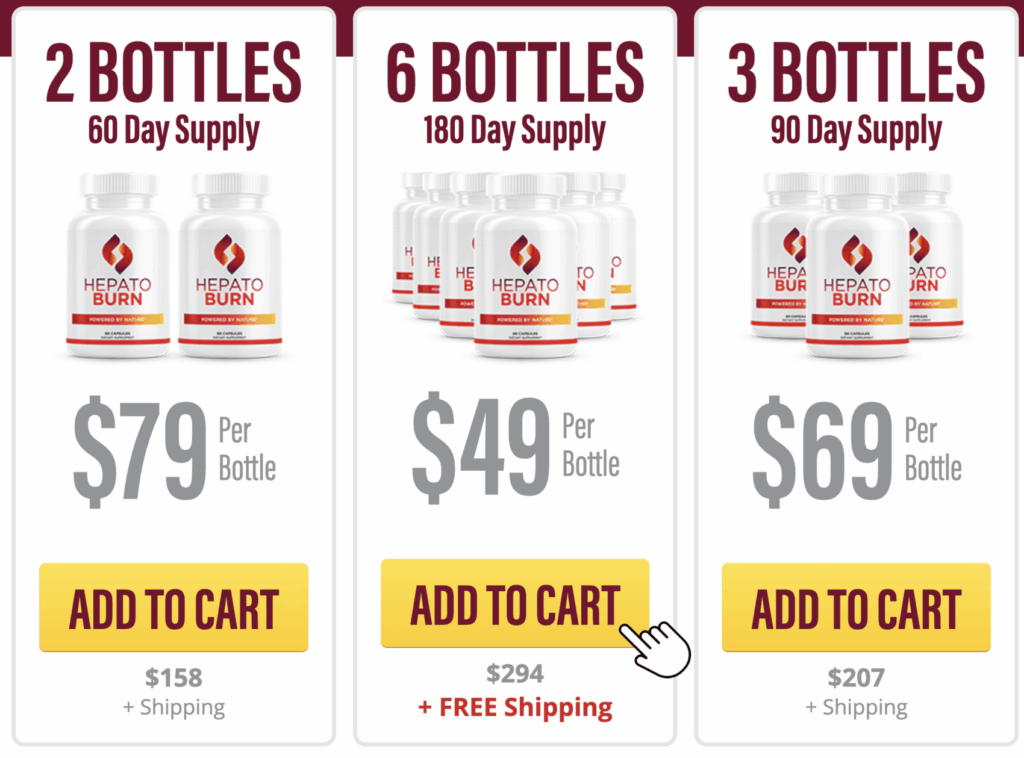
| 📦 Package | 💵 Total Price | 🏷️ Price / Bottle | 📅 Supply | 🔥 Approx. Cost / Day |
|---|---|---|---|---|
| 2 Bottles | $158 | $79 | 60 Days | $2.63 / day |
| 3 Bottles | $207 | $69 | 90 Days | $2.30 / day |
| ✨ 6 Bottles | $294 | $49 | 180 Days | $1.63 / day |
That per-day breakdown, calculated directly from the vendor’s own posted pricing, shows the real cost of committing to the larger packages the manufacturer recommends: roughly $79-$47 a month depending on tier. Shipping is added on the 2- and 3-bottle packages and free on the 6-bottle package. No upsells were visible on the initial order page itself, though ClickBank checkout flows sometimes present additional offers after the main order, so it’s worth watching for that at checkout.
Check the Current HepatoBurn Price and Package Options →
Alternatives
For people specifically interested in liver-support ingredients with more individual research behind them, a standalone milk thistle/silymarin supplement with a labeled dose (commonly 140-420 mg of standardized silymarin) lets you match actual clinical trial dosing, something a proprietary blend doesn’t allow. For blood-sugar-focused metabolic support, a standalone berberine supplement with transparent dosing carries the same interaction risks discussed above and should be reviewed with a doctor or pharmacist either way. Neither of these is presented as a proven substitute for professional medical care or an established weight-loss treatment.
Who Is HepatoBurn Best Suited For?
Based on the formula and how it’s marketed, HepatoBurn is aimed at adults who want a non-stimulant supplement to pair with existing diet and lifestyle habits, who aren’t on medications that interact with berberine, and who are comfortable trying a product without published per-ingredient dosing, backed by a refund window if it doesn’t work out. It’s a poor fit for anyone on statins, diabetes medication, blood thinners, or cyclosporine without medical guidance first, and for anyone expecting the dramatic, fast results the sales page describes.
Final Verdict
HepatoBurn combines two ingredients with genuine independent research (silymarin, berberine) with several others that have thinner or more preliminary support, inside a proprietary blend that hides the actual doses. The central sales pitch, that a 2023 discovery identified poor liver function as the hidden cause of stubborn fat, is manufacturer framing without an independent source behind its specific numbers. The 60-day refund policy is real and verifiable, which lowers the financial risk of trying it. The safety picture is more serious than most reviews let on: berberine’s drug interactions mean this isn’t a no-questions-asked purchase for anyone on statins, diabetes medication, or blood thinners. It may suit healthy adults without those medication conflicts who want to experiment with a liver-focused supplement and who go in treating the marketing claims skeptically rather than literally.
Frequently Asked Questions
Is HepatoBurn a scam? There’s no evidence of outright fraud. The offer is active, checkout works, and the 60-day refund policy is stated directly by the vendor. That said, ingredient amounts aren’t disclosed, and some marketing language (like “FDA registered facility”) implies more regulatory oversight than actually exists for dietary supplements.
Does HepatoBurn have side effects? Possibly, mainly tied to berberine, which can cause digestive upset at higher doses and has documented interactions with statins, diabetes medications, blood thinners, and cyclosporine. Silymarin is generally well tolerated in research but long-term data is limited. Since doses aren’t published, individual risk is harder to predict.
How much does HepatoBurn cost? As of September 2026, pricing ranges from $49 to $79 per bottle depending on package size, as a one-time payment with no subscription. Prices can change, so confirm the current amount at checkout.
Is HepatoBurn FDA approved? No. The FDA doesn’t approve dietary supplements before they go to market. The manufacturer’s claim of an “FDA registered” facility refers to a registration process, not a product approval or safety endorsement.
Does HepatoBurn actually work? Some individual ingredients have research behind them for liver enzymes and metabolic markers at specific studied doses. Since HepatoBurn doesn’t disclose its own per-capsule amounts, that research can’t be used to guarantee results from this specific product.
Can I take HepatoBurn with my current medications? Talk to your doctor first, especially if you take statins, diabetes medication, insulin, blood thinners, or cyclosporine, given berberine’s documented interactions with these drug classes.
What’s the guarantee if it doesn’t work for me? The vendor states a 60-day, full-refund policy from the date of purchase, including returning empty bottles, minus shipping and handling.
Conclusion
HepatoBurn isn’t an obvious scam, but it also isn’t the settled science the sales page implies. Two of its ten ingredients have real research behind them, the rest are thinner, and none of it can be verified at the doses actually used here. If you’re considering it, read the safety section above first, especially if you take any prescription medication, and lean on the 60-day guarantee if the results don’t match the claims.
If you’re considering a liver-focused supplement, it’s also helpful to understand the everyday factors that can influence liver function. Our guide to liver health covers diet, body weight, alcohol, medications, supplements, physical activity, and other important factors to consider.
See the Current Offer and Package Pricing →
Disclaimer: This article is for educational purposes only and is not intended as medical advice. Always consult a qualified healthcare professional before using medicinal herbs, especially if you are pregnant, nursing, taking medications, or have a medical condition. Read our full Medical Disclaimer.
References
- PMC — Silymarin as Supportive Treatment in Liver Diseases: A Narrative Review — https://pmc.ncbi.nlm.nih.gov/articles/PMC7140758/
- PMC — Hepatoprotective mechanisms and clinical evidence of silymarin in NAFLD/NASH — https://pmc.ncbi.nlm.nih.gov/articles/PMC11404857
- PMC — Silymarin and NAFLD/NASH background — https://pmc.ncbi.nlm.nih.gov/articles/PMC6752871/
- PubMed — Silymarin improved diet-induced liver damage and insulin resistance in mice — https://pubmed.ncbi.nlm.nih.gov/27387273
- PMC — Randomized trial of silymarin on liver size and NAFLD in morbidly obese patients — https://pmc.ncbi.nlm.nih.gov/articles/PMC9693701/
- WebMD — Berberine: Uses, Side Effects, Interactions, Warnings & Dosing — https://www.webmd.com/vitamins-supplements/berberine
- RxList — Berberine: Health Benefits, Side Effects, Uses, Dose & Precautions — https://www.rxlist.com/supplements/berberine.htm
- pillo.care — Berberine Drug Interactions (citing NIH NCCIH) — https://pillo.care/blog/berberine-drug-interactions
- malwaretips.com — HepatoBurn Review: Is This Liver Fat-Burning Supplement Legit or Hype? — https://malwaretips.com/blogs/hepatoburn/
- HepatoBurn official page (product facts, price, guarantee only) —

Written by cskoch, who researches medicinal plants and herbal wellness at Herbal Daily Care. This guide is research-based: we reviewed published trials, meta-analyses, and the manufacturer’s own sales page. We did not purchase or test the product, and we do not claim first-hand results.