

Three herbs keep showing up in every “natural sleep aid” list: chamomile, lavender, and lemon balm. They’re often lumped together as if they’re interchangeable, but they don’t all work the same way, and they’re not all backed by the same quality of research.
This guide compares the best herbs for sleep side by side: what the actual clinical evidence says about each one, how they’re meant to be used (tea versus aromatherapy versus extract), and which one actually fits your specific sleep problem. It’s written for anyone standing in the tea aisle wondering if it matters which box they pick.
Quick Answer: Among the best herbs for sleep, chamomile has the strongest research behind drinking it as tea for general sleep quality, lavender has the strongest evidence when inhaled as aromatherapy before bed, and lemon balm is best suited to calming a racing mind rather than sedation on its own. Most people can safely use any of the three nightly, and many blends combine two or more for a stronger combined effect.
How These Three Herbs Actually Work
Chamomile, lavender, and lemon balm are all mild, food-safe herbs with a long history as calming remedies, but they lean on slightly different chemistry to get there. Chamomile’s calming compound is apigenin, a flavonoid that binds to the same brain receptors as some prescription anti-anxiety medications. Lavender’s key compounds, linalool and linalyl acetate, appear to work partly through scent itself, calming the nervous system before the compounds are even absorbed. Lemon balm relies mainly on rosmarinic acid, which appears to raise levels of GABA, the neurotransmitter responsible for slowing down brain activity at night.
That shared GABA connection is why all three show up in sleep blends, and why combining them is common rather than redundant. Each one nudges the same general system from a slightly different angle. It’s also why none of the three works like a prescription sleep aid: they’re gentle nudges toward calm, not a switch that turns sleep on. If you’re expecting the same effect as a sedating medication, any of these three will likely disappoint you. If you’re looking for a lower-intensity nightly habit that gradually improves how easily you wind down, the research supports that expectation much better.
One other shared trait worth knowing: none of these three herbs has been studied for months or years of continuous nightly use. Most trials run anywhere from one week to about a month. That doesn’t mean long-term use is unsafe, just that the research hasn’t caught up to how people actually use these herbs in real life, which is often for years at a time.
Chamomile for Sleep
What the research shows
Chamomile has the deepest research base of the three, specifically for drinking it as tea. A meta-analysis of 12 randomized, controlled trials found that chamomile meaningfully improved sleep quality, and one of the included studies found people with insomnia also functioned better during the day after using it. A separate systematic review focused specifically on sleep and anxiety outcomes reached a similar conclusion, and a more recent meta-analysis using the Pittsburgh Sleep Quality Index found a significant reduction in poor-sleep scores across elderly, postmenopausal, and insomnia patient groups.
Not every trial has been positive. One well-designed pilot study using a concentrated 540 mg chamomile extract found no meaningful difference versus placebo, and the researchers noted that dose would be difficult to reach just by drinking tea. In other words, chamomile’s tea-strength evidence and its high-dose extract evidence don’t fully agree, which is worth knowing before assuming any chamomile product will match the tea studies.
How to use it
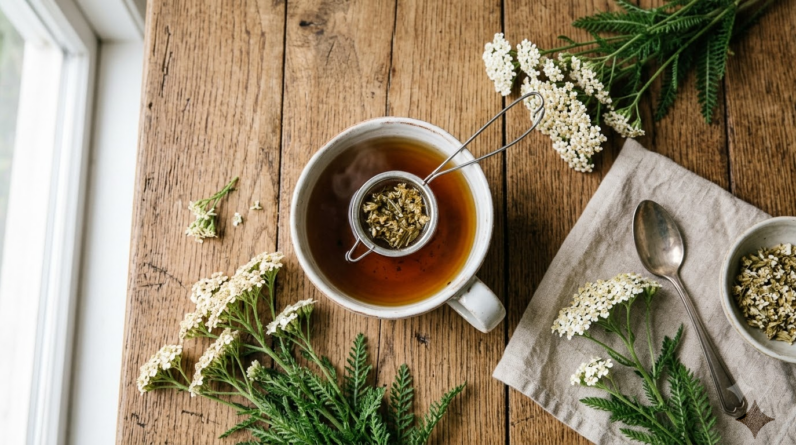
Steep 2–3 teaspoons of dried chamomile flowers (or one tea bag) in hot water for 5–10 minutes, and drink it 30–60 minutes before bed. Cover the cup while it steeps so the aromatic oils don’t escape with the steam, and avoid a full rolling boil, which can make the tea taste more bitter than floral. Our full guide to making chamomile tea covers fresh versus dried leaf, and if chamomile is new to you, our chamomile benefits overview goes into the other health claims beyond sleep. If you’d rather grow your own, we’ve also got a beginner’s guide to growing chamomile at home. Chamomile is one of the gentlest herbs on this list, so it’s also a reasonable one to try first if you’ve never used any bedtime herb before.
Lavender for Sleep
What the research shows
Lavender’s strongest evidence comes from a different delivery method entirely: inhalation rather than drinking. A systematic review and meta-analysis in Holistic Nursing Practice concluded that lavender essential oil aromatherapy is effective for improving sleep quality across multiple patient populations. A randomized controlled trial in postoperative intracranial tumor patients found lavender oil inhalation significantly shortened the time it took participants to fall asleep and reduced how often they woke during the night. A separate pilot study using EEG monitoring found that lavender aroma appeared to increase deep, slow-wave sleep directly, which is a more objective measure than a self-reported sleep questionnaire.
Results aren’t universal, though: one randomized trial in retired older adults found no statistically significant difference in Pittsburgh Sleep Quality Index scores between the lavender and placebo groups. As with chamomile, the population and dose matter, and lavender’s evidence is strongest for aromatherapy specifically, not necessarily for lavender tea.
How to use it
Add a few drops of lavender essential oil to a diffuser in the bedroom 20–30 minutes before bed, or place a drop or two on a pillow or tissue near your head. A little goes a long way; more drops don’t necessarily mean a stronger effect, and an overpowering scent can actually be distracting rather than calming. If you’d rather drink it, lavender tea exists but has thinner research behind it than the aromatherapy route, so treat it as a pleasant addition rather than the main event. For dosing, safety notes, and how lavender compares directly to chamomile, see our lavender medicinal uses guide and our full chamomile vs. lavender comparison.
Lemon Balm for Sleep
What the research shows
Lemon balm’s sleep evidence is really anxiety evidence in disguise: because it calms the nervous system, better sleep tends to follow as a side effect rather than being lemon balm’s primary, direct target. A systematic review and meta-analysis found lemon balm meaningfully improved both anxiety and depression scores compared with placebo across multiple clinical trials, and a separate open-label trial using a standardized extract reported reduced insomnia alongside reduced anxiety over 15 days. One study following people recovering from heart surgery found more than half reported improved sleep after taking 500 mg of lemon balm three times daily for a week.
Lemon balm is also frequently studied in combination with valerian root rather than alone, and the combination tends to outperform either herb by itself for sleep onset and quality.
How to use it
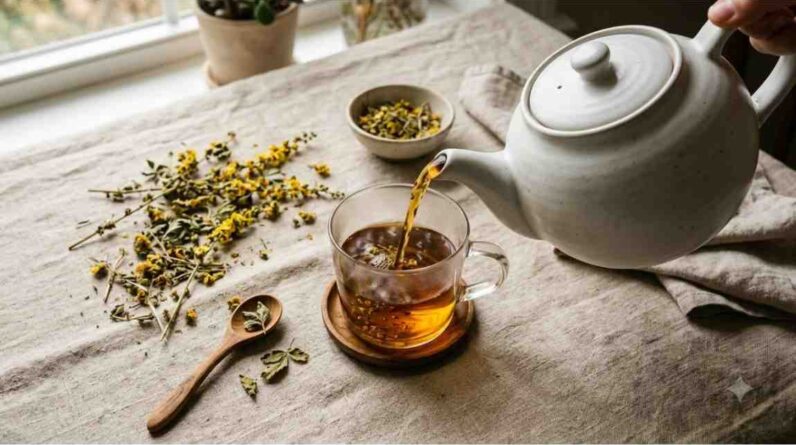
Brew 1 teaspoon of dried lemon balm (or 1 tablespoon fresh, lightly crushed) in hot water for 5–10 minutes, and drink it in the evening. It pairs naturally with chamomile in the same cup if you want a broader calming effect rather than betting on a single herb. For a deeper look at lemon balm on its own, including cold-sore and digestion uses beyond sleep, see our full lemon balm benefits and uses guide.
Side-by-Side Comparison
| Herb | Best Evidence For | Delivery Method | Typical Amount | Evidence Strength |
|---|---|---|---|---|
| Chamomile | General sleep quality, insomnia | Tea (strongest data) or extract | 2–3 tsp dried flowers, steeped 5–10 min | Moderate: consistent tea studies, mixed results for high-dose extracts |
| Lavender | Falling asleep faster, staying asleep | Aromatherapy/inhalation (strongest data) | A few drops in a diffuser, 20–30 min before bed | Moderate: strong for inhalation, thinner for tea |
| Lemon Balm | Calming a racing mind, mild anxiety-linked sleep trouble | Tea or standardized extract | 1 tsp dried (tea) or 300–600 mg extract | Moderate: strongest when combined with valerian |
Which One Should You Actually Pick?
If you struggle to fall asleep
Lavender aromatherapy has the most direct evidence for shortening the time it takes to actually fall asleep, since several trials measured sleep latency specifically and found real reductions. A diffuser running while you wind down is a reasonable first move here.
If you wake up anxious or wired
Lemon balm is the better fit, since its research base is built around calming the nervous system and reducing anxiety symptoms, with better sleep following as a downstream effect rather than a direct sedative hit.
If you want a bedtime ritual, not just an ingredient
Chamomile wins on habit-forming appeal: it’s pleasant, familiar, caffeine-free, and has the deepest research base for the simple act of drinking a cup before bed. If the ritual itself (warm mug, quiet ten minutes, phone away) matters as much as the herb, chamomile is the easiest one to build a nightly habit around.
Can You Combine Them?
Yes, and it’s common practice rather than an unusual choice. Chamomile and lemon balm are frequently blended in the same cup, and pairing a chamomile or lemon balm tea with a lavender diffuser running in the background covers both the “drink it” and “smell it” delivery methods at once. There’s no strong evidence that combining them causes problems for healthy adults, since all three are mild and have overlapping safety profiles, but starting with one herb at a time for the first week or two makes it easier to tell what’s actually helping if something doesn’t agree with you.
Other Herbs Worth Knowing About
Chamomile, lavender, and lemon balm aren’t the only names that show up in sleep research. Valerian root is the most heavily studied herbal sleep aid overall, and it tends to produce a stronger sedative effect than any of the three herbs covered here, though some people find it leaves them groggy the next morning if the dose runs too high. Passionflower has decent evidence for both falling asleep and staying asleep, and it’s often recommended specifically for people whose sleep trouble is tangled up with anxiety. Both are commonly blended with chamomile or lemon balm in commercial sleep teas, which is part of why store-bought “sleepy time” blends rarely contain just one herb.
We don’t yet have a dedicated deep-dive on valerian root on this site, but if that’s where your research is heading next, its evidence profile is closer to lemon balm’s than to chamomile’s: better for calming a wired nervous system than for the simple ritual of an evening cup.
Safety, Side Effects, and Who Should Be Careful
All three herbs are generally well tolerated, but “generally” isn’t “universally.” Chamomile is a member of the ragweed and daisy family, so people with those plant allergies should avoid it, and in rare cases it can cause an allergic skin or breathing reaction in sensitive individuals. Lavender aromatherapy is very low-risk since nothing is swallowed, though a small number of people report headaches from strong scents, and lavender oil applied directly to skin (rather than diffused) can occasionally cause irritation. Lemon balm can cause mild headache, dizziness, or stomach upset in some people, and there’s no long-term safety research on daily use for any of the three.
If you take a sedative, sleep medication, or anti-anxiety prescription, check with your doctor before adding any of these herbs regularly, since the combined calming effect could be stronger than expected. The same caution applies during pregnancy or breastfeeding, since none of the three has been well studied in that group. Children and pets are worth a specific mention too: essential oil diffusers should be used with care around infants and some household pets, since concentrated aromatic compounds can affect them differently than adults. And if sleep trouble is severe, persistent for more than a few weeks, or affecting your daytime functioning, an herb is a supplement to good sleep habits, not a replacement for talking to a doctor.
Frequently Asked Questions
There isn’t one universal answer. Chamomile has the strongest tea-drinking evidence, lavender has the strongest aromatherapy evidence, and lemon balm works best for anxiety-linked sleep trouble. The “best” one depends on which problem you’re actually trying to solve.
Chamomile is better studied for drinking as tea, while lavender is better studied as an inhaled aromatherapy scent. They’re not really competing for the same use case, so many people use both rather than choosing one.
es. Combining them, especially chamomile and lemon balm in tea alongside a lavender diffuser, is a common and generally safe practice for healthy adults, though it’s worth introducing one at a time first if you’re sensitive to new supplements.
Some effects, like lavender’s impact on falling asleep faster, can show up the same night. Others, like lemon balm’s anxiety-reducing effect, tend to build over one to two weeks of consistent use before the sleep benefit becomes noticeable.
For most healthy adults, yes, at the amounts described above. There’s no research on long-term daily use for any of the three, though, so if you notice new side effects or your sleep isn’t improving after a few weeks, it’s worth checking in with a doctor rather than continuing to increase the dose.
The Bottom Line
Chamomile, lavender, and lemon balm aren’t really rivals; they’re three tools that solve slightly different sleep problems. Start with chamomile tea if you want the most-studied, easiest nightly ritual, add lavender aromatherapy if falling asleep quickly is the actual issue, and lean on lemon balm if it’s a racing mind rather than sleeplessness itself that’s keeping you up. Give whichever one you choose about two weeks before deciding if it’s working, and check with your doctor first if you’re already on a sleep or anxiety medication. None of the three will replace consistent sleep habits, dark and cool bedrooms, and a regular bedtime, but layered on top of those basics, any one of them is a reasonable, low-risk place to start.
Disclaimer: This article is for educational purposes only and is not intended as medical advice. Always consult a qualified healthcare professional before using medicinal herbs, especially if you are pregnant, nursing, taking medications, or have a medical condition. Read our full Medical Disclaimer.
Read next: Chamomile vs. Lavender: Which Herb Works Better for Anxiety and Sleep?. It’s a deeper head-to-head if you’ve already narrowed it down to those two.
References
- Sleep Foundation. Does Chamomile Tea Make You Sleep? sleepfoundation.org/sleep-aids/does-chamomile-tea-make-you-sleep
- Hieu, T.H., et al. (2019). Therapeutic efficacy and safety of chamomile for state anxiety, generalized anxiety disorder, insomnia, and sleep quality: A systematic review and meta-analysis. Phytotherapy Research, 33(6), 1604–1615. onlinelibrary.wiley.com
- Effects of chamomile (Matricaria chamomilla L.) on sleep: A systematic review and meta-analysis of clinical trials. ScienceDirect. sciencedirect.com
- The Sleep-Enhancing Effect of Lavender Essential Oil in Adults: A Systematic Review and Meta-Analysis. Holistic Nursing Practice. journals.lww.com
- Effects of lavender essential oil inhalation aromatherapy on postoperative sleep quality in patients with intracranial tumors: a randomized controlled trial. PMC. ncbi.nlm.nih.gov/pmc/articles/PMC12358394
- Ghazizadeh, J., et al. (2021). The effects of lemon balm (Melissa officinalis L.) on depression and anxiety in clinical trials: A systematic review and meta-analysis. Phytotherapy Research, 35(12), 6690–6705. onlinelibrary.wiley.com

Researches medicinal plants, herbal wellness, and sustainable gardening practices. Through Herbal Daily Care, she helps readers discover the benefits of growing and using herbs at home.