

Best Medicinal Herbs to Grow: A Beginner’s Guide to Your Herbal Garden
If you want to grow medicinal herbs but don’t know where to start, this introductory guide covers the 20 best beginner-friendly options, what they do, how to grow them, and how to use them. For thousands of years, people cultivated herbs not only for food and flavor but for their healing properties. Today they remain popular among gardeners and individuals seeking a more natural approach to everyday wellness.
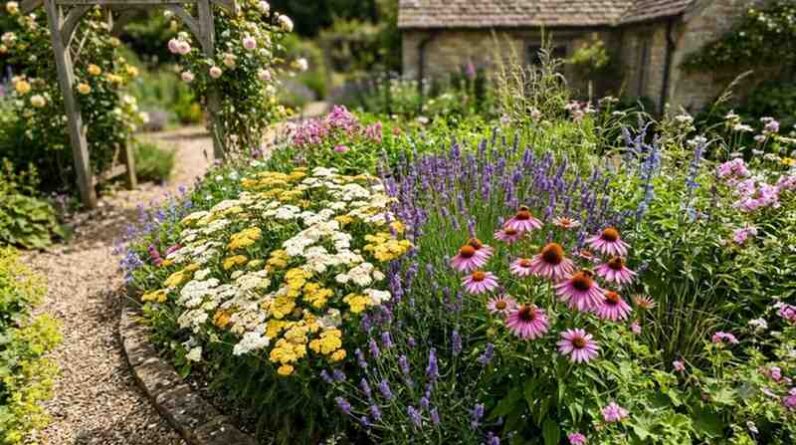
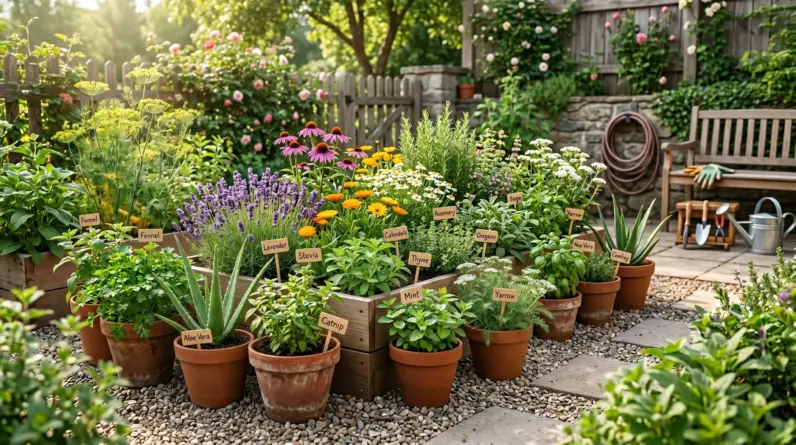
The beauty of medicinal herbs is that many are remarkably easy to grow. You don’t need acres of land, advanced gardening skills, or expensive equipment. A few containers on a sunny balcony, a small raised bed, or a corner of your backyard can provide an abundance of useful herbs throughout the growing season. Even if you live in an apartment, a sunny windowsill is enough space to get started with several beginner-friendly varieties.
For beginners, choosing the right herbs is essential. Some medicinal plants require specialized conditions and extensive knowledge, while others thrive with minimal effort. Starting with easy-to-grow herbs allows you to build a practical herb garden that supports your household for years to come. Many of the healing plants in this list are perennials that come back year after year, making them a long-term investment in your home apothecary.
In this beginner’s guide, you’ll discover 20 of the best herbs to grow, including their traditional uses, growing requirements, harvesting tips, and simple ways to use them at home. Think of it as your starting point for building a real herbal apothecary, one plant at a time.
Before choosing herbs for your garden or wellness routine, it helps to understand what herbs are safe for everyday use and which herbs are better reserved for occasional use.
Why Growing Medicinal Herbs at Home Is Worth It
Growing your own healing herbs offers real benefits beyond wellness.
You Save Money on Herbal Products
Many herbal teas, tinctures, and wellness products can be expensive. Growing your own herbs provides a renewable source of fresh ingredients for low-cost herbal preparations you can make at home.
You Control What Goes Into Your Herbs
When you grow herbs yourself, you know exactly how they were cultivated, harvested, and stored. This matters especially when you plan to make your own herbal remedies, infused oils, or salves for everyday use.
Freshly Grown Herbs Are More Potent Than Store-Bought
Freshly harvested herbs retain stronger aromas and beneficial compounds compared to products sitting on store shelves for months.
It Supports a More Sustainable Lifestyle
Homegrown herbs reduce packaging waste and transportation emissions associated with commercial products.
Herb Gardening Reduces Stress and Builds Mindfulness
Gardening encourages mindfulness, reduces stress, and deepens your appreciation for plants and traditional herbal knowledge. Many people find that tending a healing garden becomes the most grounding part of their day.
How to Start a Beginner Medicinal Herb Garden
Before selecting herbs to start with, consider a few basic gardening principles. Most medicinal herbs prefer:
- At least 6 hours of sunlight daily
- Well-draining soil
- Moderate watering
- Good air circulation
Start with five to ten herbs and gradually expand. Container gardening is often the easiest option because it allows better control over soil and watering. As herbalist Rosemary Gladstar writes in her foundational work on handcrafting herbal remedies, the best herb garden is one you’ll actually use — so start small, start simple, and grow from there.
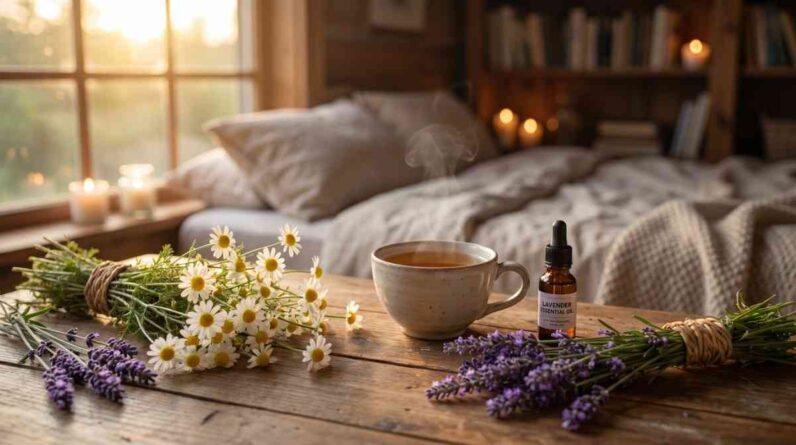
1. Chamomile — Best Medicinal Herb for Beginners Overall
What is the best medicinal herb for beginners to grow? Chamomile is the top choice. It grows easily in most climates, needs minimal care, and carries one of the longest histories of traditional use of any herb. If you’re ready to grow your own, check out our detailed guide on how to grow chamomile at home for step-by-step planting, care, and harvesting tips. Harvest the small flowers when fully open, dry them, and steep them in hot water for a calming tea that supports relaxation and occasional digestive discomfort. Most beginner gardeners see harvestable blooms within 60–90 days of planting.
Traditionally, chamomile has been used to promote relaxation, support healthy sleep, and soothe occasional digestive discomfort. Its gentle nature makes it the most approachable starting herb for new gardeners, and it’s widely considered essential when building a home apothecary.
Chamomile flowers can be harvested and dried for tea, used in herbal remedies, or infused into carrier oils for skin applications. Chamomile is also one of the herbs most commonly considered suitable for regular use. Learn more about what herbs are safe for everyday use.
Growing Requirements
- Full sun to partial shade
- Well-draining soil
- Moderate watering
Harvesting Tips
Harvest flowers when fully open. Regular harvesting encourages more blooms throughout the season.
Simple Use
Steep dried chamomile flowers in hot water for a calming tea. Chamomile tea is a classic sleep aid used across cultures for centuries.
Chamomile is one of the easiest herbs for beginners because it’s widely available, simple to use, and known for its calming properties. Discover the many benefits of chamomile, from better sleep and relaxation to digestive and skin support.
2. Peppermint — Easiest Herb to Grow in Containers
Peppermint is productive, fast-growing, and almost impossible to kill. Traditionally used for digestive support, it remains a favorite in herbal teas across cultures. Its refreshing scent and cooling sensation make it useful for everything from a simple remedy for nausea to a fragrant tea blend after meals.
Because peppermint spreads aggressively, containers are the smarter choice. Like all herbs in the mint family, it thrives with very little fuss — they’re easy to grow even for complete beginners.
Growing Requirements
- Partial to full sun
- Moist soil
- Regular watering
Harvesting Tips
Harvest leaves frequently to encourage bushier growth.
Simple Use
Brew fresh or dried leaves into tea, or add them to recipes. Peppermint also works as a culinary herb in sauces, drinks, and desserts.
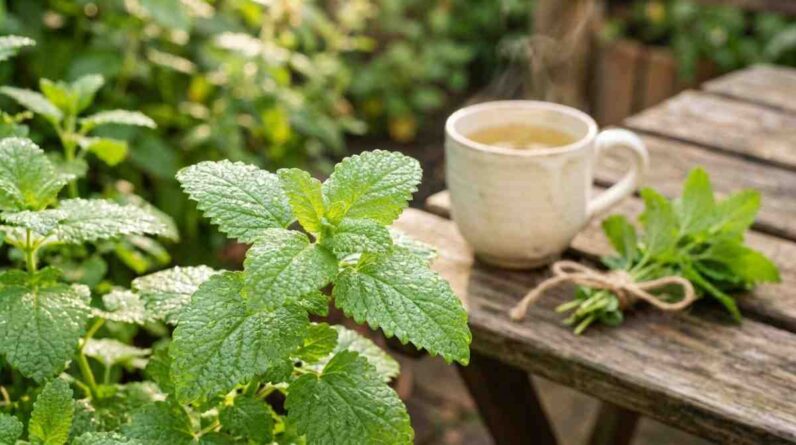
3. Lemon Balm — Calming Herb for Sleep and Stress Relief
Lemon balm belongs to the mint family and is famous for its pleasant citrus scent. Herbal traditions have used it for centuries to encourage relaxation, support mood balance, and promote restful sleep. It grows vigorously with very little maintenance, a reliable herb for beginners who want results fast.
In holistic health circles, lemon balm is valued as a gentle sleep aid. Many experienced herbalists recommend it as a first choice when starting to build a home medicine chest.
Growing Requirements
- Full sun to partial shade
- Well-draining soil
- Moderate watering
Harvesting Tips
Harvest leaves before flowering for the strongest flavor and aroma.
Simple Use
Prepare a refreshing tea using fresh leaves. It also combines beautifully with chamomile or lavender into a calming evening tea blend.
4. Calendula — Best Herb for Natural Skincare Preparations
Calendula produces bright orange and yellow flowers that add beauty to any herb garden. Traditionally used in herbal skincare preparations and infused oils, its flowers are a go-to ingredient in homemade salves and lotions to soothe skin irritation and support wound healing.
It’s beginner-friendly, productive, and considered essential in any home apothecary focused on natural skincare.
Growing Requirements
- Full sun
- Average soil
- Moderate watering
Harvesting Tips
Pick flowers regularly to stimulate additional blooms.
Simple Use
Dry the petals and infuse them into a carrier oil. That calendula-infused oil can be used as-is or made into a salve for dry skin and minor skin irritation.
5. Lavender — Fragrant Herb for Relaxation and Aromatherapy
Lavender is loved for its beauty and versatility. The aromatic flowers are widely used in aromatherapy, herbal sachets, bath products, and relaxation blends. Once established, lavender is drought-tolerant — a great pick for anyone who wants a low-maintenance addition to their healing garden.
Growing Requirements
- Full sun
- Well-draining soil
- Light watering
Harvesting Tips
Harvest flower spikes just before full bloom.
Simple Use
Dry flowers for tea blends and sleep sachets. Lavender is a natural sleep aid and a staple ingredient in herbal medicine traditions worldwide.
6. Holy Basil (Tulsi) — Adaptogenic Herb from Ayurvedic Tradition
Tulsi holds a sacred place in Ayurvedic tradition and is widely regarded as a cornerstone wellness herb. It has been used for centuries to support resilience during stress and promote overall wellness — and it also appears in Chinese medicine as an aromatic herb with broad healing uses.
Many herbalists consider tulsi essential for anyone learning to naturally fortify their body against everyday stress and seasonal ailments.
Growing Requirements
- Warm climate
- Full sun
- Consistent watering
Harvesting Tips
Pinch leaves regularly to encourage bushy growth.
Simple Use
Prepare fresh tulsi tea using newly harvested leaves. It pairs especially well with ginger or lemon balm.
7. Thyme — Hardy Culinary and Medicinal Herb for Beginners
Thyme earns its place in both the kitchen and the herbal medicine cabinet. Its aromatic leaves have been used for centuries in herbal preparations, particularly during seasonal wellness routines — and as a culinary herb, it adds depth to almost any savory dish.
Growing Requirements
- Full sun
- Well-draining soil
- Minimal watering
Harvesting Tips
Trim stems regularly to encourage dense growth.
Simple Use
Add fresh thyme to teas and steam preparations, or use it as a culinary herb in everyday cooking.
8. Sage — Traditional Herb for Digestive and Oral Wellness
Sage is a hardy perennial that combines medicinal value with culinary usefulness. Traditionally associated with digestive support and oral wellness, it has been used for medicinal purposes across European and Native American herbal traditions for centuries.
It’s also simple to grow and comes back year after year in most climates — a low-maintenance staple for any herb garden.
Growing Requirements
- Full sun
- Well-draining soil
- Moderate watering
Harvesting Tips
Harvest young leaves regularly.
Simple Use
Prepare a simple sage tea or use fresh leaves in cooking. Few culinary herbs carry such a genuine medicinal history.
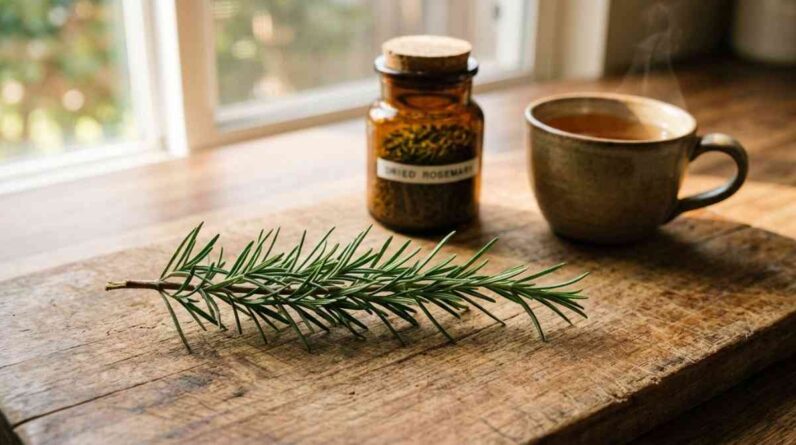
9. Rosemary — Aromatic Herb Linked to Focus and Memory Support
Rosemary is one of the most rewarding herbs for beginner gardeners. Its needle-like leaves contain aromatic compounds long associated with focus and memory support. Herbalist and author Rosemary Gladstar has championed it for decades as a top everyday herb — and rightfully so.
A perennial in most climates, rosemary comes back year after year with minimal care and lends a distinctive aroma to any healing garden.
Growing Requirements
- Full sun
- Sandy soil
- Minimal watering
Harvesting Tips
Trim stems regularly to maintain shape.
Simple Use
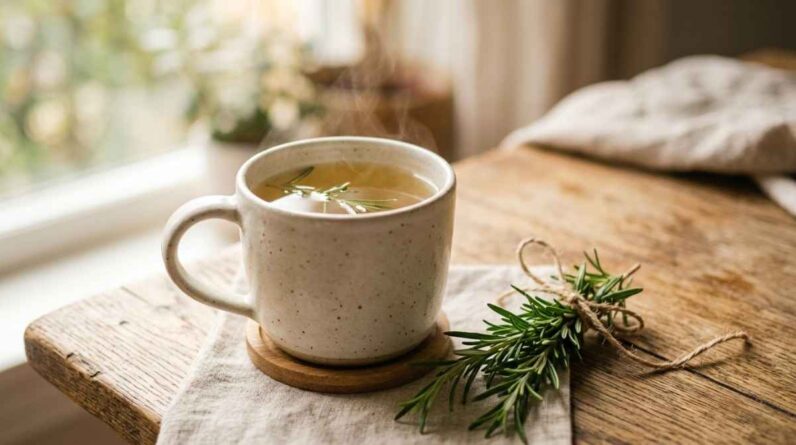
Use fresh sprigs in tea or culinary dishes. Rosemary doubles as a flavorful kitchen herb and an aromatic remedy for focus and circulation.
10. Echinacea — Go-To Herb for Immune Wellness
Echinacea is a beautiful flowering plant that attracts pollinators while delivering well-known herbal benefits. It’s become a household name for immune wellness and a reliable ally during cold and flu season.
Many herbalists keep echinacea as a cornerstone of their home medicine chest. The leaves and flowers work well in teas and tinctures, while the roots — harvested in the plant’s third fall — are used in more concentrated herbal medicine preparations.
Growing Requirements
- Full sun
- Well-draining soil
- Moderate watering
Harvesting Tips
Harvest leaves and flowers for herbal preparations. Roots are typically harvested in the fall of the plant’s third year.
Simple Use
Dry flowers for tea blends or prepare a tincture from the roots for a more potent remedy.
11. Aloe Vera — Best Indoor Healing Plant for Beginners
Aloe vera is perhaps the easiest medicinal plant to grow indoors. The thick succulent leaves hold a soothing gel widely used in topical skincare. Aloe is valued in herbal traditions from Chinese medicine to Ayurveda — and if you live in an apartment with a bright window, it practically grows itself.
Growing Requirements
- Bright sunlight
- Cactus soil
- Minimal watering
Harvesting Tips
Harvest mature outer leaves only.
Simple Use
Apply fresh aloe gel directly to soothe skin irritation, minor burns, or dry patches. It’s one of the most practical topical remedies you can keep on a windowsill.
12. Yarrow — Drought-Tolerant Perennial for Low-Maintenance Gardens
Yarrow is a resilient perennial with a long track record across herbal traditions. Greek, Native American, and Chinese medicine have all relied on it for wound healing and topical applications. It comes back year after year without much attention, making it a dependable staple of any established herb garden.
Growing Requirements
- Full sun
- Well-draining soil
- Drought tolerant
Harvesting Tips
Harvest flowering tops during peak bloom.
Simple Use
Dry yarrow flowers and leaves for herbal preparations. It’s a classic topical remedy for minor wound healing and skin support.
13. Oregano — Culinary Herb with Deep Medicinal Roots
Oregano is widely known in the kitchen, but it also carries a rich history of traditional medicinal use. Its aromatic leaves contain plant compounds valued by herbalists across Greek, Mediterranean, and European traditions.
It earns a spot in both the kitchen and the home medicine chest.
Growing Requirements
- Full sun
- Well-drained soil
- Moderate watering
Harvesting Tips
Harvest before flowering for maximum flavor.
Simple Use
Use fresh or dried leaves in tea and cooking. Few culinary herbs carry this level of traditional medicinal history alongside everyday kitchen usefulness.
14. Catnip — Underrated Relaxation Herb That’s Simple to Grow
Famous for its effect on cats, catnip has a quiet history of human use too. Herbal traditions used it to ease occasional digestive discomfort and encourage relaxation. It belongs to the mint family, grows easily from seed, and deserves more credit as a calming remedy for the home apothecary.
Growing Requirements
- Full sun
- Average soil
- Moderate watering
Harvesting Tips
Cut stems before flowering.
Simple Use
Dry leaves for tea. Catnip blends well with lemon balm or chamomile for a soothing evening tea blend.
15. Plantain — Backyard Weed with Real Topical Healing Properties
Plantain is dismissed as a weed by most gardeners — but it’s highly prized by herbalists for its topical healing properties. The broad leaves have been used in traditional preparations to soothe skin irritation, ease minor wounds, and support wound healing across many cultures.
It’s a healing plant hiding in plain sight, and one of the simplest herbs to harvest directly from your yard.
Growing Requirements
- Full sun or partial shade
- Adaptable soil
- Easy maintenance
Harvesting Tips
Pick young leaves for best quality.
Simple Use
Use leaves in infused oils and salves to ease skin irritation or support topical wound healing.
16. Bee Balm — Pollinator Magnet with Medicinal Value
Bee balm pulls double duty in the healing garden — it draws pollinators and provides flavorful leaves and flowers that infuse into excellent herbal teas. A member of the mint family, it’s used as a remedy for cold symptoms and sore throats in traditional North American herbal medicine.
Growing Requirements
- Full sun
- Moist soil
- Good air circulation
Harvesting Tips
Harvest leaves and flowers before peak bloom.
Simple Use
Brew bee balm into a tea blend. The aromatic leaves and flowers infuse beautifully and make a reliable remedy for seasonal ailments.
17. Fennel — Traditional Digestive Herb Grown from Seed
Fennel works as both a medicinal and culinary herb. Its seeds have been used for centuries to support healthy digestion and ease bloating, making it a relied-upon digestive remedy in European and Chinese medicine alike.
Growing Requirements
- Full sun
- Fertile soil
- Regular watering
Harvesting Tips
Collect seeds when mature.
Simple Use
Crush seeds and steep in hot water for a simple digestive tea. Fennel seed tea is a classic low-cost preparation that’s been used for digestion for thousands of years.
18. Ginger — Warming Root for Digestion and Cold Relief
Technically a rhizome rather than a typical herb, ginger still earns a place in every beginner’s medicinal garden. It’s been used globally for digestive wellness and warming preparations. It ranks among the most recognized anti-inflammatory healing plants in both Ayurvedic and Chinese medicine.
Fresh ginger tea is easy to make and effective for soothing nausea, supporting digestion, and easing cold symptoms.
Growing Requirements
- Warm temperatures
- Partial shade
- Moist soil
Harvesting Tips
Harvest rhizomes after several months of growth.
Simple Use
Slice fresh ginger into hot water for tea. It’s a staple of any home medicine chest and one of the most practical herbal remedies you can prepare in minutes.
19. Turmeric — Golden Anti-Inflammatory Root Worth Growing at Home
Turmeric has deep roots in traditional wellness systems worldwide. The bright golden rhizomes are rich in curcumin, a naturally occurring compound that has been the subject of thousands of scientific studies on inflammation and antioxidant activity. It’s a fixture in Chinese medicine, Ayurveda, and modern holistic health alike.
Growing Requirements
- Warm climate
- Rich soil
- Consistent moisture
Harvesting Tips
Harvest mature rhizomes after foliage dies back.
Simple Use
Add fresh turmeric to teas and recipes. It also infuses into healing oils and works beautifully in golden milk blends.
20. Marshmallow Root — Soothing Herb for Cold Infusions
Marshmallow has a long history in traditional herbal medicine. The roots and leaves have been used in soothing preparations to ease throat discomfort, calm digestive irritation, and support topical applications. It’s a classic ingredient in the home medicine chest — and any experienced herbalist building a herbal apothecary will tell you it belongs on the list.
Growing Requirements
- Full sun
- Moist soil
- Moderate watering
Harvesting Tips
Harvest mature roots during dormancy.
Simple Use
Prepare cold herbal infusions from the root. A cold-water infusion draws out the soothing mucilage, making it an effective low-cost preparation for throat and digestive support.
How to Harvest Medicinal Herbs for Maximum Potency
Proper harvesting improves both quality and yield. Follow these guidelines:
- Harvest during dry weather
- Pick herbs in the morning after the dew evaporates
- Use clean, sharp scissors
- Avoid removing more than one-third of the plant at a time
- Harvest leaves and flowers before the plant fully flowers, when growing for leaf production
Regular harvesting often encourages additional growth and improves plant health overall.
How to Dry and Store Your Herbs Correctly
Drying herbs correctly preserves aroma and quality — whether you’re making a simple tea or preparing tinctures, infused oils, or salves.
Air Drying at Home
Bundle stems and hang upside down in a dark, well-ventilated area.
Using a Food Dehydrator
Use a dehydrator on low temperatures for faster results. This works especially well for aromatic varieties like rosemary, thyme, and lemon balm.
Proper Storage Containers and Conditions
Store dried herbs in airtight glass jars away from heat, moisture, and sunlight. Most retain good quality for approximately one year when stored properly. A well-stocked jar shelf is the backbone of any functioning home apothecary.
Common Beginner Herb Gardening Mistakes to Avoid
Many new herb gardeners run into the same problems.
Overwatering
Too much water kills more herbs than too little. Most healing herbs prefer slightly dry conditions between waterings.
Poor Drainage
Soggy soil is the fastest way to lose an herb garden. Always prioritize drainage.
Planting Aggressive Spreaders Directly in the Ground
Mint family herbs — peppermint, lemon balm, catnip — will take over a garden if not contained.
Underestimating Sunlight Needs
Not enough sun leads to weak, leggy growth and reduced medicinal properties.
Harvesting Too Aggressively Too Soon
Young plants need time to establish. Patience in the first season leads to abundance in the seasons that follow — and most of these herbs come back year after year once properly established.
Safety: What to Know Before Using Medicinal Plants
Medicinal herbs have long histories of traditional use, but they should be used responsibly. Some may cause side effects, interact with medications, or be inappropriate during pregnancy. The American Botanical Council and similar organizations consistently emphasize that self-education and professional guidance are both essential parts of safe herbal practice.
Keep these in mind:
- Research every herb thoroughly before use
- Consult a healthcare professional if pregnant or nursing
- Be aware of possible allergies
- Check for herb-drug interactions — even natural remedies may cause side effects in certain individuals
- Start with small amounts when trying anything new
Herbs support wellness. They do not replace professional medical advice or treatment.
Frequently Asked Questions
What is the easiest medicinal herb for beginners to grow?
Chamomile, peppermint, lemon balm, and calendula are the most beginner-friendly starting points.
Can medicinal herbs be grown indoors?
Yes. Aloe vera, peppermint, tulsi, lemon balm, and rosemary all thrive indoors with sufficient light. If you live in an apartment, those five are your best options.
How much space do you need?
Even a small balcony or windowsill supports several herbs. Containers make it easy to learn to grow healing plants in almost any space.
Which herb should beginners start with first?
Chamomile, peppermint, and tulsi together give you a sleep aid, a digestive remedy, and an adaptogenic herb — a solid foundation for any home apothecary.
How long until you can harvest?
Most herbs can be lightly harvested within two to three months of planting.
Are home-grown medicinal herbs safe?
Most carry long histories of traditional use, but some herbs may cause side effects depending on the individual, dosage, or existing health conditions. Research and professional guidance matter.
Start Your Healing Garden This Season
You don’t need a perfect setup, a large yard, or years of experience. Pick two or three herbs from this list – chamomile, peppermint, and lemon balm are the easiest starting point. Get them into containers or a small garden bed, and harvest something within the first season. That first cup of chamomile or lemon balm tea you grew yourself changes how you think about plants entirely. Pick your first three herbs and order seeds today. If you’re not sure which herbs best match your goals, explore our guide to the best herbs to start with for health.
Disclaimer: This article is for educational purposes only and is not intended as medical advice. Always consult a qualified healthcare professional before using medicinal herbs, especially if you are pregnant, nursing, taking medications, or have a medical condition. Read our full Medical Disclaimer.
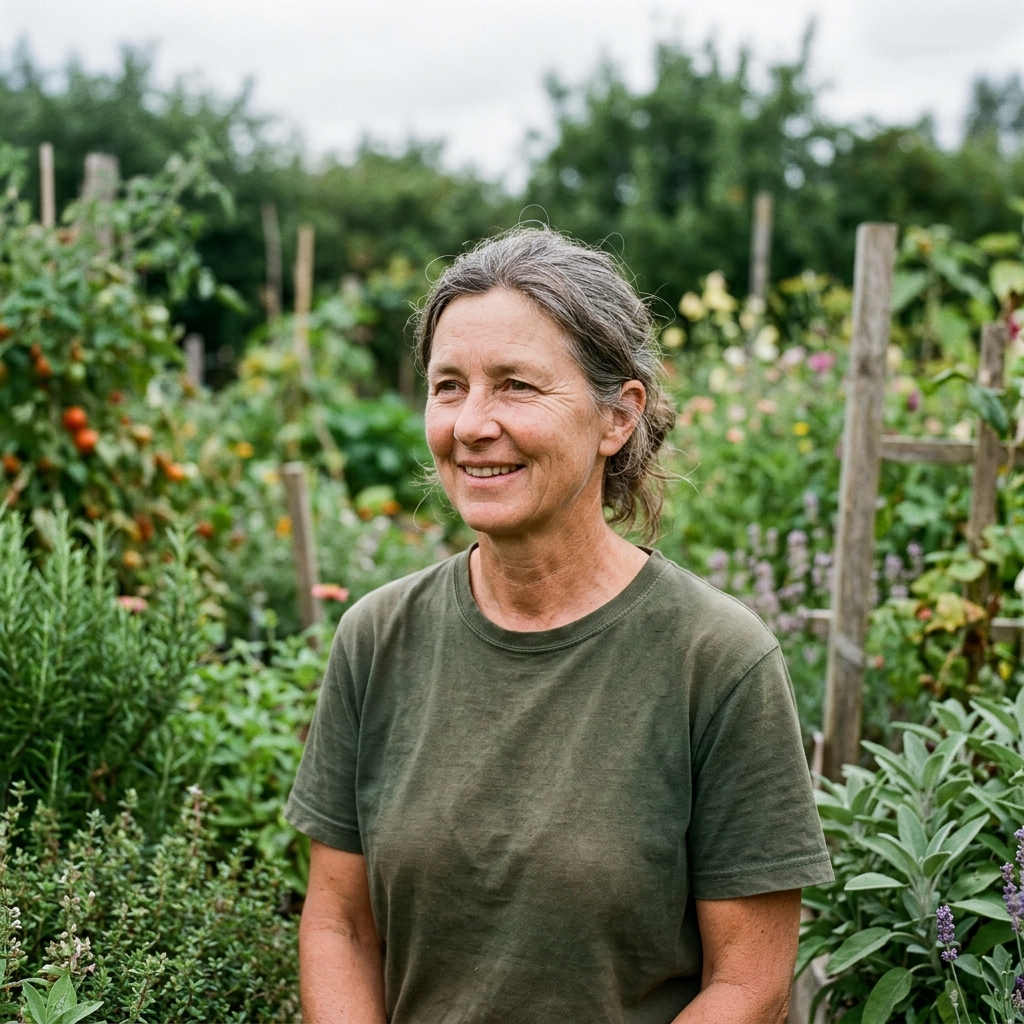
Researches medicinal plants, herbal wellness, and sustainable gardening practices. Through Herbal Daily Care, she helps readers discover the benefits of growing and using herbs at home.