

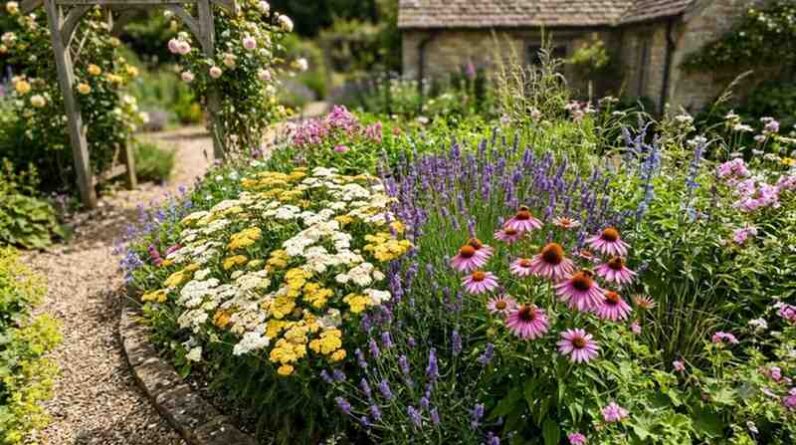
Yarrow rewards a warm, sunny bed with months of flat-topped blooms, but pair it with the wrong neighbor and one of you loses the fight for water, light, or root space. This guide covers what to plant with yarrow, what to avoid, and why the difference almost always comes down to growing conditions rather than luck. You’ll find companion picks grouped by purpose: pollinator support, drought-tolerant borders, and vegetable beds, plus a plain list of plants that don’t belong in the same bed. It’s written for beginner gardeners planning a new perennial border, and for anyone trying to rescue a yarrow patch that isn’t performing the way it should.
Quick Answer
Yarrow (Achillea millefolium) pairs best with drought-tolerant, full-sun perennials like lavender, salvia, coneflower, and rosemary that share its growing conditions and are drawn to the beneficial insects it attracts. Avoid moisture-loving or aggressive spreaders such as hydrangea, hosta, mint, and lemon balm, which compete for water, light, or root space.
What Is Yarrow, and Why Does It Matter for Companion Planting?
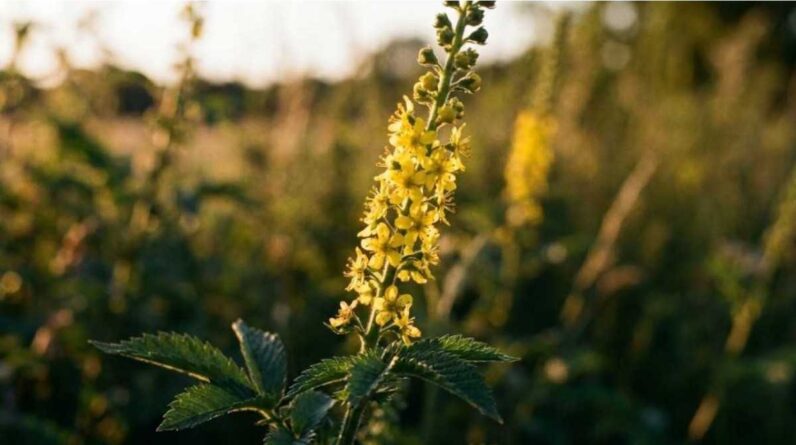
Yarrow is an herbaceous perennial in the daisy family, botanically known as Achillea millefolium and native to North America, Europe, and Asia. Ferny, aromatic foliage supports flat-topped clusters of tiny flowers that bloom from early summer into fall. Yarrow flowers come in a variety of colors. White yarrow and yellow yarrow are the two most common straight-species forms. Cultivated varieties in your garden can add red flowers, apricot, and shades that run from soft pink to deep wine. According to the North Carolina Extension Gardener Plant Toolbox, the plant typically grows 1 to 3 feet tall and wide, and it prefers well-drained soil, full sun, and poor, drought-prone conditions. For full planting, seed-starting, and harvest instructions beyond companion pairing, see our complete grow-from-seed guide.
Growing Conditions Yarrow Needs
Yarrow wants full sun, meaning at least 6 hours of direct sunlight a day, and lean, well-drained soil. Rich or constantly damp ground works against it. The Old Farmer’s Almanac points out that constantly wet or poorly drained soil can lead to root rot in yarrow, since the plant is built for hot, dry conditions. It grows across USDA hardiness zones 3 through 9, tolerates poor soil types, and needs little water once its strong root system is established.
What Yarrow Brings to a Companion Planting
A good companion plant for yarrow shares those same growing conditions: full sun, lean soil, and infrequent watering. Yarrow also attracts a wide range of beneficial insects and pollinators, including ladybugs, hoverflies, lacewings, and parasitic wasps, all of which prey on aphids and other common garden pests. That makes yarrow a genuinely useful neighbor for plants that struggle with pest pressure, not just a pretty backdrop.
Its roots help break up compacted soil and improve drainage over time. That’s part of why so many gardening tips recommend working yarrow into a new bed early, before slower-rooting perennials go in. Beyond the garden, yarrow’s foliage and flowers are also prized for their medicinal properties, which is a big part of why herb gardeners want it planted somewhere they can reach it easily. Once you’ve grown a patch worth harvesting, our guide to harvesting and drying it covers turning it into tea, tincture, and salve.
Best Companion Plants for Yarrow
The single best rule for pairing plants together is to choose plants with similar growing needs to yarrow’s own. Match sun, soil, and water requirements first, and the aesthetic pairing tends to fall into place on its own.
Pollinator and Beneficial-Insect Partners
Coneflower, salvia, and bee balm form a reliable pollinator trio for a yarrow border. All three bloom alongside yarrow from mid to late summer and draw butterflies and bees that benefit from its steady nectar supply. Bee balm spreads by rhizome much like yarrow does, so give it room rather than crowding the two together in a small bed.
Sage and other ornamental salvia varieties are an especially good companion because they share yarrow’s need for full sun and lean soil almost exactly. Salvia’s spiky flower form also gives a nice textural contrast to yarrow’s flat-topped clusters, a pairing several garden designers rely on for cottage garden and pollinator-focused beds. Black-eyed Susans and coneflowers planted nearby extend the same color and bloom-time logic into late summer.
Drought-Tolerant, Full-Sun Perennials
Lavender is probably the most recommended yarrow companion plant, and for good reason: both are drought-tolerant, deer and rabbit-resistant, and bloom in a similar window. Lavender’s aromatic foliage also helps mask yarrow’s scent from browsing deer, making it a wonderful companion plant for gardens with heavy deer pressure.
Ornamental grasses, daylily, and low, mounding succulents round out a drought-tolerant scheme of low-maintenance plants that ask for almost nothing once established. Daylily shares yarrow’s tolerance for lean soil and neglect, and its strappy foliage adds texture to the landscape without competing for the same root zone. Watch vigorous native grasses like switchgrass in leaner soil, though, since over a couple of seasons they can out-compete a yarrow patch.
Yarrow Companion Plants at a Glance
Here’s a fast comparison of the companion plants covered above, sorted by what each one brings to a yarrow planting.
| Plant | Growing Match | Main Benefit |
|---|---|---|
| Lavender | Full sun, drought-tolerant | Deer-resistant, similar bloom time |
| Coneflower | Full sun, lean soil | Attracts pollinators |
| Salvia / Sage | Full sun, lean soil | Textural contrast, low-maintenance |
| Bee Balm | Full sun, moderate water | Attracts pollinators, needs space |
| Daylily | Full sun, drought-tolerant | Fills gaps, low-maintenance |
| Rosemary | Full sun, well-drained soil | Aromatic pest deterrent |
Vegetables and Herbs That Pair Well With Yarrow
Vegetables
Yarrow’s reputation as a companion plant for vegetables is mixed, and it’s worth knowing why. Many gardeners plant yarrow near tomatoes and peppers because the beneficial insects it attracts help control aphids on the vegetables planted near it. Others point out that tomatoes, peppers, and zucchini are heavy feeders, and planting them too close to yarrow’s spreading root system can mean competing for the same nutrients.
The practical middle ground: keep yarrow at the edge of the vegetable bed rather than tucked in among heavy feeders. That way it’s close enough to draw in predatory insects, but far enough that it isn’t competing directly for soil nutrients.
Herbs
Rosemary, thyme, and oregano make especially good companion herbs for yarrow because they want the same thing yarrow does: full sun, well-drained soil, and minimal water. Low, creeping thyme or oregano planted in front of yarrow also works well as a border, softening the taller foliage behind it. Rosemary in particular is a great companion for yarrow along a garden path, where its aromatic foliage does double duty as a light pest deterrent.
Chamomile is another herb that pairs naturally with yarrow. Both are easy to grow, both attract pollinators, and both prefer similar soil types. If you already grow chamomile, our guide to growing chamomile at home covers the same full-sun, well-drained setup yarrow needs. The two slot into a bed together with almost no adjustment.
Designing a Garden Bed Around Yarrow
Because yarrow is native to open meadows and disturbed ground, it fits naturally into a wildflower meadow planting. Native grasses, coneflowers, and other native plant species expect the same lean, sunny conditions. That easy, informal habit also makes yarrow a strong fit for cottage garden design. Flat-topped clusters and spiky salvia blooms create the layered, slightly wild look cottage gardens are known for.
If you’d rather keep things tidy, group yarrow toward the front or middle of a border. Its lower foliage won’t be swallowed by taller companions there. Prune it back hard after the first flush of bloom, too. That keeps the clump compact and often triggers a second round of flowers later in the season.
What Not to Plant With Yarrow (and Why)
Moisture-Loving, Shade-Tolerant Plants
Hydrangea and hosta are two of the most common mismatches. Both want consistent moisture and at least some afternoon shade, which is the opposite of what yarrow needs to thrive. Coral bells and hosta together make an attractive shade planting on their own, but neither belongs next to a plant that wants to dry out between waterings.
Aggressive Spreaders
Mint and lemon balm spread by rhizome even more aggressively than yarrow does, and in a shared bed they’ll eventually crowd it out. If you already grow lemon balm, keep it contained. Our guide on how to grow lemon balm at home covers pot and root-barrier options. The same containment tricks work well if you want to keep it away from a yarrow border.
Fennel and Other Difficult Neighbors
Fennel is worth avoiding near yarrow; it releases compounds into the soil that can stunt the growth of nearby plants, a trait gardeners call allelopathy. Roses are more of a case-by-case pairing. They can look striking together, but rose fertilizer is rich enough to make yarrow grow lush and floppy, so keep the feeding programs separate even if the plants share a bed.
How to Plant Yarrow Alongside Companions
Getting the pairing right starts with the planting process itself, not just plant selection.
- Pick a full-sun spot. Yarrow needs at least 6 hours of direct sunlight a day; anything less and both it and most of its companions will bloom poorly.
- Check the drainage. If water pools in the spot an hour after rain, work in coarse sand or grit before planting, or choose a raised bed instead.
- Space plants generously. Give yarrow about 18 inches of room in each direction so its root system doesn’t crowd whatever you plant beside it.
- Water new plantings, then back off. Water regularly for the first few weeks, then taper down once plants are established. Overwatering is the most common way to lose yarrow.
- Deadhead spent flowers to encourage a longer bloom window and to keep yarrow from self-seeding into areas you didn’t plan for.
Frequently Asked Questions
What grows well next to yarrow? Drought-tolerant, full-sun plants that share yarrow’s growing conditions do best. Lavender, coneflower, salvia, rosemary, and daylily are reliable choices for beginner gardeners because they need the same light and water yarrow does, not because of any special chemical interaction between the plants.
What should you not plant next to yarrow? Avoid moisture-loving or shade-tolerant plants like hydrangea and hosta, and keep aggressive spreaders such as mint and lemon balm well away. Fennel is also worth skipping nearby, since it can release compounds that slow the growth of neighboring plants.
Does yarrow attract pollinators and beneficial insects? Yes. Yarrow’s flat-topped flower clusters draw bees, butterflies, and predatory insects like ladybugs, hoverflies, and lacewings, which feed on aphids and other pests. That makes it a genuinely useful plant to grow near vegetables and other perennials that struggle with pest pressure.
Can yarrow be planted with vegetables? It can, especially at the edge of a vegetable bed, where it attracts beneficial insects without competing directly with heavy feeders like tomatoes and peppers for soil nutrients. Give it its own strip of space rather than tucking it in among crowded rows.
Is yarrow invasive, and will it take over the bed? Yarrow spreads by rhizome and self-seeding, and it can turn weedy if left unchecked, though it isn’t classified as invasive in most regions. Deadheading spent blooms and dividing the clump every couple of years keeps it in bounds.
Yarrow is one of the easiest perennials to pair well, once you match it to plants that want the same full sun, lean soil, and light water it does. Lavender, coneflower, salvia, and rosemary are safe starting points; hydrangea, hosta, mint, and fennel are the ones to keep elsewhere in the yard. If you’re building out a low-maintenance, pollinator-friendly bed from scratch, start with our guide to the best herbs to start with. It has more beginner-friendly picks that share yarrow’s easygoing nature. And once your yarrow patch is established, it’s worth brewing a cup — our yarrow tea guide covers what it’s good for and how to make it.
Disclaimer: This article is for educational purposes only and is not intended as medical advice. Always consult a qualified healthcare professional before using medicinal herbs, especially if you are pregnant, nursing, taking medications, or have a medical condition. Read our full Medical Disclaimer.
References
- North Carolina Extension Gardener Plant Toolbox, “Achillea millefolium” → https://plants.ces.ncsu.edu/plants/achillea-millefolium/
- The Old Farmer’s Almanac, “Grow Yarrow (Achillea millefolium)” → https://www.almanac.com/plant/yarrow
- USDA NRCS, “Common Yarrow (Achillea millefolium L.) Plant Guide” → https://www.nrcs.usda.gov/plantmaterials/mtpmcpg13974.pdf

Written by cskoch, who researches medicinal plants and herbal wellness at Herbal Daily Care. This guide is research-based: we reviewed published trials, meta-analyses, and the manufacturer’s own sales page. We did not purchase or test the product, and we do not claim first-hand results.